
Tools
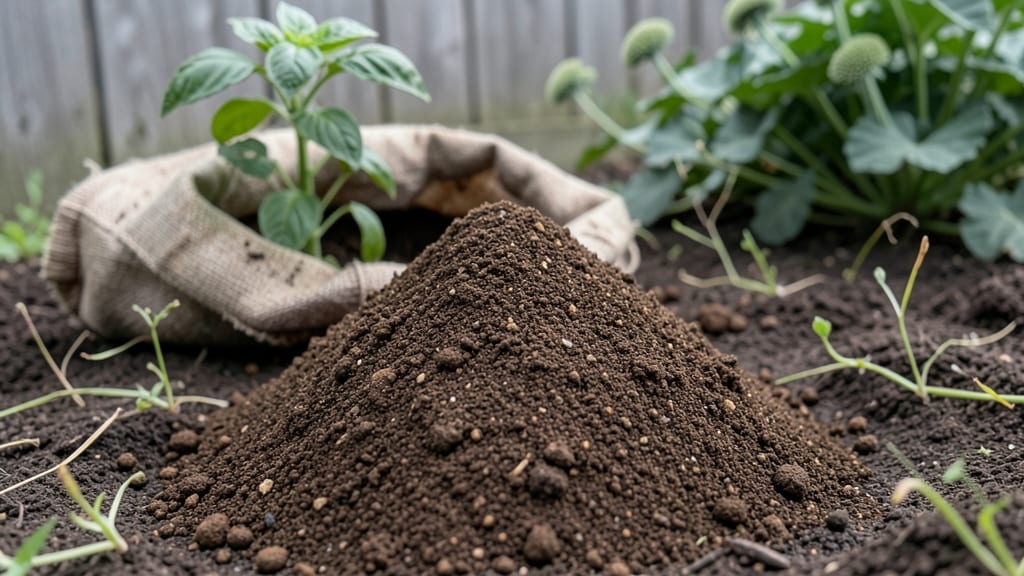
Using garden bed sealant creates a protective barrier that locks in moisture, blocks weeds, and enhances soil structure—ideal for maintaining healthy garden beds. Apply it after planting in late spring or early summer, avoiding rainy periods, and select between organic or synthetic options based on your garden's specific needs.
Garden bed sealants work by mimicking nature's own protective layers, like fallen leaves or mulch, but with more precision. 🌱 Organic options like straw or wood chips break down over time, enriching the soil with nutrients, while synthetic alternatives such as landscape fabric provide long-term weed suppression and moisture control.
The key is matching your sealant to your garden's goals—whether you prioritize soil health, drought resistance, or ease of maintenance.
For vegetable gardens, I recommend organic sealants like compost or natural rubber mats, which improve fertility as they decompose. Meanwhile, synthetic options such as polyacrylamide gels excel in drought-prone areas by reducing evaporation. Always test a small section first to ensure compatibility with your soil type and plants.
💡 In This Article
- How Garden Bed Sealants Improve Soil Health
- Best Organic and Synthetic Sealants for Different Gardens
How garden bed sealants improve soil health
Garden bed sealants work by creating a physical barrier that mimics natural processes like leaf litter or mulch accumulation. This barrier reduces water evaporation by up to 70% by slowing air movement near the soil surface, a process called "hydraulic resistance."
For example, a 2-inch layer of straw mulch can maintain soil moisture for 2-3 weeks longer than unprotected soil during dry spells. The sealant's texture—whether coarse like wood chips or smooth like plastic—directly affects how effectively it traps moisture and blocks sunlight, which weeds need to germinate.
The weed suppression mechanism relies on blocking 90-95% of sunlight from reaching the soil, a critical factor since most weeds require light to sprout. Organic sealants like cardboard or newspaper break down over time, while synthetic options such as landscape fabric remain intact for years.
Temperature regulation is another key benefit: sealants can keep soil 5-10°F cooler in summer and 5°F warmer in winter, protecting plant roots from extreme fluctuations. This is particularly valuable in climates with hotter-than-average summers>, where soil temperatures can exceed 95°F>, stressing delicate plants.
Long-term soil benefits include reduced erosion from rainfall or wind, as the sealant cushions the impact. Organic materials also decompose into humus, improving soil structure over time—studies show a 15-20% increase in soil organic matter> after 2 years> of using compost-based sealants.
However, synthetic options like black plastic sheets> can actually raise soil temperatures too high if left in place for extended periods, potentially harming beneficial microbes. The choice between organic and synthetic depends on your priorities: organic for fertility, synthetic for durability.
Consider this comparison: Straw mulch> (organic) costs $0.10 per square foot> but requires annual replenishment, while landscape fabric> (synthetic) costs $0.30 per square foot> but lasts 5-7 years>.
For vegetable gardens, organic sealants are ideal because they add nutrients, whereas synthetic options work better in ornamental beds where longevity matters more. The texture also varies—organic sealants feel rough and natural, while synthetic options provide a smooth, uniform surface that's easier to clean.
What most gardeners overlook is how sealants affect soil aeration. While they reduce evaporation, they can also limit oxygen flow to roots if applied too thickly. A 1-2 inch layer> is ideal for most plants, but root crops like carrots may need thinner coverage.
The key is balance: enough to protect moisture and suppress weeds, but not so much that it smothers your plants. For container gardens, lighter organic sealants like coconut coir> work best, as they decompose without compacting the soil.
Pro tip: If you're using organic sealants, top them with a light layer of compost> every 3-4 months> to maintain their effectiveness. For synthetic options, cut X-shaped slits> in the fabric when planting to prevent root restriction.
The right sealant transforms your garden from a high-maintenance chore into a self-sustaining ecosystem—where the soil stays moist, weeds stay out, and your plants thrive with minimal effort. 🌱