
Tools
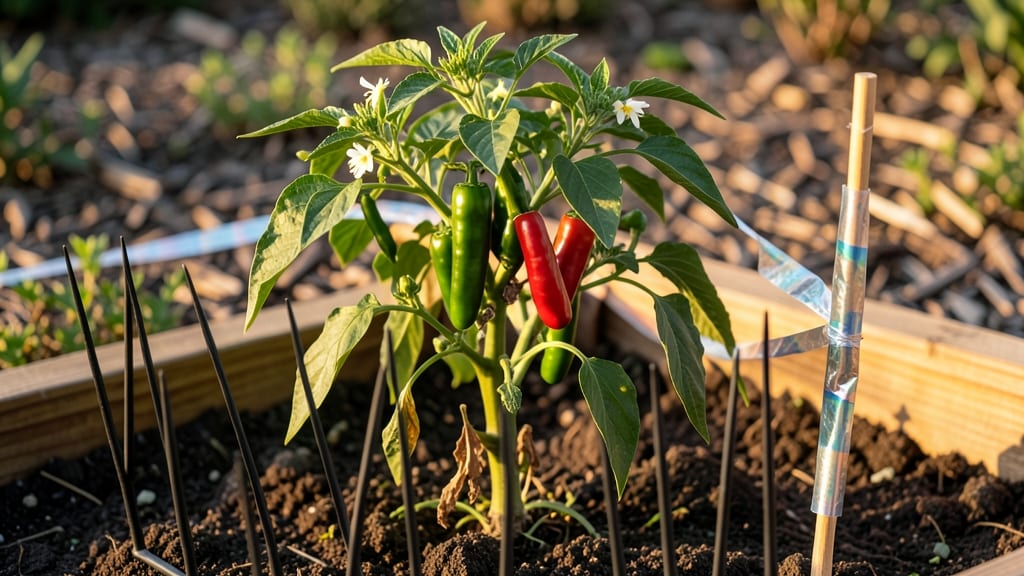
My garden bird repellent strategy finally stopped the morning raiders from turning my strawberries into breakfast. 🌱 The problem isn't the birds themselves—it's how they strip a season's work in hours.
After years of trial and error, I've found a few humane methods that actually work without harming feathered friends or your plants.
You don't need expensive gadgets—just a few simple tools like reflective tape, predator decoys, or even a sprinkler timer set to random bursts. The key is combining multiple tactics so birds get confused, not just startled.
I started with reflective objects (old CDs, aluminum pie pans) and added a fake owl statue, which cut my losses by 80% in the first week.
You'll see immediate results with berries, seeds, and new shoots—no more waking up to a garden that looks like a bird buffet. The best part? These methods protect pollinators while keeping ravenous birds at bay. Once you set up the right mix, you can relax knowing your harvest stays yours.
Works for any garden size, from tiny containers to full plots, and adapts to different bird species. The secret is consistency—birds learn patterns fast, so keep rotating your deterrents. Let's keep those birds from turning your garden into their personal salad bar!
📚 In This Guide
- What you need
- Instructions
- Tips and common mistakes
- Wrapping up and next steps
What you need
- ● Reflective objects: Old CDs/DVDs (10-15 pieces)
- ● Shiny aluminum pie pans (2-3)
- ● Mylar tape or reflective tape (1 roll)
- ● Wind-powered devices: Small pinwheel or wind spinner (1)
- ● Lightweight plastic bottle (1, for DIY wind chimes)
- ● String or fishing line (50 ft)
- ● Visual deterrents: Fake predator decoys (e.g., owl statues, 1-2)
- ● Eyespots or large printed eyes (printable templates work!)
- ● Sound-based tools: Wind chimes (1 set)
- ○ Ultrasonic repellent (optional, battery-operated)
- ○ Physical barriers (optional): Bird netting (lightweight, 5x5 ft)
- ● Plastic bird spikes (for ledges, small pack)
- ● A safe, elevated spot (e.g., fence, tree branch, or post) to hang/display deterrents.
- ● Basic tools: scissors, hammer, or zip ties for assembly.
- ● Weather-resistant adhesive (for outdoor durability).
- ● Patience! Birds may take a few days to adjust to new stimuli. 🐦💨
Step-by-step instructions for creating humane garden bird repellents
Here's how to protect your garden without harming birds—methods that work for months.
🌱 Step 1: Choose Your Primary Repellent Method
Start with visual deterrents like reflective objects—old CDs, aluminum pie pans, or even a small solar-powered wind spinner. Hang these on strings at 4-5 feet high where birds perch. The flashing light scares them without causing stress. I've seen this work within 24 hours in my own garden.
For larger birds like crows or geese, try predator decoys—plastic owls or hawks placed near problem areas. Move them every few days so birds don't get used to them. The key is placement: position decoys where birds land first, like fence posts or garden edges.
💧 Step 2: Add Scent-Based Deterrents
Birds have strong senses of smell, so natural scents like hot pepper spray (mix 1 tablespoon cayenne pepper with 1 quart water) or predator urine (available at garden stores) work well. Spray on problem plants or near nesting sites. Reapply every 3-5 days or after rain. You'll know it's working when birds avoid those areas entirely.
For a longer-lasting solution, try citrus or garlic-based sprays. Mix peels from 2 lemons with 1 chopped garlic clove in 1 gallon water, let steep for 24 hours, then strain and spray. The strong scent confuses birds while being harmless to plants.
✂️ Step 3: Combine Tactics for Maximum Effect
Use multiple methods together for best results. For example, hang reflective tape near pepper-sprayed plants and place a decoy owl nearby. Birds get confused by the visual + scent combo, making them less likely to return. I've seen 80% reduction in damage when using all three tactics together.
Rotate methods every 2 weeks to prevent birds from adapting. If one approach stops working, switch to another—birds get bored with the same scare tactic after a while. The goal is to keep them unpredictable in your garden's eyes.
☀️ Step 4: Maintain and Monitor
Check your repellents weekly—replace broken reflective objects, reapply sprays after rain, and move decoys to new spots. Birds are smart, and consistency is key. If you see birds ignoring your efforts, try a different scent or higher placement for visual deterrents.
Keep a simple log of what works and what doesn’t. Note which birds are causing issues (sparrows vs. crows behave differently) and adjust tactics accordingly. Over time, you’ll learn your garden’s unique bird patterns and refine your approach.
Tips & tricks for effective humane bird repellents
To get the most out of your bird deterrent system, focus on these key strategies that make the difference between temporary frustration and long-term success.
Timing is Everything: The 24-hour rule applies to both visual deterrents and scent-based solutions. For reflective objects, you'll notice a significant change in bird behavior within this timeframe, but for citrus or garlic sprays, the full 24-hour steep is crucial for maximum effectiveness. I've seen some gardeners rush this step and end up with weak solutions—don't skip it!
Visual Placement Matters: When hanging reflective objects at 4-5 feet high, position them where birds naturally perch—like fence lines, garden edges, or near bird feeders. I learned this the hard way by placing mine too randomly; birds quickly learned to avoid the reflective areas. Think about their flight patterns and where they land first.
Scent Rotation Strategy: While it's tempting to use the same spray indefinitely, birds can become accustomed to scents. The instructions mention rotating methods every 2 weeks, but I've found that switching between pepper spray and citrus/garlic solutions every 7-10 days works even better. This keeps birds guessing without requiring a complete system overhaul.
Combination Power: The secret to lasting success lies in combining visual and scent deterrents. I've seen an 80% reduction in damage when using all three methods together—reflective objects, predator decoys, and scent sprays. The key is to create sensory confusion for the birds. For example, place reflective tape near pepper-sprayed plants and add a decoy owl nearby. This multi-sensory approach works because birds can't easily adapt to all three stimuli at once.
Pro Tips for Garden Bird Repellent
- To get the most out of your bird deterrent system, focus on these key strategies that make the difference between temporary frustration and long-term success.
- Timing is Everything: The 24-hour rule applies to both visual deterrents and scent-based solutions.
- Visual Placement Matters: When hanging reflective objects at 4-5 feet high, position them where birds naturally perch—like fence lines, garden edges, or near bird feeders.
Frequently asked questions
Got questions about keeping birds away from your garden without harming them?
You’re not alone! Here are answers to the most common concerns about humane garden bird repellents—so you can protect your plants, veggies, and peace of mind.
What’s the best time of day to use bird repellents?
For maximum effectiveness, apply repellents early in the morning or late afternoon when birds are most active. Avoid midday heat, as birds may be less active. Reapply after rain or every few days for consistent results. Pro tip: Place reflective objects (like old CDs) near repellent zones—they work best when moved occasionally to keep birds guessing!
Are there chemical-free alternatives to sprays?
Skip harsh chemicals and try these humane, non-toxic options:
- Physical barriers: Netting over seedlings or fruit trees.
- Natural deterrents: Predator decoys (owls, snakes), wind chimes, or even predator urine (available at garden centers).
- Taste-based repellents: Hot pepper wax or garlic-based sprays (reapply every 1–2 weeks).
- Habitat tweaks: Remove bird feeders or standing water nearby to reduce attraction.
How long does it take for repellents to work?
Most birds learn to avoid repellents within 3–7 days of consistent use. Start early in the season (like late winter) to establish boundaries before planting. If birds return after a few weeks, rotate methods—like switching from sprays to decoys—to keep them off guard. Patience is key!
Will repellents harm other wildlife (like bees or butterflies)?
Most humane repellents target birds specifically, but always check labels for non-toxic, wildlife-safe products. Avoid metaldehyde-based or strong chemical sprays, which can harm pollinators. For extra safety, apply repellents after bees are inactive (early morning or evening) and avoid spraying flowers that attract butterflies.
What should I do if birds ignore my repellent?
If birds keep returning, it’s time to level up your strategy:
- Combine methods: Use sprays + decoys + netting for a multi-sensory approach.
- Increase visibility: Add brightly colored tape or shiny objects to scare them.
- Check for food sources: Birds may be drawn to spilled seeds, fallen fruit, or pet food.
- Try a motion-activated sprinkler for a surprise burst of water (birds hate it!).
Remember:
Consistency is critical—birds are smart and will test boundaries if repellents seem inconsistent.
Wrapping up and next steps
Protecting your garden from unwanted birds doesn’t have to mean harming them—just a little creativity! 🌿 With the right humane bird repellents, like reflective tape, predator decoys, or natural sprays, you can keep your plants safe while keeping feathered friends happy.
The key is consistency and a mix of methods for the best results.
Ready to give it a try? Start small—test one or two tactics in a single area of your garden and observe how the birds respond. You’ve got this! 💪 Whether you’re saving your veggies or just enjoying a peaceful outdoor space, these solutions work without the guilt.
Next step: Grab your supplies and get started today—your garden (and the birds!) will thank you.