
Tools
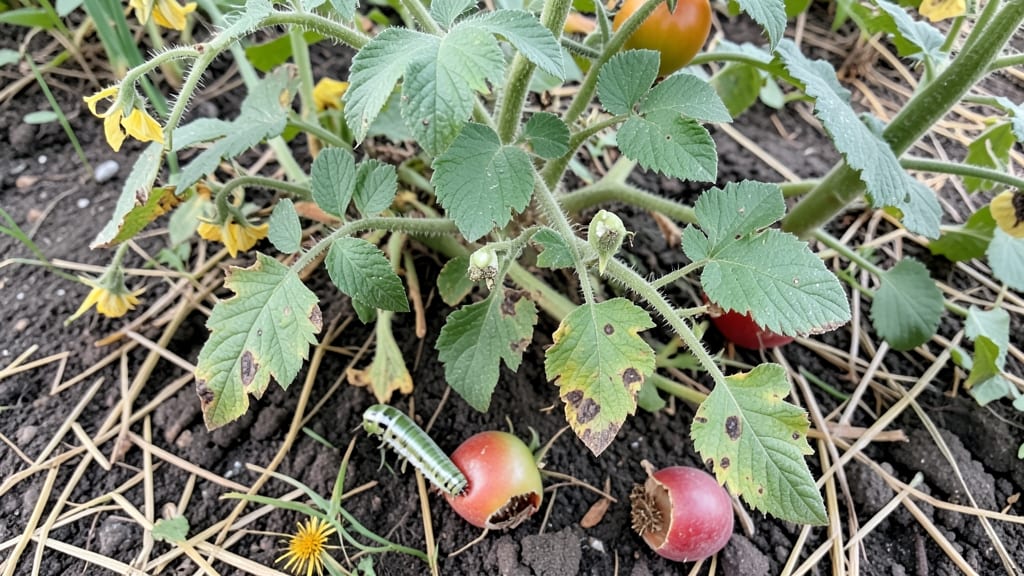
Garden tomato problems like blossom end rot and cracked fruit can turn a promising harvest into a frustrating mess—especially when you're just days away from slicing up fresh summer tomatoes.
I’ve lost count of the seasons I’ve watched my plants produce beautiful blossoms only to see them drop or split open before ripening. The good news? These issues have simple fixes that work fast, often in just a few days.
Blossom end rot shows up as dark, sunken spots on the bottom of tomatoes, while cracked fruit splits open like tiny rivers when soil moisture swings wildly.
Both problems stem from calcium imbalances or inconsistent watering, but the solutions are straightforward: adjust your watering routine, add crushed eggshells or calcium-rich fertilizer, and keep soil evenly moist. No fancy tools or expensive products—just a little attention to what your plants actually need.
By the end of this, you’ll have tomatoes that look plump and perfect, not scarred or split. The key is catching these issues early and acting fast—once you see the first signs, it’s a race against time, but one you can absolutely win.
Let’s get those tomatoes back on track before your next harvest.
These fixes work for container-grown tomatoes just as well as in-ground plants, and they’re perfect for gardeners who want to avoid chemicals. Whether you’re dealing with a single plant or a full row, the same principles apply—no matter your setup or experience level.
Root Causes of Tomato Troubles
When your garden tomatoes start showing signs of distress—like blossom end rot or cracked fruit—it’s rarely just bad luck. These issues stem from specific environmental, nutritional, or cultural factors that disrupt the plant’s growth cycle.
Understanding why these problems occur is the first step to fixing them. Below, we break down the science behind the most common tomato woes and what triggers them.
Blossom end rot is the poster child of calcium-related issues, but it’s not always about a lack of calcium in the soil. Instead, it’s usually a water uptake problem that prevents the plant from absorbing enough calcium to support fruit development.
- Fluctuating Moisture Levels: Tomatoes need consistent watering—especially during fruit set (when flowers turn into tomatoes). Sudden drought followed by heavy watering causes cells to expand rapidly, leading to calcium deficiency in the youngest fruit (the blossom end).
- Competition for Nutrients: If the plant is overloaded with nitrogen (common in fast-growing foliage), it prioritizes leaf growth over fruit development, starving young tomatoes of calcium.
- Root Stress: Compacted soil, poor drainage, or root damage (from overwatering or pests) limits the plant’s ability to absorb calcium, even if it’s present in the soil.
Pro Tip: 💡 Calcium isn’t mobile in plants—meaning once it’s needed in the fruit, the plant can’t redirect it from leaves. That’s why prevention (consistent watering, mulching, and balanced fertilization) is key!
Tomatoes are sensitive to extreme conditions, and sudden changes—whether hot, cold, or dry—can cause cracked fruit or stunted growth. Here’s how the environment plays a role:
- Temperature Swings:
- Cold nights (<50°F/10°C) slow calcium absorption, mimicking a deficiency.
- Heat waves (>90°F/32°C) cause rapid cell expansion, leading to splitting in the fruit’s skin.
- Inconsistent Rainfall or Irrigation: Uneven watering leads to osmotic stress, where fruit absorbs water too quickly, bursting cells and causing cracks.
- High Humidity + Fungal Pressure: While not a direct cause of rot or cracks, humidity combined with poor air circulation creates conditions for Phytophthora (a soil-borne pathogen) to thrive, weakening roots and indirectly causing nutrient uptake issues.
Pro Tip: 🌡️ Mulch your tomatoes to stabilize soil temperature and moisture. Organic mulch (like straw) also slowly releases calcium as it breaks down.
A tomato plant’s health hinges on soil chemistry. If the soil is too acidic, alkaline, or lacking key nutrients, the plant can’t function properly, leading to visible problems.
| Problem | Root Cause | Signs in Tomatoes |
|---|---|---|
| Low Calcium | pH <4.5 or >7.5, compacted soil, or high potassium/sodium | Blossom end rot, weak cell walls, stunted growth |
| Magnesium Deficiency | High nitrogen or acidic soil leaches magnesium | Yellowing between leaf veins (interveinal chlorosis) |
| Potassium Excess | Over-fertilization with potassium-rich amendments | Competes with calcium uptake, worsening rot |
Pro Tip: 🔥 Test your soil before planting! Ideal pH for tomatoes is 6.0–6.8. If your soil is off, amend with lime (to raise pH) or sulfur (to lower it) 3–4 months before planting.
Sometimes, the problem isn’t chemical—it’s physical stress from pests, disease, or improper handling.
- Pest Damage:
- Root-knot nematodes or cutworms weaken roots, reducing water/calcium uptake.
- Fruitworms or birds can physically damage developing tomatoes, creating entry points for rot.
- Over-Pruning or Rough Handling: Aggressive pruning near fruit or bruising tomatoes during harvest can trigger secondary infections or stress cracks.
- Transplant Shock: Moving mature plants disrupts their root systems, causing temporary nutrient deficiencies until they recover.
Pro Tip: ✨ Inspect plants weekly for pests (especially aphids and spider mites) and remove damaged fruit immediately to prevent spread.
Quick Fixes for Common Tomato Troubles
Now that you know the root causes behind your garden tomato woes—like blossom end rot, cracked fruit, or stunted growth—it’s time to roll up your sleeves and get those plants back on track! 🍅✨ The good news?
Most issues have simple, effective solutions that don’t require a degree in horticulture. Below, we’ve broken down practical fixes for each problem, plus prevention tips to keep your tomatoes thriving all season long.
Cause: Calcium deficiency (often due to uneven watering or poor soil conditions). Fix: Act fast—this issue won’t heal itself, but you can salvage future fruit!
1. Prune the Affected Fruit (🔪)
- Snip off severely rotted tomatoes at the stem to prevent the rot from spreading to healthy fruit.
- Focus on keeping young, firm tomatoes on the vine—they’re more likely to recover.
2.
Boost Calcium Levels (💡) - Spray leaves with a calcium solution (1 tbsp calcium chloride or crushed eggshells per gallon of water) every 7–10 days. - Side-dress plants with crushed eggshells or bone meal (rich in calcium) around the base—avoid direct contact with stems to prevent rot. - Use a balanced fertilizer (like 10-10-10) lightly—too much nitrogen can worsen the problem.
3. Fix Your Watering Routine (💧)
- Water deeply and consistently—1–2 inches per week—to keep soil moisture even.
- Mulch heavily (with straw or grass clippings) to retain moisture and prevent calcium uptake fluctuations.
- Water in the morning to reduce evaporation and stress.
4. Prevent Future Outbreaks (🛡️)
- Test your soil (pH should be 6.0–6.8)—calcium absorbs best in slightly acidic soil.
- Avoid over-fertilizing with nitrogen—it competes with calcium uptake.
- Choose calcium-rich amendments like gypsum or lime if your soil is deficient.
Cause: Rapid water uptake (from inconsistent watering) or genetic predisposition in some varieties. Fix: While cracked tomatoes are still edible (just trim the cracks!), you can minimize future cracking with these steps.
1.
Water Like a Pro (👨🍳) - Keep soil evenly moist—never let it dry out completely, then get drenched. - Use drip irrigation or soaker hoses to deliver water slowly and directly to the roots. - Avoid overhead watering (especially in the evening), which can cause sudden swelling.
2. Mulch to Lock in Moisture (🌱)
- Apply 2–3 inches of organic mulch (straw, wood chips, or grass clippings) to regulate soil temperature and moisture.
- Replenish mulch as it breaks down to maintain protection.
3. Pick Tomatoes at Peak Ripeness (🍅)
- Harvest firm, slightly green tomatoes if cracking is severe—let them ripen indoors.
- Choose crack-resistant varieties like ‘Celebrity,’ ‘Mountain Merit,’ or ‘Roma’ for future plantings.
4. Adjust Fertilizer Use (💥)
- Reduce high-nitrogen fertilizers—they encourage rapid growth, which can lead to cracking.
- Switch to a balanced or low-nitrogen fertilizer (like 5-10-10) to promote steady, healthy growth.
Cause: Poor soil, nutrient deficiencies, pests, or disease. Fix: Diagnose the exact issue (check leaves for spots, wilting, or pests), then take action!
1.
Test and Amend Your Soil (📊) - Conduct a soil test (available through local extension offices) to check for nitrogen, phosphorus, potassium, and pH imbalances. - Add compost or well-rotted manure to improve soil structure and nutrient availability. - Fix pH issues—tomatoes thrive in slightly acidic soil (6.0–6.8).
Add lime to raise pH or sulfur to lower it.
2. Fertilize Smartly (💪)
- Use a balanced fertilizer (like 10-10-10) every 3–4 weeks after planting.
- Avoid over-fertilizing—too much salt can burn roots and worsen problems.
- Try foliar feeding with fish emulsion or seaweed extract for a quick nutrient boost.
3.
Combat Pests and Diseases (🛡️) - Spray neem oil or insecticidal soap for aphids, whiteflies, or spider mites (common culprits for stunted growth). - Remove and destroy infected leaves (especially with early blight or septoria leaf spot). - Rotate crops next season to prevent soil-borne diseases from recurring.
4. Improve Growing Conditions (☀️)
- Ensure 6–8 hours of sunlight daily—tomatoes are sun-worshippers!
- Prune suckers and lower leaves to improve airflow and reduce humidity (which spreads disease).
- Use cages or stakes to support plants and prevent blossom end rot (from uneven water uptake).
- 💡 Plant deep—bury stems up to the first few leaves to encourage strong root growth.
- 🌡️ Avoid cold snaps—tomatoes need warm soil (60°F+) to thrive; use row covers if needed.
- ✨ Harvest regularly—picking ripe tomatoes encourages more production!
- 🎯 Choose disease-resistant varieties (look for labels like VFN for verticillium, fusarium, and nematode resistance).
With these quick fixes and prevention strategies, your garden tomatoes should bounce back stronger than ever—ready to deliver a bountiful, crack-free, rot-resistant harvest! 🍅🔥 Whether you’re dealing with blossom end rot, cracked fruit, or stunted plants, taking action now will set you up for tomato success all season long.
Frequently asked questions
Why do my tomatoes develop dark spots at the bottom?
Those dark, sunken spots are blossom end rot, caused by calcium deficiency from uneven watering or poor soil conditions. The issue starts when young fruit can't absorb enough calcium during rapid growth. Fix it by improving water consistency and adding crushed eggshells or calcium-rich fertilizer around the base.
Can I still eat tomatoes with cracks?
Yes! Cracked tomatoes are perfectly safe to eat—just trim away the affected areas. The cracks appear from sudden moisture changes or genetic traits in some varieties. To prevent future cracking, maintain even soil moisture and avoid heavy watering after dry spells.
What's the best way to prevent tomato problems before they start?
Focus on three key practices: consistent watering (1-2 inches per week), mulching (2-3 inches of organic material), and soil testing (aim for pH 6.0-6.8). Also choose disease-resistant varieties and avoid over-fertilizing with nitrogen. These simple steps create ideal growing conditions that prevent most common issues.
How quickly will my tomato plants recover from blossom end rot?
Existing affected fruit won't recover, but new growth will improve within 7-10 days if you adjust watering and add calcium. Remove severely rotted tomatoes immediately to prevent spread. The key is maintaining consistent moisture and proper nutrition moving forward.
Are there any tomato varieties less prone to these problems?
Look for crack-resistant varieties like 'Mountain Merit' or 'Celebrity', and blossom end rot-resistant types like 'Big Beef' or 'Better Boy'. Dwarf varieties often handle environmental stress better too. Always check seed packets for disease resistance codes like VFN (verticillium, fusarium, nematode resistant).