
Tools
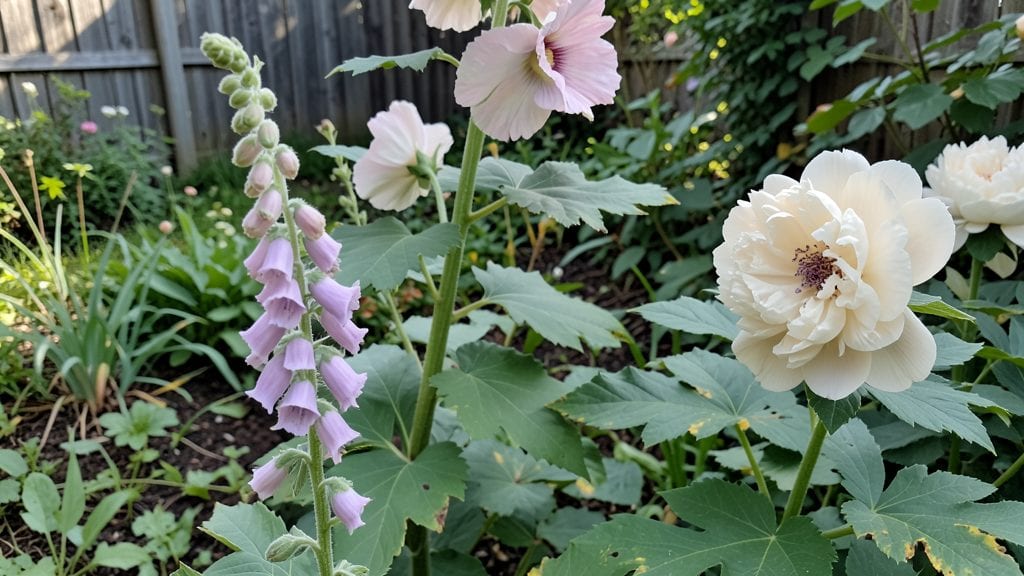
English garden pictures always make me smile—those overflowing borders of roses, lavender, and peonies spilling over stone paths like a living watercolor. 🌸 The secret isn’t just the plants, though; it’s how they’re arranged: loose, romantic clusters instead of rigid rows, with climbing vines weaving through arches and cottage-style trellises.
My first attempt at this style started with a single rambling rose and a handful of perennials, but it quickly became the heart of my backyard.
The key to recreating this look lies in layered planting—tall plants at the back, medium-height in the middle, and low growers like thyme or ajuga spilling forward.
Use soft, earthy colors like sage green, blush pink, and lavender purple, but don’t shy away from bold pops of red or yellow roses to anchor the scene.
Even small spaces can work: a 6-foot-wide border along a fence or a container arrangement on a patio can capture the same dreamy charm.
What you’ll love most is how these gardens feel alive—like stepping into a storybook. The fragrance of roses in the evening, the way lavender attracts bees, and the way peonies flop dramatically (but beautifully) onto the path.
It’s not about perfection; it’s about textured abundance and letting plants do their thing. Start with a few signature varieties, and let the rest unfold naturally.
For those eager to dive in, begin with roses, lavender, and peonies as your foundation—they’re the stars of any English garden. Pair them with climbing clematis for vertical interest and delphiniums for height.
And remember: the more you let plants mingle, the more magical it gets. Here’s how to bring that whimsy to life in your own space.
📚 In This Guide
- What you need
- Instructions
- Tips and common mistakes
- Wrapping up and next steps
What you need
- ● Fresh flowers: Choose a mix of classic English garden favorites like roses, peonies, hydrangeas, delphiniums, lavender, and foxgloves (3-5 stems per type for a balanced look).
- ● Greenery: Eucalyptus, baby’s breath, ferns, or ivy (2-3 bunches to fill gaps and add texture).
- ○ Dried flowers (optional): Dried lavender, straw flowers, or pampas grass (small handfuls for rustic accents).
- ● Floral foam or chicken wire: For structure (1-2 blocks of foam or a pre-shaped wire frame).
- ● Ribbon or twine: Neutral tones like cream, sage, or blush (1-2 yards for tying stems).
- ● Scissors or floral shears: Sharp and clean (1 pair, not kitchen scissors!).
- ● Containers: Vases, pots, or hanging baskets (varying heights for dimension).
- ● Watering can or spray bottle: To keep flowers hydrated (especially for dried arrangements).
- ● Floral tape or wire: For securing stems (small rolls or pre-cut pieces).
- ● Newspaper or drop cloth: To protect surfaces while arranging (1-2 sheets).
- ● Bucket of water: For trimming stems and refreshing cuts.
- ○ Optional extras: Chalkboard paint or markers (to label arrangements).
- ● Glitter or metallic leaf confetti (for a magical touch).
- ● Small figurines (like ceramic toads or butterflies) for whimsy.
How to create whimsical English garden floral arrangements
Transform your outdoor space with soft, romantic blooms and lush textures—here’s how to craft arrangements that feel like stepping into a storybook.
🌿 Step 1: Gather a Variety of Soft, Romantic Blooms
English garden arrangements thrive on layers of texture and color. Reach for peony, roses, delphinium, and lavender as your base flowers—their full, rounded shapes create a dreamy, voluminous look. Add daisies and foxgloves for height and delicate movement, then tuck in salvia or catmint for soft foliage accents.
Here’s the thing—avoid stiff, overly structured blooms like chrysanthemums or gladiolas. English garden arrangements feel natural, so choose flowers with loose, slightly wild petals and soft stems. If you’re working with cut flowers, harvest them early in the morning when petals are fully unfurled and stems are crisp.
🌱 Step 2: Build Loose, Natural-Looking Bouquets
Start by snipping the stems at a 45-degree angle to maximize water uptake. Arrange your flowers in a low, wide container—think shallow baskets, vintage teacups, or even repurposed wooden crates. Unlike formal arrangements, English garden bouquets spill over edges, so don’t worry about filling every inch.
Begin with the tallest stems first, placing them at the back or center of your container. Tuck in mid-height blooms like foxgloves or delphinium next, then fill gaps with smaller flowers like daisies or sweet peas. The goal is a casual, overflowing look—think "just plucked from the garden," not "perfectly arranged."
☀️ Step 3: Add Foliage and Greenery for Texture
English garden arrangements rely on lush greenery to tie everything together. Weave in eucalyptus, fern fronds, or ivy to fill empty spaces and add depth. These elements soften the overall look and create a whimsical, almost fairy-tale feel.
Don’t be afraid to mix textures—pair spiky foliage like salvia with soft, feathery leaves for contrast. Trim stems to varying lengths so some pieces peek out from the container while others cascade down. The more organic the arrangement, the more it’ll feel like a slice of an English countryside garden.
💧 Step 4: Keep Them Fresh with Simple Care
English garden arrangements love water but hate soggy stems. Change the water every 2-3 days and trim stems by ½ inch each time to encourage fresh uptake. Place them in a spot with bright, indirect light—direct sun can wilt delicate blooms faster.
Mist the petals lightly with water daily to keep them hydrated and vibrant. If you notice leaves yellowing or stems wilting, it’s a sign the flowers are thirsty. English garden arrangements are meant to last, but they’ll fade fastest if stems aren’t kept fresh and water levels are low.
✂️ Step 5: Refresh and Rearrange for Longevity
Every few days, gently rearrange the stems to keep the bouquet looking full and natural. Remove any wilted blooms immediately—they’ll pull moisture from the rest of the arrangement. If stems start to bend or lean, adjust their placement to maintain balance.
Real talk: These arrangements aren’t meant to stay pristine forever. The charm lies in their soft, lived-in look, so embrace a little imperfection. When the blooms start to fade, let them dry and use them in potpourri or scatter petals around your garden for a whimsical touch.
Tips & tricks for whimsical English garden floral arrangements
Here’s what nobody tells you about creating arrangements that look like they belong in a storybook garden.
Flower Selection Matters: When gathering your blooms, focus on flowers with slightly open petals rather than fully bloomed ones. This creates that signature "just picked" look. For example, choose peony buds that are about 70% open—they'll continue blooming beautifully in your arrangement.
The Angle Game: That 45-degree angle on your stems isn't just for looks—it's a science! This cut maximizes water uptake by increasing surface area. For extra insurance, make sure to remove any lower leaves that would sit underwater, as they'll rot and create bacteria that shortens your arrangement's life.
Container Choices: Don't limit yourself to traditional vases! Think outside the box—old wooden crates, vintage teacups, or even repurposed galvanized buckets can create stunning displays. The key is choosing containers that complement the natural, rustic feel of English garden arrangements rather than competing with them.
Seasonal Swaps: Not all flowers are available year-round, so here's how to adapt: In summer, use delphinium and foxgloves for height. In spring, swap for tulips and hyacinths. For winter arrangements, opt for holly, eucalyptus, and dried lavender—they'll still create that dreamy, romantic look.
Pro Tips for English Garden Pictures
- Here’s what nobody tells you about creating arrangements that look like they belong in a storybook garden.
- Flower Selection Matters: When gathering your blooms, focus on flowers with slightly open petals rather than fully bloomed ones.
- The Angle Game: That 45-degree angle on your stems isn't just for looks—it's a science!
Frequently asked questions
Got questions about creating your own English garden-inspired floral arrangements? We’ve got answers!
What makes English garden pictures different from other floral arrangements?
English garden pictures focus on whimsical, romantic, and slightly wild designs—think cascading blooms, mixed textures, and a "lived-in" look. Unlike traditional bouquets, they often use unconventional containers (like vintage teacups or woven baskets) and feature seasonal, heirloom flowers for a timeless charm.
When is the best time of year to create these arrangements?
Spring and early summer are ideal for fresh-cut flowers, but English garden pictures work year-round! Use dried flowers, eucalyptus, or seasonal blooms (like peonies in summer or holly in winter) to match the vibe. Pro tip: Late summer/fall is perfect for autumnal tones (e.g., burgundy dahlias + dried grasses).
Are there budget-friendly ways to source materials for these pictures?
Hunt for thrifted containers (flea markets, Facebook Marketplace), grow your own cuttings (like sweet peas or roses), or forage for wildflowers (with permission!). Budget hack: Swap expensive blooms for filler greens (eucalyptus, ivy) or dried flowers to stretch your dollar.
How do I keep English garden pictures fresh longer?
Trim stems at an angle, change water every 2 days, and store them in a cool spot (like a garage) overnight. For dried arrangements, avoid humidity and use silica gel packets if needed. Secret trick: Add a splash of bleach or vinegar to the water to prevent bacteria.
Can I mix modern and traditional elements in these arrangements?
Yes! English garden pictures thrive on contrasts—pair a vintage teapot with sleek black wire, or combine delicate roses with bold succulents. Just keep the romantic, slightly imperfect theme intact. Example: A geometric ceramic vase filled with loose, trailing blooms.
Wrapping up and next steps
From romantic cottage-style blooms to structured knot gardens, English garden pictures prove that nature’s beauty thrives in creativity. Whether you’re inspired to recreate a classic look or simply add whimsy to your outdoor space, these floral arrangements offer endless possibilities. 🌸
Ready to bring a touch of English charm to your garden? Start small—pick one arrangement or material from this guide, then expand as your green thumb grows! Grab your shears and let inspiration bloom.