
Vegetables
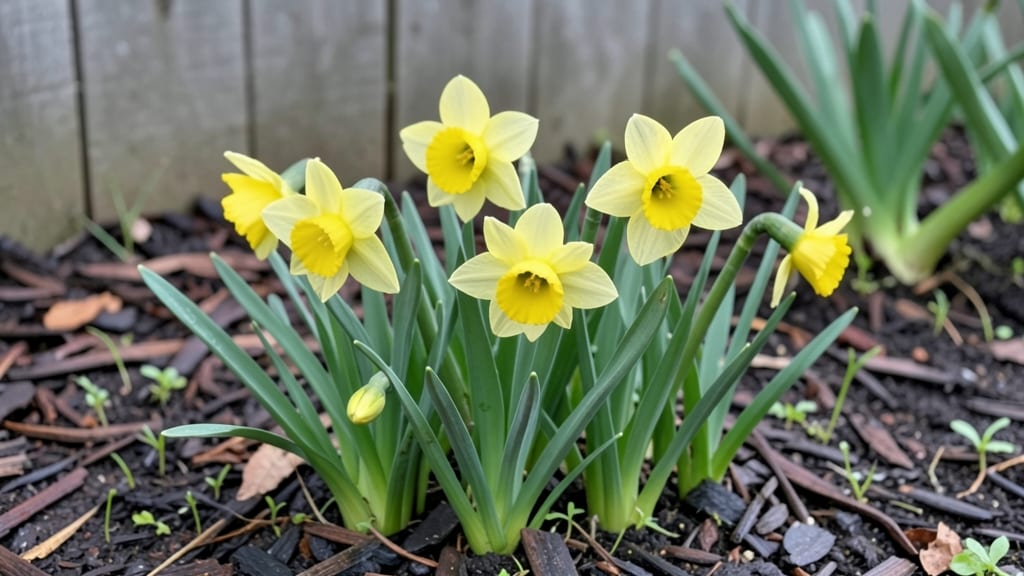
Designing gardens with daffodils is my go-to for effortless spring color that lasts long after the blooms fade. 🌱 These hardy bulbs bring sunshine to borders, containers, and even shady corners, while their sword-like foliage stays green until summer.
The secret lies in mixing varieties—early bloomers like 'Tête-à-Tête' for February cheer, mid-season 'Ice Follies' for April, and late 'Thalia' that lingers until May.
Pair them with spring ephemerals like hellebores or ferns for layered interest, or tuck them into perennial beds where they’ll naturalize over time. I’ve even planted drifts under fruit trees—their early blooms attract pollinators before the trees leaf out.
The key is spacing: 4-6 inches apart for clustered looks, or 8-12 inches for a more relaxed drift.
What you’ll end up with is a garden that feels alive from late winter through summer, with minimal upkeep. The foliage fades gracefully, leaving room for daylilies or ornamental grasses to take over. And when fall comes, the bulbs are already storing energy for next year’s show—no digging required.
Works in cottage gardens, woodland edges, or even small pots on patios. The best part? Daffodils thrive in full sun or partial shade, and they’re deer-resistant. Now let’s get those bulbs in the ground for a display that starts before the snow melts.
📚 In This Guide
- What you need
- Instructions
- Tips and common mistakes
- Wrapping up and next steps
What you need
- ● Daffodil bulbs: Choose Narcissus varieties (e.g., 'Ice Follies,' 'Tête-à-Tête,' or 'Tazetta'). Aim for 10–20 bulbs per square foot for a lush look. Opt for disease-resistant varieties if your area has bulb rot risks.
- ● Well-draining soil: Mix 1 part garden soil with 1 part compost and 1 part coarse sand or perlite (for sandy or clay-heavy soils). Test soil pH (ideal: 6.0–7.0).
- ● Mulch: 2–3 inches of organic mulch (e.g., shredded bark, straw, or pine needles) to retain moisture and suppress weeds.
- ● Garden trowel or bulb planter (for precise planting).
- ● Garden fork or spade (to loosen soil).
- ● Measuring tape or ruler (for spacing bulbs 4–6 inches apart).
- ● Garden hose or watering can (with a gentle spray nozzle to avoid displacing bulbs).
- ● Gloves (to protect hands from sharp bulb edges).
- ● Companion plants: Pair with grape hyacinths, crocus, or ornamental grasses for texture.
- ● Edging materials: Use stone, brick, or metal to define beds and keep mulch in place.
- ● Fertilizer: Slow-release bulb fertilizer (e.g., 5-10-10) applied after planting.
- ● Drip irrigation kit (for automated watering in dry climates).
How to design a low-maintenance daffodil garden
Here's how to create a vibrant, year-round display that blooms early and thrives with minimal care.
🌱 Step 1: Choose the Right Location and Soil
Daffodils love full sun—at least 6 hours daily—so pick a spot that gets morning light and afternoon shade if your climate runs hot. I always test the soil first by digging a 6-inch hole and checking drainage. If water pools after 30 minutes, amend with 2-3 inches of coarse sand or perlite to improve drainage.
Daffodils hate soggy roots, so avoid low-lying areas where water collects. The soil should be well-draining but still rich enough to support bulbs. I mix in 2 inches of compost into the top 6 inches of soil to give them a nutrient boost without overwhelming them. This ensures they establish strong roots before spring blooms.
🪴 Step 2: Plant Bulbs at the Correct Depth and Spacing
Plant daffodil bulbs in fall, between 6-8 weeks before the first frost. Dig holes 6-8 inches deep—about 3 times the bulb's height—and space them 4-6 inches apart. I always plant them in clusters of 3-5 bulbs for a natural, full look. The deeper you plant, the more stable the bulbs stay in winter.
Place one bulb per hole with the pointed end facing up. Cover lightly with soil, then water deeply to settle everything. Don’t worry if the soil looks uneven—daffodils don’t need perfect beds. Just make sure the soil is firm enough to hold the bulbs in place without shifting. This prevents them from surfacing in winter.
☀️ Step 3: Layer with Companion Plants for Year-Round Interest
Daffodils fade after blooming, so I layer in perennials that thrive in their shade, like heuchera, ajuga, or ferns. These plants fill the gaps while the daffodils rest underground. I also add low-growing shrubs like boxwood or dwarf lilacs along the edges to create structure and frame the bed.
For texture, I sprinkle mulch around the base after planting to suppress weeds and retain moisture. Use 2-3 inches of shredded bark or pine needles—just keep it 2 inches away from bulb bases to prevent rot. This keeps the soil cool in summer and protects bulbs from temperature swings.
⏰ Step 4: Maintain Through the Seasons
Daffodils are low-maintenance, but they need minimal care after planting. Water deeply once a month during fall and winter unless rain provides enough moisture. In spring, water weekly until foliage yellows—this ensures the bulbs store energy for next year’s blooms. Never cut back leaves until they turn brown and crisp.
After blooming, I leave the foliage until it naturally dies back. This process recharges the bulbs for the following year. If you notice yellowing leaves in summer, it’s a sign the bulbs are dormant—just avoid disturbing them. Fertilize lightly in early spring with a balanced 10-10-10 formula to encourage strong growth.
✂️ Step 5: Divide and Refresh Every 3-5 Years
Daffodils multiply over time, so I dig up and divide crowded clumps every 3-5 years in late summer. Lift bulbs carefully with a fork, separate the clusters, and replant the healthiest ones. Discard any soft or moldy bulbs—they won’t regrow. This keeps the garden looking fresh and prevents overcrowding.
Replant divided bulbs at the same depth and spacing. Water them in well and mulch lightly to protect roots as they re-establish. You’ll see new blooms within 2 years, and the garden will stay vibrant with minimal effort. This step keeps your daffodils thriving for decades.
Tips & tricks for perfect daffodil garden design
A few simple tricks will help you create a daffodil garden that thrives year after year with minimal effort.
The Drainage Test: That 30-minute water test in Step 1 is crucial—if water doesn't fully drain, add more sand or perlite. I've seen daffodils fail completely in soggy soil, but they'll thrive in well-draining beds. For clay soil, consider raised beds if drainage remains poor after amending. This single test prevents years of disappointment.
Planting Clusters: The 3-5 bulb clusters in Step 2 create natural drifts that look stunning. I recommend planting at least 15 bulbs total to see a noticeable impact. For larger areas, multiply these clusters by 3-4 to maintain that organic, full look without overcrowding. The deeper you plant (6-8 inches), the more stable they'll be through winter freezes.
Companion Plant Selection: In Step 3, heuchera and ajuga are my top picks because they tolerate shade while daffodils fade. I also add optional spring ephemerals like bleeding heart or wild ginger for extra seasonal interest. These plants die back naturally, leaving room for summer bloomers like coral bells that won't compete with your daffodils.
Mulching Strategy: That 2-3 inch mulch layer in Step 3 works wonders, but keep it 2 inches away from bulb bases to prevent rot. I use cedar mulch because it naturally repels pests while breaking down slowly. In hot climates, add an extra inch of mulch to protect bulbs from summer heat stress. This simple layering keeps weeds at bay for months.
Pro Tips for Gardens With Daffodils
- A few simple tricks will help you create a daffodil garden that thrives year after year with minimal effort.
- The Drainage Test: That 30-minute water test in Step 1 is crucial—if water doesn't fully drain, add more sand or perlite.
- Planting Clusters: The 3-5 bulb clusters in Step 2 create natural drifts that look stunning.
Frequently asked questions
Got questions about creating a stunning daffodil garden? You’re not alone!
Here are some of the most common queries—plus quick, practical answers to help you design with confidence.
When is the best time to plant daffodils for spring blooms?
Plant daffodil bulbs in fall, about 6–8 weeks before the first hard frost (typically October–November in most U.S. zones). This gives roots time to establish before winter. For early spring color, choose early-blooming varieties like ‘Tête-à-Tête’ or ‘Ice Follies.’
Do daffodils need full sun, or can they grow in partial shade?
Daffodils thrive in full sun (6+ hours/day), but they tolerate partial shade (4–6 hours) if summers are hot. In shady spots, blooms may be smaller, but foliage stays lush. Best for shade: Smaller varieties like ‘Minerva’ or ‘February Gold.’
Why aren’t my daffodils blooming this year?
Common culprits: overcrowded bulbs (dig and divide every 3–5 years), poor drainage (plant in raised beds if soil is heavy), or not enough sunlight. Also, daffodils need 6+ weeks of winter chill—if temps stay mild, blooms may skip a year. Pro tip: Fertilize in fall with bone meal for next year’s flowers!
Are daffodils deer- or rodent-resistant?
Yes! Daffodils contain lycorine, a toxin that deters deer, rabbits, and squirrels. Plant them near high-traffic areas or alongside veggie gardens for natural protection. Exception: Hungry deer might nibble young shoots—try surrounding bulbs with daffodil-specific repellent granules if needed.
What are some low-maintenance daffodil varieties for beginners?
Start with these hardy, fuss-free picks:
- ‘Tête-à-Tête’ – Compact, early bloomer (great for containers!).
- ‘Ice Follies’ – Fragrant, snow-white, and deer-resistant.
- ‘Minnow’ – Dwarf variety (perfect for rock gardens).
- ‘Paperwhite’ – Blooms indoors or out (no chill needed!).
All multiply easily and return year after year!
Can I mix daffodils with vegetables or herbs?
Daffodils repel pests like aphids and carrot flies, making them ideal companions for:
- Carrots
- Onions
- Lettuce
- Rosemary or thyme
Plant bulbs 6+ inches away from veggies to avoid competition. Bonus: Their early blooms attract pollinators for your edible garden!
Wrapping up and next steps
Transforming your garden into a vibrant, low-maintenance haven with daffodils is easier—and more rewarding—than you think! 🌼 These cheerful blooms bring early spring color, effortless beauty, and year-round interest, proving that stunning gardens don’t require endless work.
Whether you’re a seasoned gardener or just starting out, planting daffodils is a simple way to elevate your outdoor space with minimal fuss.
Now that you’re armed with tips and tricks, take the next step—pick your favorite daffodil varieties, sketch a quick design, and start digging! Your future self (and your garden) will thank you. Happy planting! 🌱