
Tools
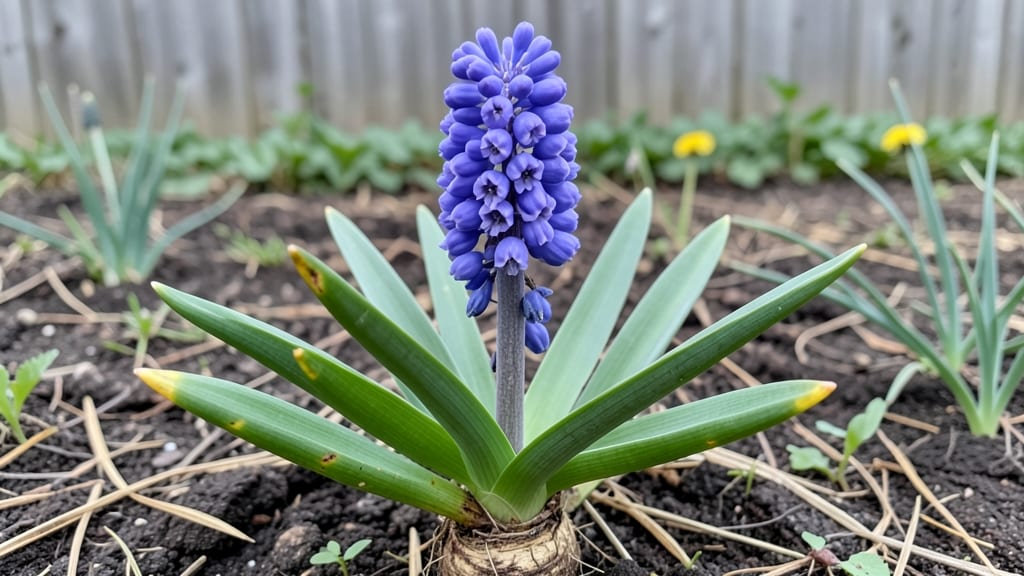
Hyacinths in garden design are the unsung heroes of early spring—bursting into vibrant color when little else is blooming and filling the air with intoxicating perfume. 🌸 I’ve planted them along shady borders where they multiply every year, creating a fragrant carpet that lasts for weeks.
Their bold hues—deep purple, soft pink, or sunny yellow—make them perfect for anchoring garden beds or brightening containers.
The secret to their reliability lies in planting them deep enough (6 inches) and choosing well-drained soil. Pair them with hellebores for shade-loving companions or tulips for a layered spring display. In containers, they thrive in groups of 5-7 bulbs, spilling over edges with their upright stems and clustered blooms.
Their early bloom time also makes them ideal for cutting gardens—just snip stems when buds are half-open for longer vase life.
What you’ll love most is how they return year after year, growing denser with each season. Imagine stepping into your garden in March and being greeted by waves of fragrance that linger even after the blooms fade.
Their foliage stays tidy, so they don’t require messy cleanup, and their deer-resistant nature makes them a low-maintenance choice for any garden style.
Whether you’re designing a cottage garden, a modern minimalist space, or a fragrant pathway, hyacinths bring color, scent, and reliability to your outdoor sanctuary. Here’s how to make the most of their early-season magic—without overcomplicating the process.
📚 In This Guide
- What you need
- Instructions
- Tips and common mistakes
- Wrapping up and next steps
What you need
- ● Hyacinth bulbs: Choose healthy, firm bulbs (size 12/14 cm or larger for best blooms). Buy 5–10 bulbs per planting area (depending on desired coverage).
- ● Well-draining potting mix or garden soil: Amend with 1–2 inches of compost for nutrient-rich soil. Avoid heavy clay.
- ● Organic fertilizer: A balanced bulb fertilizer (e.g., 10-10-10) or bone meal (1 tbsp per bulb) for phosphorus to encourage blooming.
- ● Mulch: 2–3 inches of straw, pine needles, or shredded bark to retain moisture and protect bulbs in winter.
- ● Garden trowel or bulb planter (for precise digging).
- ● Measuring tape or ruler (to ensure 6-inch depth and 4–6-inch spacing between bulbs).
- ● Gloves (to protect hands from soil and sharp bulb edges).
- ● Watering can or hose with a gentle spray nozzle (avoid overwatering!).
- ○ Optional: Bulb planter guide (for perfect spacing) or garden stakes (to mark planting spots).
- ● Best planting time: Fall (6–8 weeks before first frost) for spring blooms. Check your USDA Hardiness Zone (Zones 3–9).
- ● Sunlight: Full sun (6+ hours/day) or partial shade (especially in hot climates).
- ● Drainage: Ensure no standing water—hyacinths hate soggy roots!
- ○ Optional: Container gardening? Use pots with drainage holes and a mix of potting soil + perlite.
How to plant and care for hyacinths in your garden
Here's my go-to method for planting these fragrant bulbs so they multiply and return year after year.
🌱 Step 1: Choose the Right Location and Prepare the Soil
Hyacinths thrive where they get full sun to partial shade—at least 6 hours of sunlight daily. I always plant mine where they won’t be disturbed by foot traffic, like along a fence line or under small trees where they’ll get morning sun and afternoon shade. The soil should drain well; if yours is heavy clay, mix in 2-3 inches of compost to improve drainage.
Loosen the soil to a depth of 12 inches with a garden fork. You’ll see the difference when you plant—the bulbs will settle easily into loose soil, which encourages strong root growth. Avoid planting in low spots where water pools after rain.
🪴 Step 2: Plant Bulbs at the Correct Depth and Spacing
Hyacinth bulbs need to be planted 6-8 inches deep—about 3 times their height. I dig holes with a trowel, place one bulb in each, and cover it with soil, pressing gently to remove air pockets. Space the bulbs 4-6 inches apart in rows 8-10 inches apart to allow for future growth and easy maintenance.
Planting too shallow risks frost heaving in winter, while burying them too deep delays blooming. If you’re unsure of the depth, use the rule of thumb: the bulb’s tip should face upward, and the soil should cover it completely.
💧 Step 3: Water and Mulch for Winter Protection
After planting, water the area deeply to settle the soil around the bulbs. You won’t need to water again until spring, but keep an eye out for dry spells—hyacinths need moisture during their first growing season. Once the ground freezes, apply a 2-3 inch layer of mulch (like shredded leaves or straw) to insulate the bulbs and protect them from harsh winter temperatures.
Don’t skip the mulch—it’s what helps hyacinths survive cold winters and come back stronger. In spring, remove the mulch as soon as the ground thaws to allow the bulbs to warm up and start growing.
☀️ Step 4: Encourage Blooms with Spring Care
When the first green shoots appear in early spring, remove the mulch and water lightly to encourage root growth. Hyacinths need consistent moisture but not soggy soil. You’ll know they’re happy when the foliage reaches 6 inches tall—this is when they’re actively feeding and storing energy for next year’s blooms.
Once the flowers fade, let the foliage die back naturally. Cutting it too soon starves the bulb of nutrients it needs to multiply. I wait until the leaves turn yellow before trimming them back, which usually happens in late spring or early summer.
⏰ Step 5: Divide and Multiply Every Few Years
Hyacinths multiply over time, and after 3-4 years, you’ll need to divide them to keep the blooms strong. In late summer or early fall, dig up the clumps and separate the bulbs, discarding any that are soft or shriveled. Replant the healthy ones immediately, following the same depth and spacing guidelines.
This is the secret to getting more flowers year after year. If you skip dividing, the clumps get crowded, and the blooms become smaller and fewer. I always replant a few extras to share with friends—they’ll thank you for the fragrant surprise!
Tips & tricks for perfect hyacinth planting and care
Real talk: Hyacinths are one of those "plant once, enjoy forever" bulbs—but only if you nail these key steps. Between us, I've learned these tricks after watching my first batch of bulbs disappear thanks to frost heave and poor drainage.
Location and Soil Prep Secret: The 6 hours of sunlight requirement is non-negotiable, but here's what nobody tells you—morning sun is more important than afternoon. I've noticed my bulbs bloom more vigorously when they get that gentle morning warmth rather than harsh afternoon rays. For soil prep, that 12-inch depth isn't just about planting—it's about creating a root-friendly zone. Use your garden fork to loosen soil until it crumbles easily between your fingers. If your soil feels compacted like wet clay, mix in that 2-3 inches of compost right where you'll plant, not just around the edges.
Planting Depth Confidence Builder: That 6-8 inch depth rule can feel vague with different bulb sizes. Here's my trick: hold the bulb by its neck (the narrow part) and measure from the very bottom to the top. That's your planting depth. For standard hyacinths, this usually lands right at 6-8 inches. Pro tip: use a wooden dowel or pencil to mark your holes at the correct depth before planting—it saves you from guessing later.
Mulch Timing That Saves Bulbs: The 2-3 inch mulch layer is crucial, but timing matters just as much. Apply it only after the ground has frozen solid—if you mulch too early, it can trap warmth and encourage early growth that gets nipped by frost. I test by pushing a screwdriver into the soil; if it won't go in easily, it's time to mulch. In spring, remove it as soon as you see shoots—usually when you can wiggle a trowel into the soil without resistance.
Foliage Care That Multiplies Blooms: I get it—those pretty flowers are tempting to cut. But here's the thing: those 6 inches of foliage you're waiting for are like the bulb's savings account. They're storing energy for next year's blooms. When the leaves turn yellow, that's your cue to trim—usually around late May or early June in my zone 5 garden. I snip them back to about 2 inches above the soil, which gives the bulb a clean start for next season.
Pro Tips for Hyacinths In Garden
- Real talk: Hyacinths are one of those "plant once, enjoy forever" bulbs—but only if you nail these key steps.
- Location and Soil Prep Secret: The 6 hours of sunlight requirement is non-negotiable, but here's what nobody tells you—morning sun is more important than afternoon.
- Planting Depth Confidence Builder: That 6-8 inch depth rule can feel vague with different bulb sizes.
Frequently asked questions
Got questions about growing hyacinths in your garden? You’re not alone! Here are some of the most common concerns—and their simple solutions—to help you cultivate these fragrant blooms with confidence.
When is the best time to plant hyacinth bulbs?
Plant hyacinth bulbs in fall (6–8 weeks before the first frost), typically between September and November in most U.S. zones (4–9). This timing ensures roots establish before winter dormancy. For container growing, plant them slightly earlier to account for slower soil cooling.
How long do hyacinths take to bloom after planting?
With proper care, hyacinths usually bloom 4–6 weeks after planting in early spring. If they’re late, check for overcrowded bulbs or poor drainage. A sunny spot (6+ hours of light) and well-draining soil speed up flowering. Patience pays off—once established, they’ll return yearly!
Why aren’t my hyacinths blooming this year?
Common culprits include:
- Too much shade: Hyacinths need full sun (6+ hours/day).
- Overwatering: Bulbs rot in soggy soil. Ensure well-draining soil.
- Improper planting depth: Dig holes 6 inches deep (twice the bulb’s height).
- Lack of nutrients: Feed with bulb fertilizer in fall or spring.
Can I grow hyacinths in containers or small spaces?
Hyacinths thrive in containers (12+ inches deep) with drainage holes. Use a well-draining potting mix and plant 3–5 bulbs per pot for a fragrant display. Place pots in full sun and water moderately—never let them sit in water. Perfect for patios or balconies!
How do I protect hyacinths from pests like squirrels or slugs?
Squirrels and slugs love hyacinths! Deter them with:
- Chicken wire over bulbs at planting time.
- Copper tape around containers (slugs hate it!).
- Diatomaceous earth (food-grade) around plants.
- Plant near daffodils—their toxicity repels pests.
Wrapping up and next steps
Hyacinths are the perfect early bloomers for any garden, offering fragrance, color, and reliability year after year. With the right care—like well-draining soil, proper spacing, and a little winter protection—you’ll enjoy their stunning displays for decades.
Now that you’re armed with tips and answers, why not plant a few this fall? Start small, experiment with varieties, and watch your garden transform into a fragrant paradise! 🌸
🌱 Next Steps:
- Buy bulbs from a trusted nursery or online retailer.
- Mark your calendar for planting (fall is ideal!).
- Share your progress—tag us in your garden photos!