
Advice
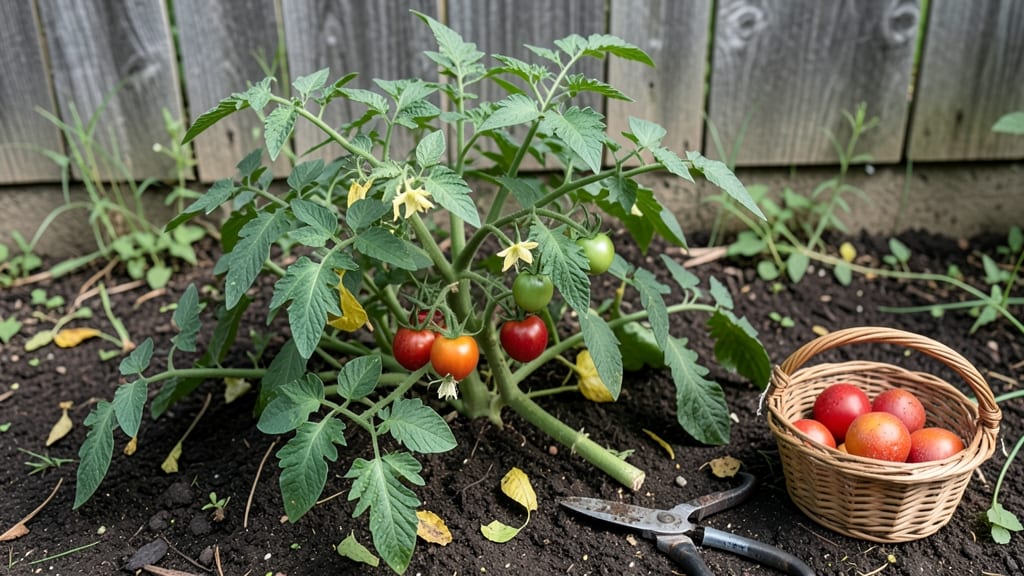
July gardening tasks aren't just about keeping plants alive—they're about setting them up to thrive through the rest of summer. 🌿 I remember my first July garden: wilting tomatoes, aphid-infested roses, and the sinking feeling that all my spring work was undone.
That year taught me what really matters in mid-summer maintenance.
This month, focus on three critical moves: strategic pruning to boost late-season blooms, pest-proofing before populations explode, and deep watering to combat heat stress. You'll need sharp pruners, neem oil for pests, and a reliable watering schedule—no fancy tools, just the right timing.
The payoff? Plants that stay productive when others fade.
By August, you'll see the difference: roses covered in blooms, tomatoes setting fruit like crazy, and vegetables that keep producing instead of bolting. The secret is working with the plants, not against them—letting them breathe, feeding them right, and giving them the water they crave when temperatures peak.
Works for backyard gardens, containers, or raised beds—just adjust for your local heat and humidity. Let's make this July the one where your garden actually outperforms your neighbors'.
📚 In This Guide
- What you need
- Instructions
- Tips and common mistakes
- Wrapping up and next steps
What you need
- ● Pruning shears: Bypass pruners (sharp, clean, and sterilized with rubbing alcohol to prevent disease spread). Quantity: 1-2 pairs.
- ● Garden gloves: Heavy-duty, nitrile-coated for grip and protection (e.g., blank">Fellowes or blank">Gloveworks). Quantity: 1 pair.
- ● Hand trowel: Stainless steel, 5-inch blade for transplanting or soil work. Quantity: 1.
- ● Watering can or hose: Adjustable nozzle for precision (e.g., blank">Gardeners.com models). Quantity: 1.
- ● Mulch: Organic (e.g., shredded bark, straw) or inorganic (e.g., landscape fabric) to retain moisture. Quantity: 2–3 bags (1–2 cubic feet each).
- ● Neem oil: 100% cold-pressed for organic pest deterrence (e.g., blank">Bonide). Quantity: 16 oz spray bottle.
- ● Insecticidal soap: Plant-based (e.g., blank">Safer Brand). Quantity: 16 oz.
- ● Yellow sticky traps: For aphids/whiteflies. Quantity: 3–5 traps.
- ● Row covers: Lightweight floating fabric (e.g., blank">Gardeners.com) to protect vulnerable plants.
- ● Loppers: For thicker branches (24-inch reach).
- ● Soil moisture meter: Digital for precision watering.
- ● Compost: Finished, well-aged to enrich soil post-pruning.
- ● Solar-powered bug zappers: For large gardens (e.g., Orbit).
Step-by-Step mid-summer pruning and pest-proofing guide
July is all about keeping your garden thriving—here’s how to trim back growth and fend off pests before they take over.
🌿 Step 1: Prune Overgrown Perennials and Flowers
Start by deadheading spent blooms on perennials like coneflowers and black-eyed Susans. Pinch off faded flowers just above the next set of leaves to encourage new growth. For woody shrubs like roses, trim back leggy stems by a third to improve airflow—this prevents fungal diseases like powdery mildew.
Use clean, sharp pruners (sterilized with rubbing alcohol) to make cuts at a 45-degree angle, about ¼ inch above a bud or leaf node. Avoid cutting into old wood, as it won’t regrow. Watch for new buds forming within 7-10 days—that’s your sign the plant is responding well.
✂️ Step 2: Thin Out Vegetable Plants for Better Airflow
Check your vegetable beds for overcrowded seedlings, like lettuce or spinach. Thin them to 3-4 inches apart so leaves dry quickly after watering—this reduces rot and pest attraction. For tomatoes, prune suckers (the small shoots growing between stems and branches) to focus energy on fruit production.
If you’re growing herbs like basil, trim back leggy stems by half to encourage bushier growth. Avoid pruning in extreme heat (afternoon temperatures over 90°F), as it stresses plants. Instead, do it in the early morning when soil is still cool.
💧 Step 3: Water Deeply in the Early Morning
July’s heat demands deep watering—aim for 1-1.5 inches of water per week, delivered slowly at the base of plants. Use a soaker hose or drip irrigation to avoid wetting leaves, which attracts fungal diseases. Water between 6-9 AM to minimize evaporation and give plants time to dry before nighttime humidity sets in.
Check soil moisture by sticking your finger 1-2 inches deep—if it feels dry, it’s time to water. Mulch with 2-3 inches of organic mulch (like shredded bark) to retain moisture and suppress weeds. This also keeps roots cool during peak afternoon heat.
🪴 Step 4: Inspect and Treat for Common Pests
Scan leaves for signs of aphids, spider mites, or tomato hornworms. Knock off aphids with a strong spray of water, and handpick hornworms (they’re easy to spot with their green, striped bodies). For spider mites, use neem oil spray (mix 1 tablespoon neem oil + 1 teaspoon mild soap per gallon of water) and apply in the evening.
If you spot Japanese beetles, set up traps early in the morning when they’re sluggish. For grubs in lawns, apply beneficial nematodes (like Heterorhabditis bacteriophora) to the soil—these microscopic worms kill pests without harming plants. Reapply every 4-6 weeks for best results.
☀️ Step 5: Protect Delicate Plants from Heat Stress
Move tender annuals like impatiens or begonias to partial shade if they start wilting in the afternoon. Use shade cloth (30-50%) to filter sunlight while still allowing airflow. For container plants, soak pots in a tub of water for 20 minutes to ensure roots get enough moisture.
Watch for yellowing leaves on heat-stressed plants—this often means roots aren’t getting enough oxygen. If soil feels soggy, let it dry slightly before watering again. Group plants with similar water needs together to simplify care and prevent over- or under-watering.
Tips & tricks for mid-summer pruning and pest-proofing
Here's what nobody tells you about keeping your garden thriving during July's peak heat—these tricks make all the difference.
Timing Secret: In Step 2, when thinning seedlings, do it on a cool morning after watering. The soil will be moist enough to protect tender roots while you work, and plants will recover faster. I've seen seedlings stressed beyond recovery when thinned in midday heat—trust me on this.
Pruning Precision: For Step 1, use a ruler to ensure your ¼-inch cut above the bud. This small detail makes a huge difference in how quickly new growth appears. I learned this the hard way after ruining three batches of roses with uneven cuts.
Heat Stress Rescue: If you notice yellowing leaves in Step 5, don't panic—this often means roots need more oxygen. Gently loosen soil around the base with a fork (be careful not to damage roots) to improve airflow. This works wonders for container plants too.
Pest Prevention: In Step 4, mix your neem oil spray fresh every 2 weeks. The soap breaks down over time, reducing effectiveness. For extra protection, sprinkle diatomaceous earth around plant bases—it's non-toxic and dries out soft-bodied pests like spider mites.
Pro Tips for July Gardening Tasks
- Here's what nobody tells you about keeping your garden thriving during July's peak heat—these tricks make all the difference.
- Timing Secret: In Step 2, when thinning seedlings, do it on a cool morning after watering.
- Pruning Precision: For Step 1, use a ruler to ensure your ¼-inch cut above the bud.
Frequently asked questions
Got questions about tackling your garden in July? You’re not alone—mid-summer gardening can feel like a puzzle! Here are the most common queries (and answers) to keep your green space thriving without the stress.
What should I prioritize pruning in July?
Focus on deadheading spent blooms (like roses or annuals) to encourage more flowers and prevent seed production. Prune overgrown perennials (e.g., coneflowers, black-eyed Susans) to maintain shape, but avoid heavy cuts—save major pruning for early spring. For fruit trees, thin out excess fruit now to improve size and quality.
How do I handle pests like squash bugs or aphids without chemicals?
Start with physical removal: Use a strong spray of water to knock off aphids or handpick squash bugs (drop them in soapy water!). Introduce beneficial insects like ladybugs or lacewings, or try neem oil or insecticidal soap for organic control. Prevention tip: Mulch with straw to deter pests and improve soil health.
Why is my lawn turning brown in July, and how do I fix it?
Brown patches often mean overwatering, drought stress, or fungal issues. First, check your watering schedule—deep, infrequent watering (1–1.5 inches per week) is better than daily light sprinkles. If fungal disease (like brown patch) is suspected, improve airflow by mowing high (3–4 inches) and avoid watering at night. For severe cases, apply a fungicide or overseed bare spots in early fall.
Can I still plant vegetables in July, or is it too late?
July is perfect for heat-tolerant crops like okra, Southern peas, or Swiss chard. For leafy greens (spinach, lettuce), opt for bolt-resistant varieties or plant in partial shade. Use mulch to retain moisture and shade young plants. Avoid transplanting tomatoes or peppers—focus on succession planting for fast growers like bush beans or radishes.
What’s the best way to revive wilting plants during a heatwave?
Act fast! Move potted plants to shadier spots and soak the soil (not just the leaves) with water in the early morning. Trim any yellow or crispy leaves to reduce stress. For container plants, add ice cubes to the soil to slowly release moisture. If roots are exposed, bury them deeper with soil. Pro tip: A light layer of mulch keeps roots cool and hydrated.
Wrapping up and next steps
July is your chance to revitalize your garden—whether it’s pruning to boost growth, fortifying against pests, or prepping for autumn’s bounty. 🌱 By tackling these mid-summer tasks, you’re not just maintaining your space; you’re setting the stage for a thriving harvest and a resilient landscape.
So roll up your sleeves, enjoy the warmth, and watch your hard work bloom!
Ready to take it further? Plan your August checklist now—think soil prep, late-season planting, and protecting tender crops from heat stress. Your garden’s next chapter starts with a single step!