Vegetables
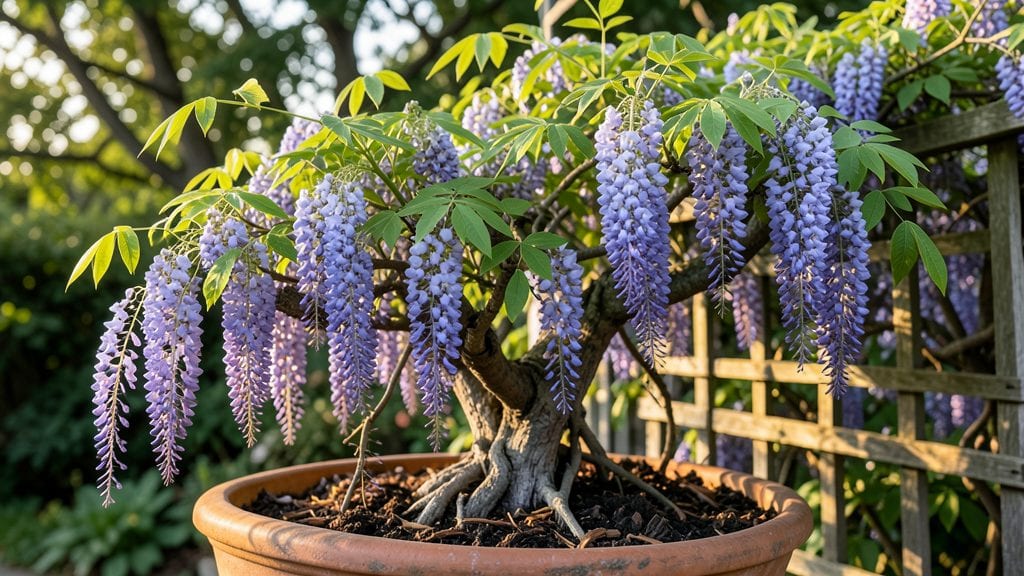
The Longwood Gardens wisteria isn’t just a plant—it’s a living masterpiece that transforms any garden into a fragrant, romantic retreat. 🌿 I’ve always been captivated by how its cascading blooms turn plain structures into showstopping focal points, just like in Longwood’s signature designs.
The key lies in pairing it with the right architecture and companion plants to create that signature Longwood elegance.
Think pergolas draped in lavender-blue sprays or arches framing a pathway, all while keeping the surrounding space clean and intentional. Longwood Gardens uses wisteria to create seasonal layers—spring’s intoxicating scent, summer’s lush foliage, and even winter’s sculptural branches.
The trick is balancing its bold presence with delicate perennials like peonies or columbines to soften the drama.
You’ll end up with a garden that feels like stepping into a curated art installation, where every season offers something new. The wisteria’s fragrance alone makes it worth the effort, but the visual impact—especially when trained over arbors or trellises—creates a focal point that draws the eye and sparks conversation.
Let’s bring that Longwood magic to your outdoor space.
Whether you’re working with a formal English garden layout or a relaxed cottage-style yard, wisteria adapts beautifully. The secret is starting small—maybe one stunning specimen to anchor a seating area—before letting it grow into a full-scale statement piece. That way, you get the Longwood effect without overwhelming your space.
📚 In This Guide
- What you need
- Instructions
- Tips and common mistakes
- Wrapping up and next steps
What you need
- ● Wisteria plants: Choose between Wisteria sinensis (Chinese) or Wisteria floribunda (Japanese). Buy from a reputable nursery (1-3 plants per 10’ of trellis space).
- ● Support structure: Arbor, pergola, or sturdy trellis (8’+ tall, galvanized metal or wood)
- ● Heavy-duty cables or ropes (¼” diameter, 50’ roll) for training vines
- ● Soil amendments: Compost (2-3 bags, 40 lbs each) for drainage
- ● Bone meal (1 lb) or slow-release fertilizer (10-10-10, 5 lbs)
- ● Mulch: Wood chips or straw (2-3 cubic feet) to retain moisture.
- ● Digging tools: Shovel (round-point, 18” blade)
- ● Trowel (for transplanting seedlings)
- ● Pruning supplies: Bypass pruners (sharp, for clean cuts)
- ● Loppers (for thicker stems, 20” reach)
- ● Disinfectant (rubbing alcohol or bleach solution)
- ● Safety gear: Gloves (heavy-duty, cut-resistant), knee pads, and long sleeves.
- ○ Optional (but helpful!): Soil pH test kit (aim for 6.0–7.0)
- ● Drip irrigation system (for consistent watering)
- ● Epsom salt (1 lb, for magnesium-rich soil)
Step-by-Step instructions for planting and cultivating wisteria like Longwood Gardens
Transform your landscape into a fragrant retreat by mastering the art of wisteria cultivation.
🌱 Step 1: Select the Perfect Planting Site and Prepare the Soil
Wisteria thrives in full sun—at least 6-8 hours daily—so choose a south or west-facing location where it can sprawl freely. I always look for a sturdy arbor, trellis, or pergola within 10-15 feet of the planting spot, as mature wisteria vines can reach 20-30 feet long. Avoid areas with strong winds, which can damage delicate blossoms.
Test your soil’s drainage by digging a 12-inch deep hole. If water pools after 10 minutes, amend the area with 2-3 inches of compost mixed into the top 6 inches of soil. Wisteria prefers slightly acidic to neutral soil with a pH between 6.0-7.0. If your soil is heavy clay, blend in 1 part sand per 3 parts soil to improve aeration.
🪴 Step 2: Plant Bare-Root Wisteria Correctly for Strong Growth
Dig a hole twice as wide as the root ball but only as deep as the container’s base. Gently loosen the roots of your bare-root wisteria and position them in the hole, spreading them horizontally to encourage a wide root system. The top of the root ball should sit 1-2 inches above ground level—this prevents rot and allows for settling.
Backfill the hole with native soil, tamping lightly every 2 inches to remove air pockets. Water deeply until the soil is moist 12 inches down. I always add a 2-inch layer of mulch around the base, keeping it 6 inches away from the stem to prevent moisture buildup. Mulch helps retain soil moisture and regulates temperature, which is critical for young plants.
☀️ Step 3: Provide Support and Prune for Healthy Vines
Install your trellis or arbor immediately after planting. Wisteria vines need something sturdy to climb, and starting early gives them time to establish a strong attachment. Use soft ties or twine to loosely secure the main stems to the structure—never wrap tightly, as this can girdle the bark as the vine grows.
Prune in late winter or early spring before new growth begins. Remove 1/3 of the previous year’s growth to encourage flowering and improve air circulation. Cut back any dead, diseased, or crossing branches with clean, sharp pruners. I always look for the first set of buds—these indicate where the plant will produce new growth. Prune just above a bud that faces outward to promote an open, airy structure.
💧 Step 4: Water and Fertilize for Lush, Fragrant Blooms
Water deeply 2-3 times per week during the first growing season, ensuring the soil stays consistently moist but not waterlogged. Mature wisteria are drought-tolerant once established, but young plants need regular moisture to develop strong roots. You’ll know you’re watering correctly when the top 2 inches of soil feel damp but not soggy.
Apply a balanced, slow-release fertilizer in early spring, using 10-10-10 or 20-20-20 at half strength. I avoid high-nitrogen fertilizers, as they encourage leafy growth at the expense of flowers. Instead, focus on phosphorus and potassium to promote blooming. After the first flush of flowers, apply a bloom booster fertilizer to encourage a second, smaller bloom cycle in late summer.
⏰ Step 5: Maintain and Enjoy Year-Round Beauty
Monitor your wisteria for pests like aphids or spider mites, which can weaken the plant. Spray with a strong stream of water to dislodge them, or use an insecticidal soap if infestations persist. Wisteria also benefits from occasional pruning throughout the growing season to control its size and shape. Trim back any overly vigorous shoots that threaten to overtake your trellis.
In fall, reduce watering as the plant enters dormancy, but keep the soil lightly moist. Apply a 3-inch layer of mulch around the base to protect roots from freezing temperatures. With proper care, your wisteria will reward you with cascades of fragrant blooms in spring, vibrant foliage in summer, and striking golden hues in fall—just like the iconic displays at Longwood Gardens.
Tips & tricks for perfect wisteria cultivation like Longwood Gardens
Longwood Gardens' legendary wisteria displays don't happen by accident—they're the result of precise planting techniques and ongoing care. Here's what I've learned from studying their methods to help you achieve that same dramatic beauty in your own garden.
Sunlight Strategy: That critical 6-8 hours of full sun requirement isn't just about light—it's about heat accumulation. South or west-facing locations get the most intense afternoon sun, which is when wisteria needs heat to develop those signature blooms. I've seen wisteria struggle in east-facing spots where morning sun isn't enough to trigger flowering. If your location gets less than 6 hours, consider supplementing with artificial grow lights during winter months when days are shortest.
Pruning Precision: When Step 3 calls for removing 1/3 of the previous year's growth, I focus on three key areas: dead wood, crossing branches, and the oldest stems. The oldest growth produces the most flowers, so I always leave the thickest, most established branches. Use sharp pruners and make cuts just above outward-facing buds—this creates an open structure that allows sunlight to penetrate all the way to the center where new growth emerges. I mark my cuts with a piece of tape before making them to ensure proper placement.
Watering Wisdom: The 2-3 times per week watering guideline assumes average rainfall conditions. During heatwaves, I increase to daily watering until the soil is consistently moist to 12 inches down. To test properly, insert a screwdriver into the soil—it should go in easily but not with resistance. Overwatering is just as damaging as underwatering, so I always check for standing water before adding more. In winter, I reduce to once every 10-14 days unless we have a prolonged dry spell.
Fertilizer Timing: That early spring application of 10-10-10 or 20-20-20 at half strength is crucial, but I've found the real secret is in the timing. Apply it when you see the first signs of new growth in early spring, not when the buds are just swelling. This ensures the plant has nutrients available for both leaf and flower development. For the bloom booster in late summer, I use a 5-10-10 formula to emphasize phosphorus and potassium without overstimulating new growth before winter.
Pro Tips for Longwood Gardens Wisteria
- Longwood Gardens' legendary wisteria displays don't happen by accident—they're the result of precise planting techniques and ongoing care.
- Sunlight Strategy: That critical 6-8 hours of full sun requirement isn't just about light—it's about heat accumulation.
- Pruning Precision: When Step 3 calls for removing 1/3 of the previous year's growth, I focus on three key areas: dead wood, crossing branches, and the oldest stems.
Frequently asked questions
Got questions about Longwood Gardens’ stunning wisteria? Here are some of the most common ones—and their answers—to help you plan your visit or garden project with confidence!
When is the best time to see wisteria in bloom at Longwood Gardens?
The wisteria at Longwood Gardens typically blooms in late April through May, with peak displays in early May. However, some varieties may bloom sporadically in late summer or early fall. Check their event calendar for seasonal updates, as weather can shift timelines slightly.
Can I bring home cuttings or seeds from Longwood Gardens’ wisteria?
Unfortunately, no—Longwood Gardens prohibits removing plant material, including cuttings or seeds, to protect their rare and carefully cultivated collections. If you’re eager to grow wisteria, consider purchasing certified plants from reputable nurseries or exploring their gift shop for botanical souvenirs!
How long does it take for wisteria to bloom after planting?
Wisteria is famously patient! Most varieties take 3 to 5 years to produce their first flowers after planting, though some may take up to a decade. Patience pays off—once established, wisteria can bloom abundantly for decades. Choose a strong, healthy plant and provide proper support (like a trellis or arbor) to encourage faster growth.
Are there wisteria alternatives that bloom earlier or require less maintenance?
If you love wisteria’s beauty but want lower-maintenance options, consider these fragrant climbers:
- Clematis: Blooms in spring/summer, with hundreds of varieties (some early bloomers like Clematis montana).
- Honeysuckle (Lonicera): Fast-growing, fragrant, and attracts pollinators—ideal for quick coverage.
- Jasmine (Trachelospermum): Evergreen in warm climates, with sweet nighttime fragrance.
Why isn’t my wisteria blooming, even after years of growth?
Wisteria often skips blooms due to over-pruning, insufficient sunlight, or poor nutrition. Try these fixes:
- Prune in late winter—avoid heavy cuts that remove next year’s flower buds.
- Ensure 6+ hours of sunlight daily; wisteria thrives in full sun.
- Fertilize in early spring with a balanced, phosphorus-rich formula to encourage blooms.
- Water deeply but infrequently—wisteria roots run deep and dislike soggy soil.
Wrapping up and next steps
Longwood Gardens’ wisteria isn’t just a plant—it’s a year-round masterpiece that transforms any space with its cascading blooms and lush greenery.
Whether you’re drawn to its fragrant purple flowers, easy-care charm, or the joy of growing a showstopping perennial, this climber is a dream for gardeners of all levels. 🌸
Ready to bring a touch of Longwood Gardens’ magic to your own backyard? Start by choosing your favorite variety—whether it’s the classic Wisteria sinensis or the hardy Wisteria frutescens—and plan your trellis or arbor today.
With the right care, you’ll be rewarded with decades of beauty and fragrance that’ll make your garden the envy of the neighborhood!