
Tools
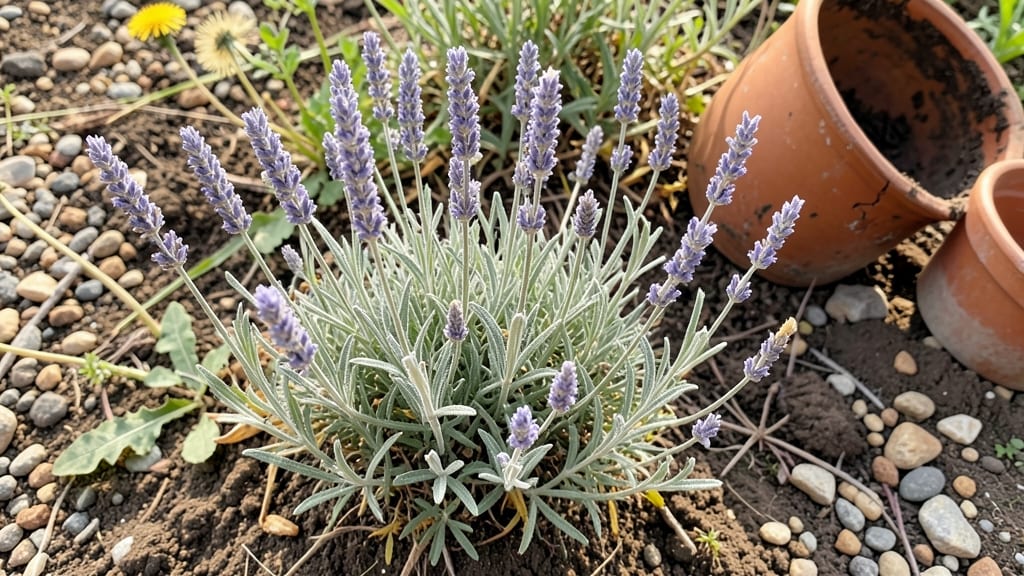
A Mediterranean style garden isn't just a yard—it's a sun-drenched escape where lavender hums with bees and stone pathways guide you through fragrant herb borders. I fell for this look after visiting a Provençal village, where every terrace overflowed with rosemary and olive trees swayed under pale blue skies.
The real magic lies in how effortlessly it blends rugged charm with lush greenery, even in hot, dry climates.
You'll want terracotta pots overflowing with herbs, rough-hewn stone borders, and maybe a pergola draped with wisteria for shade. The color palette stays earthy—think warm whites, sandy beiges, and pops of sage green—while drought-tolerant plants like thyme and oregano handle the heat without fuss.
Even in cooler zones, you can adapt by choosing cold-hardy lavender varieties and swapping olive trees for ornamental grasses.
What you end up with is a space that feels both timeless and alive—where you can sip coffee under a grapevine arbor or harvest fresh rosemary for cooking. The scent of crushed lavender on a summer breeze is the real reward, paired with that satisfying crunch of gravel underfoot.
This isn't just gardening; it's creating a retreat that works as hard as it looks beautiful.
From coastal California to the Southwest, the principles stay the same: prioritize texture over color, mix hardscape with soft plants, and let the sun do most of the work. Start small with a single herb spiral or stone bench—your Mediterranean oasis will grow organically from there.
📚 In This Guide
- What you need
- Instructions
- Tips and common mistakes
- Wrapping up and next steps
What you need
- ● Stone & Gravel: Flagstone or slate tiles (10–20 sq. ft., depending on pathway size)
- ● Crushed limestone or pea gravel (5–10 bags, 50 lbs each)
- ● Sand (2–3 bags, 40 lbs each, for leveling)
- ● Plants & Herbs: Olive trees (1–2, 1–3 ft. tall, in containers or bare-root)
- ● Rosemary, lavender, thyme, and oregano (5–10 plants, 4" pots)
- ● Citrus trees (1–2, dwarf varieties like Meyer lemon or lime)
- ● Lavender shrubs (3–5 plants, 1-gallon pots)
- ● Drought-tolerant perennials (e.g., salvia, agave, or sedum, 3–5 plants)
- ● Containers & Structures: Terracotta pots (3–6, 12"–16" diameter)
- ● Wooden trellises (1–2, 4'–6' tall, for climbing plants like jasmine)
- ○ Wrought-iron or bamboo garden furniture (optional but iconic!)
- ● Soil & Amendments: Well-draining potting mix (2–3 cubic feet)
- ● Compost or aged manure (1–2 bags, for enriching soil)
- ● Garden trowel (for planting)
- ● Wheelbarrow (for hauling materials)
- ● Rubber mallet (for setting stones)
- ● Level (to ensure pathways are even)
- ● Pruners (for shaping plants)
- ● Hose with adjustable nozzle (for watering)
- ● Gloves (heavy-duty for gravel/stone work)
- ● Measuring tape (for layout planning)
- ● Outdoor string lights or lanterns (for ambiance)
- ● Hand-painted ceramic pots (for a splash of color)
- ● A small fountain or birdbath (for soothing water features)
- ● Dried herbs (hanging bundles for kitchen use)
- ● Olive oil soap or citrus-scented candles (for that authentic Mediterranean vibe)
Instructions: designing your Mediterranean style garden
A sunlit retreat with fragrant herbs and timeless stone pathways starts with thoughtful planning.
Define Your Garden Layout and Zones
Sketch a rough outline of your space, noting sun exposure patterns throughout the day. Mediterranean gardens thrive in full sun, so prioritize areas receiving at least 6-8 hours of direct sunlight. Divide your design into functional zones: a herb garden near the kitchen, a seating area with shade, and a pathway that guides visitors through the space.
Use a tape measure to mark boundaries for each zone. I like to create a central focal point, like a small fountain or olive tree, around which the rest of the garden unfolds. This creates natural balance and draws the eye. Keep pathways 3-4 feet wide for comfortable walking, and arrange plants in loose clusters rather than rigid rows for that relaxed Mediterranean feel.
Prepare the Soil and Install Pathways
Clear the area of weeds and debris, then loosen the soil to a depth of 12 inches using a garden fork. Mediterranean gardens favor well-draining soil, so amend heavy clay with sand or gravel if needed. Spread a 2-3 inch layer of coarse sand over the soil surface to improve drainage and reduce compaction.
For pathways, lay down flagstone or cobblestones in a herringbone or staggered pattern for durability and visual appeal. Use a rubber mallet to tap stones into place until they sit flush with the ground. Leave 1-2 inch gaps between stones and fill them with crushed gravel to allow water to drain away from plant roots. This prevents soggy soil and root rot, which Mediterranean plants despise.
Plant Fragrant Herbs and Low-Maintenance Shrubs
Begin by planting herbs like rosemary, thyme, and lavender in clusters of 3-5 plants spaced 18-24 inches apart. These thrive in full sun and poor soil, making them perfect for the Mediterranean aesthetic. Dig holes twice as wide as the root ball but no deeper, then place each plant so the top of the root ball sits even with the soil surface. Backfill with native soil and water deeply to settle roots.
Add low-maintenance shrubs like olive trees, bay laurels, or dwarf citrus as structural elements. These provide height, texture, and year-round interest. Space them 6-8 feet apart to allow for mature growth. Mulch around plants with 3-4 inches of gravel or crushed stone to suppress weeds and retain moisture without smothering roots.
Add Water Features and Seating Areas
Incorporate a small fountain or shallow pool to create a tranquil focal point. Even a simple tiered stone basin with a gentle water feature adds the Mediterranean touch of liquid relaxation. Position it where you can hear the sound from your seating area. Use pebbles or smooth river rocks around the water feature to blend it naturally into the landscape.
Create a shaded seating area with a pergola or arbors draped with wisteria or jasmine for fragrant shade. Arrange wrought-iron or wooden furniture in a semi-circle around a low table for an intimate gathering spot. Plant climbing roses or bougainvillea nearby to add color and soften the space. This area should feel like an extension of your home, so keep it simple and inviting.
Incorporate Lighting and Finishing Touches
Install solar-powered path lights or lanterns along walkways to highlight the stonework and create a magical evening ambiance. Place them every 3-4 feet along pathways and around seating areas. For a rustic touch, use black metal or wrought-iron fixtures that complement the Mediterranean theme.
Add potted citrus trees or olive trees near seating areas for year-round interest. Scatter terracotta pots with lavender, rosemary, or geraniums throughout the space for pops of color and fragrance. Finally, incorporate sculptural elements like bronze statues or mosaic tiles to add personality. Step back and admire your work—your sunlit retreat is now complete!
Tips & tricks for perfect Mediterranean style garden design
Creating your sunlit Mediterranean retreat comes down to these thoughtful details that elevate the whole experience.
Sunlight is Everything: When mapping your zones in Step 1, use a simple trick to track sunlight—mark your garden with stakes at different times of day to see how shadows shift. Mediterranean plants need that full sun, so prioritize the 6-8 hours of direct sunlight in your herb garden and shrub areas. I've seen many gardens fail because they didn't account for afternoon shade creeping in unexpectedly.
Pathway Precision: For the 3-4 feet wide pathways in Step 2, I recommend using a string line and stakes to create perfectly straight edges before laying stones. This ensures your herringbone pattern looks intentional rather than haphazard. Also, test-fit your stones before setting them permanently—this prevents that "oops, doesn't match" moment when you're halfway through installation.
Planting Clusters: The 3-5 plant clusters of herbs in Step 3 should feel natural, not forced. I like to group odd numbers (3 or 5) rather than even numbers for organic visual appeal. When planting, dig holes twice as wide but only as deep as the root ball—this prevents root crowding and encourages better growth. For the 6-8 feet spacing of shrubs, use a measuring tape to mark planting locations before digging.
Water Feature Placement: When adding your water feature in Step 4, position it where you'll hear the sound from your seating area but not so close that it gets splashed. I've found that placing it about 8-10 feet from the seating area creates that perfect balance of visual focus and auditory relaxation. Also, use the same stone material for the water feature edges as your pathways to maintain visual harmony throughout the space.
Pro Tips for Mediterranean Style Garden
- Creating your sunlit Mediterranean retreat comes down to these thoughtful details that elevate the whole experience.
- Sunlight is Everything: When mapping your zones in Step 1, use a simple trick to track sunlight—mark your garden with stakes at different times of day to see how shadows shift.
- Pathway Precision: For the 3-4 feet wide pathways in Step 2, I recommend using a string line and stakes to create perfectly straight edges before laying stones.
Frequently asked questions
Got questions about creating your own Mediterranean-style garden? Here are some of the most common ones—and their answers—to help you get started on your sunlit retreat!
What are the key elements of a Mediterranean garden?
A Mediterranean garden thrives on sunlight, drought-tolerant plants, and natural materials. Think lavender, rosemary, and olive trees; terracotta pots and stone pathways; and water features like fountains or shallow pools. The goal is to mimic the relaxed, rustic charm of regions like Italy, Greece, or Spain—with low-maintenance flair!
Can I create a Mediterranean garden in a small space?
Even a tiny balcony or patio can shine with Mediterranean style. Opt for vertical gardens, container plants (like herbs in terracotta pots), and minimalist stone accents. Focus on fragrant herbs (basil, thyme) and dwarf varieties of Mediterranean shrubs. A small fountain or even a decorative bowl of water adds that signature touch without taking up space.
What’s the best time of year to plant a Mediterranean garden?
The ideal time is early spring or early fall when temperatures are mild. Mediterranean plants thrive in heat but hate frost, so avoid planting in late spring or summer when soil can dry out quickly. If you’re in a warmer climate, you can plant year-round—but always water deeply after planting to help roots establish.
How do I keep my Mediterranean garden low-maintenance?
Mediterranean gardens are designed to be drought-resistant and easy to care for. Here’s how:
- Mulch heavily (use gravel or wood chips) to retain moisture and suppress weeds.
- Group plants with similar water needs together.
- Choose native or adapted plants that naturally thrive in your climate.
- Prune herbs and shrubs lightly in early spring to encourage bushy growth.
What if my soil isn’t ideal for Mediterranean plants?
Don’t worry—Mediterranean plants are adaptable! If your soil is heavy clay or too rich, amend it with sand or gravel to improve drainage. For containers, use a well-draining potting mix (like cactus/succulent mix). Most Mediterranean plants prefer poor, rocky soil, so avoid over-fertilizing. If drainage is the issue, raised beds or containers are a great workaround!
Wrapping up and next steps
A Mediterranean style garden isn’t just a backyard—it’s a sun-drenched escape that blends beauty, simplicity, and functionality. With fragrant herbs, rustic stone pathways, and vibrant blooms, you’ve got everything you need to create a serene, inviting space that feels like a vacation every day. 🌿✨
Ready to bring this timeless charm to life? Start small: sketch your design, gather a few key materials, and take that first step toward your dream garden. Your tranquil retreat is just a shovel’s throw away!