
Container Gardens
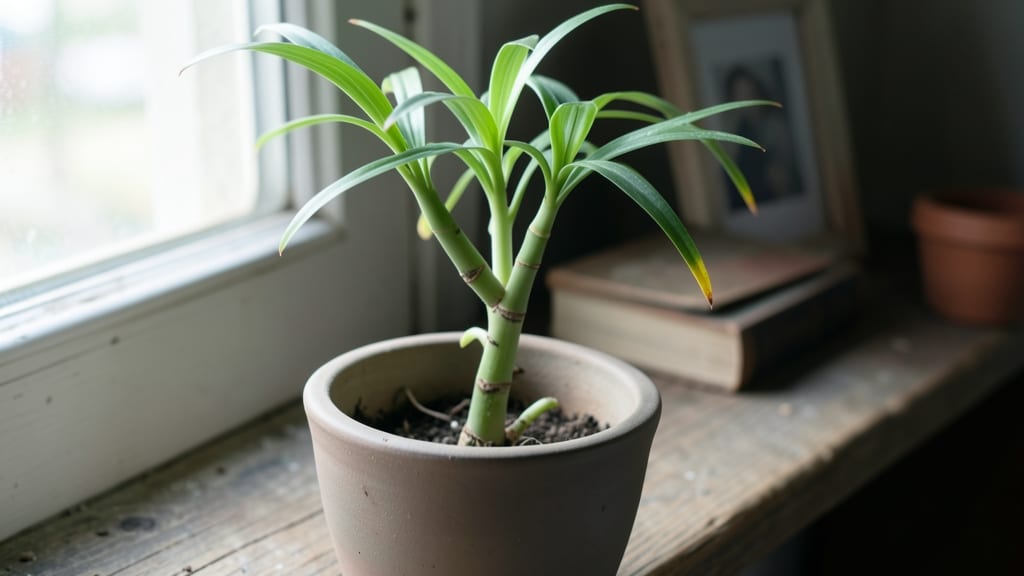
A bamboo garden in Chicago thrives with cold-hardy varieties like Bambusa multiplex or Fargesia robusta, which handle USDA Zone 5-6 winters and urban pollution while delivering year-round privacy and lush greenery.
A bamboo garden in Chicago isn't just about aesthetics—it's about resilience. 🌿 These cold-tolerant varieties survive Chicago's harsh winters and thrive in urban environments where pollution and compacted soil might challenge other plants.
The key is choosing clumping types like Fargesia, which stay contained and won't spread aggressively, making them perfect for small yards or container growing. I've seen these beauties maintain their vibrant foliage even after late-season frost, proving they're built for Midwestern conditions.
What sets these varieties apart is their ability to adapt to Chicago's unique climate challenges. The running types like Bambusa grow taller and faster but require careful root barriers, while the slower-growing Fargesia clumpers need less maintenance.
Both options bring that sought-after tropical vibe while being tough enough to handle our unpredictable weather patterns.
💡 In This Article
- Cold-Hardy Bamboo Species for Chicago Gardens
- Designing a Low-Maintenance Urban Bamboo Garden
Cold-hardy bamboo species for Chicago gardens
Chicago's climate—with its brutal winters (-20°F to 90°F swings) and urban pollution—demands bamboo species with specific adaptations. The key difference lies in growth habits: clumping bamboo like Fargesia robusta forms tight clusters, while running bamboo like Bambusa multiplex spreads via underground rhizomes.
Clumpers thrive because their compact growth minimizes winter desiccation, while runners need more protection from cold winds that dry out exposed rhizomes.
The science behind this involves USDA Zone 5-6 hardiness. Fargesia species, native to China's mountainous regions, evolved to handle -15°F temperatures through thick culm walls and dormant buds. Their evergreen nature means they photosynthesize year-round, converting sunlight into energy even under snow.
In contrast, Bambusa multiplex (a running type) loses leaves in winter but regrows quickly in spring due to its tropical origins—though it requires 3-4 inches of mulch to survive Chicago's freeze-thaw cycles.
Temperature fluctuations create another challenge. Chicago's rapid spring thaws can cause rhizome rot in poorly drained soil, while summer heat waves stress bamboo without adequate moisture. Fargesia handles this better with its shallow but extensive root network that absorbs water efficiently.
The trade-off? It grows 3-5 feet per year—slower than runners but more stable for urban gardens where space is limited.
Here's what most gardeners overlook: leaf structure matters. Fargesia has smaller, leathery leaves that reduce water loss, while Bambusa leaves are larger and more prone to wind damage.
In Chicago's Zone 5 winds, the Fargesia's compact form also means less breakage during ice storms—a critical factor for long-term survival.
Consider these key factors when choosing:
- Winter hardiness: Fargesia nitida survives -25°F with proper mulching
- Growth rate: Bambusa multiplex reaches 20 feet in 5 years (needs barriers)
- Pollution tolerance: All Fargesia species filter airborne particles better than Bambusa
For maximum resilience, pair Fargesia robusta with acidic compost (pH 5.5-6.5) and plant in morning sun with afternoon shade. The result? A bamboo garden that stays lush through Chicago's harshest seasons while requiring minimal winter care. 💫