
Tools
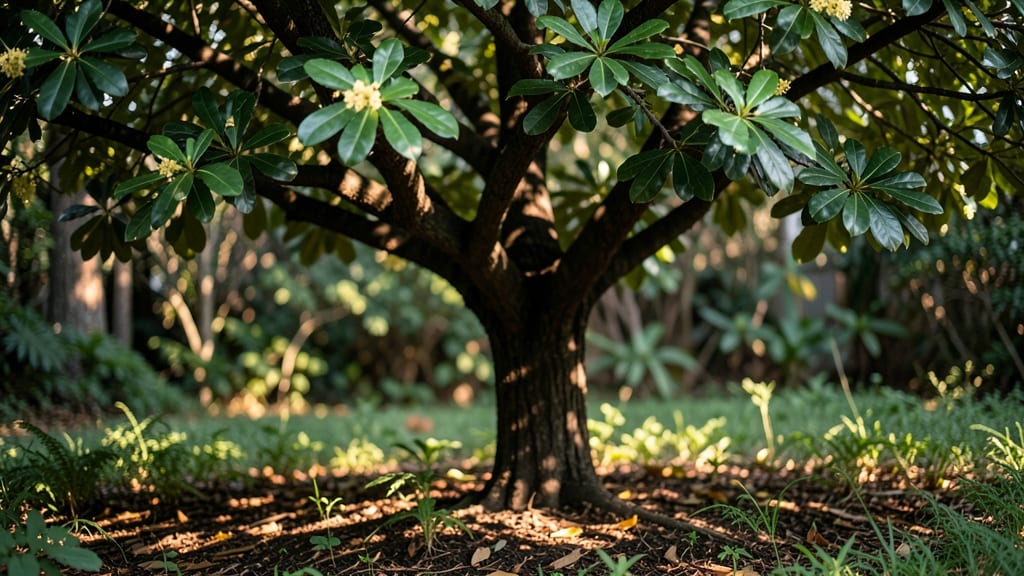
Transforming tiny urban spaces into lush, Singapore-style tree gardens starts with layering plants like a forest in miniature. 🌿 I’ve designed these compact canopies in high-rise courtyards and balconies, proving you don’t need acres to create a tropical escape.
The key? Matching shade-tolerant species like the Ficus microcarpa (Singapore’s national tree) with fast-growing vines and ground covers that thrive in Singapore’s humid heat.
This system works in 5-gallon pots or vertical planters, so even a 6x6-foot patio becomes a jungle oasis. Start with a sturdy central tree for height, then weave in shrubs like Alstonia scholaris (milkwood) and trailing Peperomia prostrata for texture.
The result? A self-shading ecosystem that stays lush with minimal watering—perfect for Singapore’s 80% humidity and occasional dry spells.
By mid-year, you’ll have a three-layered canopy—tall trees, mid-height shrubs, and cascading foliage—that cools the air and blocks harsh sunlight. The best part? Your neighbors will think you’ve got a secret garden, while you’re just working with nature’s vertical real estate. Let’s build this step by step.
Works for balconies, rooftops, or even office lobbies—just adjust plant sizes to your space. The principles stay the same: layer, shade, and repeat. Ready to turn concrete into canopy?
📚 In This Guide
- What you need
- Instructions
- Tips and common mistakes
- Wrapping up and next steps
What you need
- ● Soil: 50 lbs of well-draining, nutrient-rich potting mix (e.g., 60% peat moss, 20% perlite, 20% compost). For larger plants, use 10+ gallons per tree.
- ● Tropical Plants: Canopy Layer (Top): 1-2 mature trees (e.g., Ficus benjamina or Peltophorum pterocarpum; 6–10 ft tall).
- ● Understory Layer (Mid): 3–5 shrubs (e.g., Schefflera actinophylla or Ixora; 3–6 ft tall).
- ● Ground Cover (Bottom): 10+ low-growing plants (e.g., Fittonia, Peperomia, or Mondo Grass).
- ● Mulch: 3–5 bags of organic mulch (e.g., shredded bark or coconut coir) to retain moisture.
- ● Hand trowel & gardening gloves (for precision planting).
- ● Pruners (sharp, sterilized) for trimming.
- ● Watering can (or hose with gentle spray nozzle) for deep hydration.
- ○ Optional but helpful: Soil pH tester (aim for 6.0–7.0 for tropical plants).
- ● Slow-release fertilizer (e.g., Osmocote for 3–6 months).
- ● Trellis or support stakes for vines (e.g., Philodendron).
- ● Space: Minimum 10 sq ft per tree (adjust for multi-layered designs).
- ● Sunlight: Confirm your spot gets 4+ hours of indirect light daily (critical for tropicals!).
- ● Drainage: Ensure containers have drainage holes or your ground bed slopes away from structures.
- ● Climate Check: Verify your zone matches your plant choices (e.g., USDA 10–12 for true tropicals).
Step-by-Step instructions for creating a Singapore-style tree garden
Here’s how to craft a lush, multi-layered tropical canopy in tight urban spaces—just like Singapore’s iconic gardens.
🌱 Step 1: Plan Your Canopy Layers and Select Species
Singapore’s tree gardens thrive by stacking plants in vertical layers: tall emergents (30+ feet), mid-canopy trees (15-30 feet), understory shrubs (6-12 feet), and ground covers (under 6 feet). For urban spaces, choose compact varieties like Ficus microcarpa (strangler fig) for emergents, Syzygium malaccense (Malay apple) for mid-canopy, and Heliconia for bold foliage accents.
Sketch a simple layout before planting. I always mark mature heights on my plan—this prevents overcrowding later. Use a 4-foot spacing rule between trees: larger plants need more room for roots to spread without competing. If your space is under 10 feet wide, focus on 1-2 mid-canopy trees with trailing vines or shrubs filling gaps.
🪴 Step 2: Prepare Soil and Plant in Layers
Amend native soil with 3 inches of compost and 1 part perlite to improve drainage—Singapore’s tropical climate demands well-draining media to prevent root rot. For containers, use a 50/50 mix of potting soil and orchid bark to mimic the airy, moisture-retentive conditions these plants love.
Start with your tallest plants first. Dig holes twice as wide as the root ball and just as deep. Place each tree, then backfill with native soil mixed with 1 cup of slow-release fertilizer per plant. Water deeply to settle roots, then add mulch (2 inches thick) to retain moisture and suppress weeds. I always mulch with wood chips—they break down slowly and improve soil structure over time.
☀️ Step 3: Layer Light and Water Strategically
Tropical plants need dappled shade to full sun, depending on the species. In Singapore’s design, taller trees cast moving shadows that protect understory plants from harsh afternoon sun. If your urban space gets less than 6 hours of sunlight, supplement with a shade cloth (30-50%) during peak hours to prevent leaf scorch.
Water deeply 2-3 times per week until establishment (first 6-8 weeks), then taper to once weekly once roots are established. Check soil moisture by sticking your finger 2 inches deep—if it’s dry, water again. Overhead watering can cause fungal issues, so I use drip irrigation for containers and soaker hoses for in-ground plantings.
🌿 Step 4: Prune and Train for Structure
Prune emergents and mid-canopy trees in late winter (just before new growth) to remove dead wood and shape the canopy. For Heliconia and other bold foliage plants, pinch back flowering stems after blooms fade to encourage bushier growth. I always sanitize pruners with rubbing alcohol between cuts to prevent disease spread.
Train vines like Mucuna or Passiflora to climb trellises or nearby tree trunks using soft garden twine. Avoid metal ties—they can damage bark as plants grow. In Singapore’s gardens, vines often weave through tree canopies, creating natural shade for ground covers below. If your space is tight, let vines trail along fences or walls instead.
⏰ Step 5: Maintain Year-Round with Seasonal Care
Fertilize twice yearly: once in early spring with a balanced 10-10-10 formula and again in early summer with a low-nitrogen, high-phosphorus blend to encourage blooms. In Singapore’s climate, plants grow year-round, so I avoid heavy fertilizing in monsoon season (November–January)—the extra moisture can burn roots.
Monitor for pests like mealybugs or scale, which thrive in tropical humidity. I treat infestations with neem oil spray (1 tsp per quart of water) applied in the early evening to avoid harming beneficial insects. Mulch annually to replenish organic matter, and rotate ground covers every 2-3 years to prevent soil depletion.
Tips & tricks for perfect Singapore-style tree gardens
Creating a tropical canopy in limited urban spaces takes strategic planning—and these insights will help you avoid common pitfalls while maximizing your garden's potential.
Species Selection Strategy: When choosing your Ficus microcarpa or Syzygium malaccense, prioritize slow-growing varieties for tight spaces. I've found that container-grown specimens establish faster than field-grown ones, giving you a head start on that critical 6-8 week establishment period. For bold foliage accents like Heliconia, select varieties that thrive in partial shade—they'll complement your mid-canopy trees beautifully while requiring less direct sunlight.
Soil Preparation Pro Tip: The 3 inches of compost and perlite mix in Step 2 isn't just about drainage—it's about creating that perfect air-to-water ratio tropical plants crave. For containers, I recommend adding a handful of orchid bark to the bottom before your potting mix. This creates a natural air pocket that prevents root suffocation while mimicking Singapore's forest floor conditions. Don't skip this layer—it's what makes the difference between thriving plants and struggling ones.
Watering Wisdom: The 2-3 times per week watering schedule in Step 3 works perfectly in Singapore's climate, but urban microclimates can vary dramatically. In hotter areas, you might need daily watering during the first 6-8 weeks. I always check soil moisture at 2 inches deep—if it's dry at that depth, water again. For containers, I've found that adding a moisture meter (around $15) prevents both underwatering and overwatering, two of the most common mistakes with tropical plants.
Pruning Precision: That late winter pruning window in Step 4 is your best opportunity to shape your canopy while encouraging new growth. When pruning Heliconia stems, make cuts just above a leaf node at a 45-degree angle. This encourages bushier growth and prevents those unsightly stubs. For larger trees, I use a bypass pruner—it gives you more control than loppers, which can crush delicate branches. And remember: always sanitize your tools between cuts to prevent spreading diseases like anthracnose, which can devastate tropical plants.
Pro Tips for Singapore Tree Garden
- Creating a tropical canopy in limited urban spaces takes strategic planning—and these insights will help you avoid common pitfalls while maximizing your garden's potential.
- Species Selection Strategy: When choosing your Ficus microcarpa or Syzygium malaccense, prioritize slow-growing varieties for tight spaces.
- Soil Preparation Pro Tip: The 3 inches of compost and perlite mix in Step 2 isn't just about drainage—it's about creating that perfect air-to-water ratio tropical plants crave.
Frequently asked questions
Got questions about designing a Singapore Tree Garden for your compact urban space?
Here are answers to the most common ones to help you plan like a pro!
What are the best low-maintenance trees for a Singapore Tree Garden?
Opt for native or adapted species like the Peltophorum pterocarpum (Yellow Flame Tree) or Delonix regia (Flamboyant). These thrive in tropical climates, require minimal pruning, and support local wildlife. Pair them with ground covers like Portulaca grandiflora (Moss Rose) to reduce upkeep while maximizing lushness.
How long does it take to establish a multi-layered canopy?
Expect 2–5 years for full maturity, depending on species. Fast-growing trees like Albizia falcataria (Rain Tree) can fill gaps in 2–3 years, while slower growers like Ficus benjamina (Weeping Fig) may take 5+ years. Plan for staggered planting to create instant visual impact while ensuring long-term structure.
What’s the cost range for materials and professional installation?
Costs vary widely:
- DIY: $50–$200 per tree (nursery prices) + $100–$300 for soil amendments and mulch.
- Professional: $500–$2,000+ per tree (including planting, staking, and initial pruning). Factor in 20–30% more for urban spaces with limited access or soil challenges.
Pro tip: Split costs by joining a community garden or partnering with local arborists for bulk discounts!
How do I protect my garden from Singapore’s heavy rainfall?
Improve drainage with swales (shallow trenches) and permeable paving for pathways. Use raised beds for delicate ground covers and mulch heavily (3–4 inches) to prevent erosion. For container gardens, ensure pots have drainage holes and elevate them slightly to avoid waterlogging.
Can I create a Singapore Tree Garden in a small balcony or rooftop?
Use container gardening with dwarf or variegated species like Schefflera actinophylla (Umbrella Tree) or Dracaena marginata (Dragon Tree). Stack vertical gardens or hanging planters to maximize layers. Just ensure your containers are at least 12–18 inches deep and use lightweight, well-draining soil mixes.
Wrapping up and next steps
Designing a Singapore Tree Garden proves that even in compact urban spaces, nature can thrive in stunning, multi-layered beauty. By embracing canopy layers—from towering keruing trees to lush ground covers—you create a thriving ecosystem that’s both functional and breathtaking.
Whether you’re a homeowner or a city planner, this approach turns small areas into vibrant, sustainable havens.
Ready to bring your green vision to life? Start by sketching your space, selecting native plants, and connecting with local experts for tailored advice. Every leaf you plant is a step toward a greener, cooler, and more joyful urban future! 🌿✨