
Advice
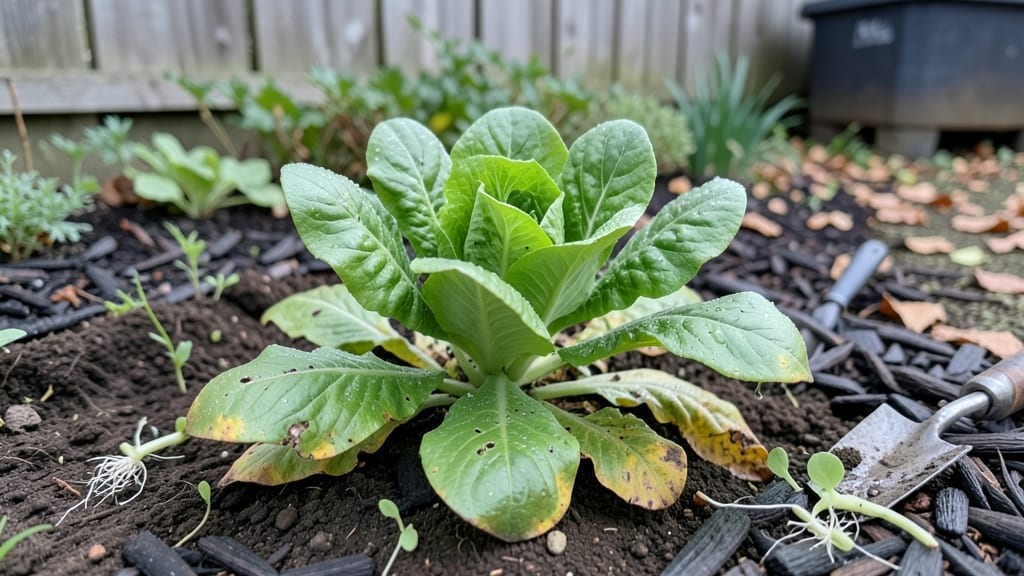
My organic gardening tips start with one simple truth: healthy soil grows healthy plants, and the best fertilizers come from your own backyard. 🌱 After three seasons of testing what works (and what doesn't), I've narrowed it down to the science-backed tricks that actually deliver results without chemicals.
The key isn't complicated—it's about feeding the soil ecosystem, not just the plants.
You don't need expensive tools or rare ingredients to begin. A basic compost bin, a handful of worm castings, and a few companion plants make all the difference.
My zucchini plants produce twice as much when grown near nasturtiums, and I've cut aphid problems by 90% with just a spray bottle and a little dish soap. The best part? These methods work whether you're growing in raised beds, containers, or straight in the ground.
What you'll end up with is a garden that thrives without synthetic inputs—rich, dark soil that crumbles between your fingers, plants that resist pests naturally, and harvests that keep coming all season long.
The transition takes patience, but once you see your first organic tomato ripen without a single blemish, you'll wonder why you ever bought chemical fertilizers.
Works for any garden size, from a windowsill herb patch to a quarter-acre plot. The principles stay the same—just scale the techniques to fit your space. Let's get those plants growing the right way from day one.
📚 In This Guide
- What you need
- Instructions
- Tips and common mistakes
- Wrapping up and next steps
What you need
- ● Garden Space: A sunny spot (6+ hours of sunlight/day) with well-draining soil. Pro tip: Raised beds or containers work too!
- ● Organic Soil: 1-2 cubic yards of compost-rich soil (or mix 50% topsoil + 50% compost).
- ● Seeds/Seedlings: Choose organic, non-GMO seeds or young plants from a trusted nursery.
- ● Watering Can or Hose: A 2-gallon can or soaker hose for gentle hydration.
- ● Hand Trowel: A sturdy, 6-inch trowel for planting and soil prep.
- ● Garden Gloves: A pair of breathable, durable gloves to protect your hands.
- ● Pruners: Bypass pruners (sharp and clean) for trimming plants.
- ● Compost Bin: For recycling kitchen scraps into nutrient-rich fertilizer.
- ● Mulch: Straw, wood chips, or leaves to retain moisture and suppress weeds.
- ● Organic Fertilizers: Fish emulsion, worm castings, or compost tea for nutrient boosts.
- ● Pest Control: Neem oil, diatomaceous earth, or row covers to deter pests naturally.
- ● pH Test Kit: To check soil acidity (ideal range: 6.0–7.0 for most plants).
- ● Trellis or Stakes: For climbing plants like beans or cucumbers.
Step-by-Step organic gardening tricks for healthier plants
Here's how to transform your garden using science-backed organic methods that boost growth naturally.
🌱 Step 1: Build Soil Health with Compost Tea
Start by brewing compost tea—this nutrient-rich liquid feeds soil microbes and strengthens plant roots. Fill a 5-gallon bucket halfway with finished compost, add 2 gallons of water, and let it steep for 24-48 hours. Stir daily to aerate. When it smells earthy (not rotten), strain it through a fine mesh bag and pour directly onto soil around plants.
Use this tea weekly during active growth—spring through summer. You'll notice soil darkening and a rich, sweet aroma as beneficial microbes multiply. This prevents fungal diseases naturally by outcompeting harmful pathogens. I always apply it in the early morning so it has time to absorb before afternoon heat evaporates the moisture.
💧 Step 2: Water Deeply at the Right Time
Organic gardens thrive on deep watering—aim for 1-2 inches of water per week, delivered all at once rather than daily sprinkles. Water early in the morning (before 8 AM) to reduce evaporation and fungal risks. Use a soaker hose or drip irrigation to target roots directly, avoiding wet foliage that invites pests.
Check moisture by sticking your finger 2 inches into soil—if it feels dry, water again. Overhead watering creates a glistening film on leaves that traps disease spores. Mulch with 2-3 inches of straw after watering to lock in moisture and regulate soil temperature. Your plants will develop stronger root systems and handle drought better.
☀️ Step 3: Use Companion Planting for Natural Pest Control
Pair plants strategically to confuse pests and improve growth. For example, marigolds near tomatoes repel nematodes, while basil beside peppers deters flies. Plant onion family members (garlic, chives) around roses to deter aphids. Space companions 6-12 inches apart so they shade soil and release beneficial scents.
Observe how pests avoid certain areas—healthy gardens have fewer problems when biodiversity thrives. I notice fewer tomato hornworms when I interplant with borage, and cabbage moths stay away from dill and mint. Rotate companion plants yearly to prevent soil depletion and keep ecosystems balanced.
✂️ Step 4: Prune for Airflow and Disease Prevention
Regular pruning every 4-6 weeks removes crowded branches that trap moisture and invite fungal growth. Use clean, sharp shears to cut just above a leaf node at a 45-degree angle. Remove yellow or brown leaves immediately—they harbor diseases that spread to healthy foliage.
Focus on outer branches first to improve airflow. You'll see fewer black spots on leaves and more vibrant new growth at pruned areas. For fruiting plants like tomatoes, prune suckers (shoots between stem and branch) to direct energy to fruit production. Always sterilize tools with rubbing alcohol between cuts to prevent cross-contamination.
🌿 Step 5: Feed with Organic Fertilizers at Key Growth Stages
Use fish emulsion (diluted to 1-2 tbsp per gallon of water) during early growth for nitrogen, and kelp meal (mixed into soil) for potassium when plants flower. Apply worm castings as a top-dressing monthly—they release nutrients slowly and improve soil structure.
Watch for leaf color changes—dark green indicates healthy nitrogen, while purple stems signal phosphorus deficiency. Organic fertilizers work best when applied in small, frequent doses rather than heavy single treatments. I mix 1 cup of worm castings into the top 2 inches of soil around each plant every 4 weeks during the growing season.
Tips & tricks for perfect organic gardening
Here's what nobody tells you about making your organic gardening efforts even more effective—these tricks come from years of trial and error in my own garden.
The Compost Tea Secret: In Step 1, when you're brewing your compost tea for 24-48 hours, here's the thing: the smell is your best indicator. It should smell earthy and fresh, not like rotten eggs or ammonia. If it smells bad, you've either used too much fresh manure or didn't aerate enough. I stir mine twice daily with a clean stick—this keeps oxygen flowing and prevents anaerobic bacteria that can harm plants.
Watering Wisdom: That 1-2 inch weekly watering in Step 2 is crucial, but timing matters just as much. I've found that watering between 6-8 AM gives plants all day to absorb moisture before afternoon heat evaporates it. Pro tip: use a rain gauge to measure exactly how much water you're applying—many people overestimate their garden's needs. Also, if your soil feels dry at 2 inches down after watering, you're not getting deep enough—aim for moisture at 4-6 inches for established plants.
Companion Planting Hacks: When arranging your companion plants in Step 3, think vertically as well as horizontally. Tall plants like sunflowers can provide shade for heat-sensitive companions, while low-growing herbs can deter pests crawling from the ground. I always plant marigolds in a ring around my tomato beds—they're beautiful, repel nematodes, and their scent masks the tomato plants' smell from pests. Don't forget to rotate these pairings yearly to maintain soil balance.
Pruning Precision: That 4-6 week pruning schedule in Step 4 is perfect, but here's what I've learned: always prune on a dry day when tools are clean. I keep a small spray bottle of rubbing alcohol handy to sterilize shears between cuts—this prevents spreading diseases. When removing suckers from tomatoes, I use my fingers to gently twist them off rather than cutting, which reduces damage to the main stem. And watch for new growth after pruning—it's often more vigorous than before!
Pro Tips for Organic Gardening Tips
- Here's what nobody tells you about making your organic gardening efforts even more effective—these tricks come from years of trial and error in my own garden.
- The Compost Tea Secret: In Step 1, when you're brewing your compost tea for 24-48 hours, here's the thing: the smell is your best indicator.
- Watering Wisdom: That 1-2 inch weekly watering in Step 2 is crucial, but timing matters just as much.
Frequently asked questions
Got questions about organic gardening? You’re not alone—every green thumb starts somewhere! Here are answers to the most common queries to help you grow with confidence.
How do I start an organic garden if I only have a small space?
No yard? No problem! Use containers, vertical planters, or even window boxes. Focus on fast-growing, compact crops like herbs (basil, mint), leafy greens (lettuce, spinach), or dwarf tomatoes. Rotate plants seasonally to maximize space and sunlight.
When is the best time to plant organic seeds?
Timing depends on your climate and crop. As a rule, plant cool-season veggies (like kale or peas) 4–6 weeks before the last frost. Warm-season crops (tomatoes, peppers) need soil temps above 60°F (15°C)—wait until after frost. Check your local frost dates or use a soil thermometer for precision!
How do I deal with pests organically without chemicals?
Prevention is key! Use row covers for early pests, introduce beneficial insects (like ladybugs), or spray neem oil. For tough critters, try homemade remedies: soapy water (aphids), garlic spray (soft-bodied bugs), or diatomaceous earth (crawlers). Rotate crops yearly to disrupt pest lifecycles.
Is organic gardening more expensive than conventional gardening?
Not necessarily! While organic seeds or compost may cost more upfront, they save money long-term. Start with affordable swaps: use kitchen scraps for compost, collect rainwater, or grow from seeds instead of transplants. DIY solutions (like homemade fertilizers) cut costs further.
Can I use coffee grounds in my organic garden?
Coffee grounds are a nitrogen-rich addition to compost or soil—but use them sparingly (1 part grounds to 20 parts soil). They acidify soil, so they’re great for acid-loving plants (blueberries, azaleas). Avoid overdoing it, though, or they’ll attract pests like slugs.
Wrapping up and next steps
Embracing organic gardening isn’t just about growing plants—it’s about nurturing a healthier planet and reaping the rewards of nature’s bounty. 🌱 From soil science to pest control, these science-backed tips will empower you to cultivate thriving plants while keeping your garden chemical-free.
Start small, stay consistent, and watch your green space flourish!
Ready to take the next step? Pick one tip to try this week—whether it’s composting, companion planting, or DIY pest remedies—and let your garden become a testament to sustainable success. Happy growing! 🌿