
Advice
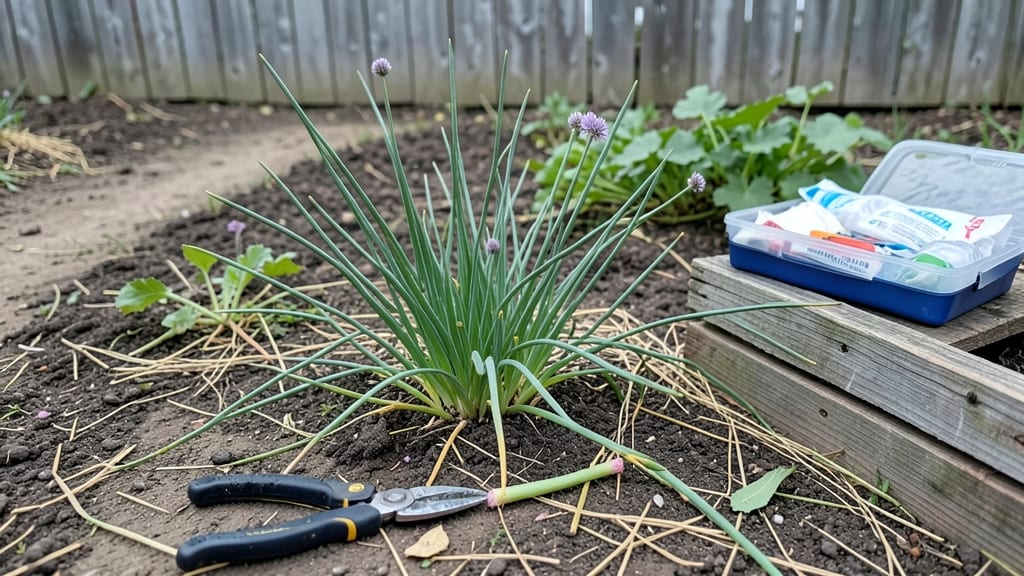
Gardening safety tips start with treating your tools like weapons—not because they are, but because a slip with a shovel can send you to the ER faster than you can say "back strain."
I've twisted my knee reaching for a trowel, nearly sliced my thumb with a pruner, and once spent a week with a blister the size of a quarter. The good news? Most injuries happen because we skip basic precautions, not because gardening is inherently dangerous.
Your first line of defense is gear you probably already own but don’t always use: sturdy gloves (not the thin ones that tear), closed-toe shoes, and safety glasses when working near your face.
I keep a pair of cut-resistant gloves by my tool shed now—they’ve saved my fingers more times than I can count.
And yes, that includes the time I tried to "just grip it" while cutting back roses and ended up with a thumb that looked like it had been chewed on.
Chemicals deserve extra caution. I learned this the hard way when I mixed pesticides without gloves on a breezy afternoon—my hands itched for days, and my neighbor’s dog got curious about the spray bottle.
Always read labels, store chemicals locked up, and consider organic alternatives like neem oil or insecticidal soap. Your future self (and your pets) will thank you.
Ergonomics matter just as much as gear. Bend at the knees, not the waist, and use wheelbarrows or buckets to move heavy soil or mulch. I used to think "just lift it" was the way, but after hauling bags of compost for years, my back finally said enough.
Now I drag, I don’t carry—and my spine stays happy enough to keep gardening for decades.
Hidden Hazards Exposed
Gardening might seem like a peaceful retreat, but beneath the soil and behind the blooms lurk unseen risks that can turn a relaxing afternoon into a medical emergency. Understanding why these dangers exist is the first step to avoiding them.
Let’s break down the science and circumstances behind common gardening injuries—so you can outsmart them before they strike.
Pests like ticks, mosquitoes, and even fire ants aren’t just annoying—they’re armed with biological weapons. Ticks, for example, inject Borreliella burgdorferi (the bacteria causing Lyme disease) into your skin through their mouthparts while feeding.
Mosquitoes transmit viruses like West Nile by injecting saliva containing anticoagulants to keep your blood flowing while they dine. Why does this happen?
- Tick Tactics: Ticks use questing, a behavior where they extend their legs to latch onto passing hosts (including you). Warm, moist areas like leaf litter or tall grass create the perfect ambush zone.
- Mosquito Math: These insects are drawn to CO₂, body heat, and lactic acid—all of which rise when you’re sweating in the garden. Their proboscis pierces skin in 15 seconds, injecting saliva to prevent clotting.
- Ant Aggression: Fire ants release solenopsins, alkaloid toxins that cause painful stings. They attack in groups when disturbed, especially near mounds or disturbed soil.
Actionable Fix: Wear permethrin-treated clothing (kills ticks on contact) and use DEET or picaridin repellents (disrupts mosquitoes’ ability to detect hosts). After gardening, shower within 2 hours to wash off unattached ticks.
Gardening in extreme heat isn’t just uncomfortable—it’s a physiological challenge. Your body loses water through sweat evaporation, but if humidity is high, this cooling mechanism fails.
Heat exhaustion occurs when your core temperature rises to 104°F (40°C), triggering symptoms like dizziness, nausea, and rapid pulse. Why does this spiral?
- Dehydration Domino Effect: Sweat contains electrolytes (sodium, potassium). Losing them too quickly disrupts nerve signals, leading to muscle cramps and confusion.
- Circulatory Strain: Blood vessels dilate to release heat, but if you’re not hydrating, blood thickens, forcing your heart to work harder. This can trigger heat stroke (a medical emergency where body temp exceeds 106°F/41°C).
- Sunburn’s Role: UV radiation damages skin’s ability to regulate temperature. A sunburned arm absorbs 3x more heat than protected skin.
Actionable Fix:
- 💡 Hydrate proactively: Drink 16 oz of water every 30 minutes, even if you’re not thirsty. Add electrolytes (coconut water or sports drinks) for heavy sweaters.
- ⏰ Time your tasks: Work during early morning or late afternoon (avoid 10 AM–4 PM, when UV index peaks).
- 🧤 Dress for survival: Wear a wide-brimmed hat (blocks 50% more heat than a cap) and light-colored, loose clothing made of moisture-wicking fabric.
Blunt objects don’t cause injuries—they’re just the final act of a chain reaction. Most gardening accidents happen because tools become unpredictable projectiles due to poor grip, fatigue, or misjudged force. What’s the science behind these mishaps?
| Tool | Why It Fails | The Physics |
|---|---|---|
| Pruners | Slippery handles or dull blades | Friction drops 30–50% when blades are dull, requiring more force—which increases the risk of the tool slipping and cutting your hand instead. |
| Shovels | Over-gripping or wet soil | Wet clay soil can double the weight of a shovel load. Your muscles fatigue faster, leading to jerky movements that cause the tool to whip backward. |
| Lawnmowers | Clogged blades or uneven terrain | The centrifugal force of a clogged blade can reach 1,000+ RPM, turning the mower into a spinning missile if you try to force-clear debris. |
Actionable Fix:
- 🔥 Sharpen blades regularly: Dull tools require 40% more effort. Use a file or electric sharpener to maintain a 15–30° angle on pruners.
- 👨🍳 Grip like a pro: Use ergonomic handles or wrap grips with non-slip tape. For shovels, dig with your legs, not your back.
- ⏰ Service machinery: Mow when blades are clean and balanced. Walk backward when discharging grass clippings to avoid kickback.
Not all dirt is created equal—and some hides dangers like sharp rocks, buried debris, or even toxic chemicals. How do these hazards end up in your garden?
- Unearthing the Past: Old construction sites or farmland may contain nails, glass, or metal fragments. These become embedded in tools or pierce bare feet during digging.
- Chemical Time Bombs: Formerly treated soil (e.g., with arsenic-based pesticides or lead paint chips) can leach into garden beds. 30% of urban soils test positive for lead, according to the EPA.
- Fungal Foes: Disturbed soil releases spores from molds like Histoplasma, which causes respiratory infections when inhaled. This is common in chicken manure or compost piles.
Actionable Fix:
- 🔪 Test before you till: Use a soil test kit for heavy metals (especially if your garden is near a road or old house).
- 👟 Protect your feet: Wear sturdy, closed-toe shoes with steel toes if digging in unknown soil.
- 🌡️ Ventilate when composting: Turn piles frequently to reduce spore concentration
Quick Fixes for Common Gardening Hazards
Gardening should be a joyful, rewarding experience—not a source of aches, scrapes, or worse. If you’ve ever dealt with a sore back, unexpected insect bites, or a slippery tool mishap, you know how quickly things can go wrong. The good news?
Most gardening hazards have simple, practical solutions. Below, we’ve mapped out cause-to-fix strategies so you can keep your green thumb and your safety intact. Prevention is key, but when accidents happen, these fixes will save the day.
Cause: Uneven ground, wet soil, or cluttered walkways. Fix It Fast:
- Clear debris 🧹—Remove rocks, sticks, or tools left lying around. A quick sweep with a leaf rake keeps paths tidy.
- Wear grippy shoes 👟—Opt for closed-toe boots or sneakers with deep treads. Avoid flip-flops or smooth-soled shoes.
- Add traction 🪨—Spread mulch or gravel on muddy patches, or lay down rubber mats in high-traffic areas.
- Mark hazards 🚧—Use flags or stakes to highlight uneven spots, especially near raised beds or slopes.
Prevent Future Falls:
- Water lawns or garden beds early in the day so they dry before evening.
- Use non-slip mats under workbenches or potting stations.
- Step carefully near irrigation lines—they can hide under soil and create tripping hazards.
Cause: Unprotected skin or clothing attracts bees, wasps, mosquitoes, and ticks. Fix It Fast:
- Cover up 👕—Wear long sleeves, pants, and a hat with a neck flap. Light colors blend in better than dark ones.
- Spray on repellent 💦—Use EPA-approved insect repellents (like those with DEET or picaridin) on exposed skin. Reapply every 4–6 hours.
- Shake out clothes 🧺—Before putting on outdoor gear, check for spiders or ticks hiding in folds.
- Stay calm if stung ❄️—For bee stings, scrape the stinger out (don’t squeeze!) and apply a cold pack to reduce swelling.
Prevent Bites Long-Term:
- Plant deterrents 🌿—Mint, marigolds, and basil repel many pests naturally.
- Avoid peak hours ⏰—Bees are most active at dawn and dusk; work during cooler parts of the day.
- Check for ticks 🔍—After gardening, shower within 2 hours and do a full-body tick check, especially in warm, hidden areas.
Cause: Poor grip, dull blades, or rushing jobs lead to cuts, bruises, or even tool-related injuries. Fix It Fast:
- Grip tightly 🤲—Use ergonomic handles or wrap tools with grip tape for better control.
- Sharpen blades ✂️—Dull pruners or shears require more force, increasing the risk of slips. Hone them regularly with a file or sharpening stone.
- Store tools safely 🔧—Keep blades pointed downward in a tool belt or wall-mounted organizer to prevent accidental pokes.
- Use gloves 🧤—Heavy-duty gardening gloves protect hands from thorns, blisters, and sharp edges.
Prevent Tool-Related Injuries:
- Never carry tools in your back pocket ❌—This is a major trip hazard.
- Inspect tools before use 🔍—Check for cracks, rust, or loose parts.
- Cut away from your body ⚠️—Always angle blades so they move away from you when pruning or trimming.
Cause: Bending incorrectly, lifting heavy pots, or kneeling for too long. Fix It Fast:
- Use a kneeling pad 🧘—Reduce pressure on your knees with a gel or foam pad for long sessions.
- Lift with your legs 🦵—Bend at the knees, keep your back straight, and hold loads close to your body.
- Try ergonomic tools 🪓—Long-handled tools (like grabber pruners or reachers) minimize bending.
- Take micro-breaks ⏳—Every 20 minutes, stand up, stretch, and roll your shoulders.
Prevent Long-Term Strain:
- Rotate tasks 🔄—Alternate between standing, sitting, and kneeling to avoid overusing one muscle group.
- Strengthen your core 💪—Planks and squats build endurance for heavy lifting.
- Consider raised beds 🌱—If possible, garden at waist height to reduce bending.
Cause: Prolonged sun exposure without protection or hydration. Fix It Fast: - Slather on sunscreen ☀️—Use broad-spectrum SPF 30+, even on cloudy days.
Reapply every 2 hours. - Wear a hat and UV-blocking sunglasses 🎩—A wide-brimmed hat shields your face, neck, and ears. - Hydrate constantly 💧—Sip water before you feel thirsty; electrolytes help if you’re sweating heavily. - Seek shade 🌳—Take breaks in the shade, especially between 10 AM and 4 PM when UV rays are strongest.
Prevent Heat-Related Issues:
- Wear breathable fabrics 🧥—Lightweight, moisture-wicking clothing keeps you cool.
- Start early or garden late ⏰—Avoid peak heat by working in the early morning or evening.
- Recognize signs of heat exhaustion 🚨—Dizziness, nausea, or headache? Move to shade, hydrate, and cool down immediately.
Cause: Improper use of chemicals leads to skin irritation, inhalation risks, or accidental poisoning. Fix It Fast:
- Read labels carefully 📖—Follow exact instructions for mixing, applying, and storage.
- Wear protective gear 🛡️—Goggles, gloves, and a long-sleeve shirt + pants create a barrier.
- Apply on calm days 🌬️—Wind can spread chemicals; choose still mornings for spraying.
- Store securely 🔒—Keep chemicals locked away from children and pets, and never reuse containers.
Prevent Chemical Hazards:
- Opt for organic alternatives 🌿—Neem oil, soap sprays, or companion planting can reduce chemical use.
- Ventilate the area 💨—Work outdoors when possible; if indoors, use a fan to disperse fumes.
- Dispose of old chemicals properly 🗑️—Never pour leftover pesticides down drains—check local regulations for disposal.
Cause: Curious pets or kids can ingest toxic plants, get tangled in hoses, or wander into hazardous areas. Fix It Fast:
- Fence off dangerous plants 🚧—Keep foxglove, oleander, or sago palm (toxic to pets) behind locked gates.
- Supervise kids and pets 👀—Never leave them unattended near tools, ponds, or chemical storage.
- Use pet-safe mulch 🐶—Avoid cocoa bean mulch (toxic to dogs) and opt for cedar or pine.
- Secure hoses and tools 🔗—Coil hoses neatly and store tools out of reach.
Prevent Accidents:
- Educate your family 📚—Teach kids which plants are safe to touch and show pets which areas are off-limits.
- Install childproof locks 🔐—On sheds or gates to prevent unsupervised access.
- Create a pet-friendly zone 🌸—Plant catnip, wheatgrass, or mint to distract pets from toxic plants.
- Keep a first-aid kit handy 🩹—Stock it with bandages, antiseptic wipes, tweezers (for splinters/ticks), and pain relievers.
- Label everything 🏷️—Mark
Frequently asked questions
1What are the most essential safety gear items every gardener should have?
Start with cut-resistant gloves (not thin gardening gloves), closed-toe shoes with grip soles, and safety glasses when working near your face. For chemical use, add nitrile gloves, a respirator mask, and long sleeves. Don’t forget a wide-brimmed hat and sunscreen SPF 30+—sunburn reduces your body’s ability to regulate temperature by 3x.
2How can I protect my kids and pets from gardening hazards?
Fence off toxic plants like foxglove or oleander, and store chemicals in locked cabinets with childproof latches. Teach kids to never touch tools or ponds without supervision, and keep pets away from mulch containing cocoa beans (toxic to dogs). Create a pet-friendly zone with safe plants like catnip or mint to distract them.
3Why do my hands get blisters so easily when gardening?
Blisters form from friction and moisture—especially when using tools with sweaty grips or working with thorny plants. Wear cushioned gloves and apply anti-chafe balm to high-friction areas. Rotate tasks every 20 minutes to avoid prolonged pressure. Dull tools also require 40% more force, increasing blister risk—keep blades sharp!
4What’s the safest way to handle pesticides without harming myself or the environment?
Always read the label and wear protective gear (gloves, goggles, long sleeves). Apply chemicals on calm days to prevent drift, and never mix products unless specified. Store them in original containers with secure lids, and dispose of old chemicals at hazardous waste facilities. Consider organic alternatives like neem oil or insecticidal soap for long-term safety.
5How do I avoid back injuries when lifting heavy pots or bags of soil?
Use your legs, not your back: Bend at the knees, keep your back straight, and hold loads close to your body. For heavy items, use a wheelbarrow or dolly. Take micro-breaks every 20 minutes to stretch, and consider raised beds to reduce bending. Strengthen your core with planks and squats—it makes lifting effortless over time!