Tools
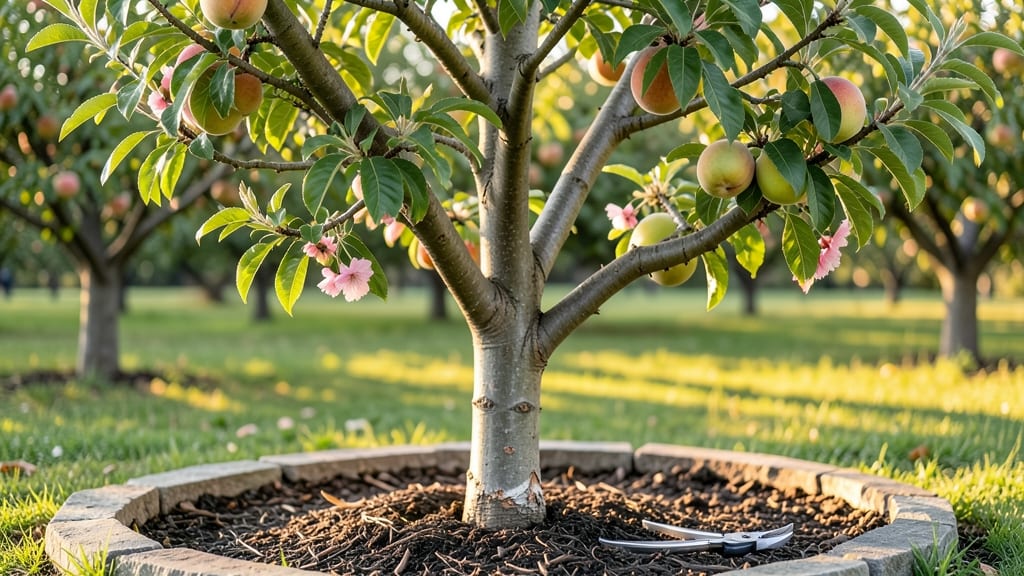
Creating a peach tree garden transforms your yard into a sun-drenched oasis that rewards you with blossoms, fruit, and shade all year. 🌸 I learned the hard way that peach trees aren't just about planting—they're about designing a space where they can thrive while becoming the centerpiece of your outdoor living area.
The key is balancing their needs with your landscape's personality, whether that means a rustic orchard vibe or a polished contemporary design with clean lines.
You'll need a sunny spot with at least 6 hours of direct sunlight daily, well-draining soil, and room for the tree to grow 15-25 feet wide depending on the variety.
Most peach trees do best in zones 5-9, but even in cooler climates, dwarf varieties can create stunning focal points. The secret to minimal effort? Start with proper soil prep—amend heavy clay or sandy soil with compost—and use drip irrigation to keep maintenance simple.
Mulching with wood chips not only suppresses weeds but also keeps roots cool in summer and insulated in winter.
What you'll end up with is a garden that feels like a retreat: fragrant blossoms in spring, juicy peaches in summer, and fiery fall foliage that outshines any store-bought decoration.
The tree's canopy provides shade for seating areas, while companion plants like lavender, rosemary, and marigolds keep pests away and add texture. Even in winter, the tree's sculptural branches create visual interest against snow or bare branches. This isn't just a fruit tree—it's the heart of your outdoor space.
The best part? Once established, peach trees require surprisingly little upkeep. Prune just once a year in late winter, thin fruit in early summer, and enjoy the rewards without the backbreaking work.
Whether you're designing a small urban yard or a sprawling countryside estate, a peach tree garden brings beauty, function, and food to your doorstep with surprisingly little effort. Let's make it happen!
📚 In This Guide
- What you need
- Instructions
- Tips and common mistakes
- Wrapping up and next steps
What you need
- ● Peach tree varieties: Choose 2–3 disease-resistant varieties (e.g., Elberta, Redhaven, or J.H. Hale) for cross-pollination.
- ● Healthy saplings or bare-root trees: 1–2 trees (age 1–3 years) from a trusted nursery. Look for Prunus persica labeled for your climate zone (USDA Zones 5–9).
- ● Well-draining soil: A mix of topsoil, compost (50%), and perlite/sand (20%) for optimal aeration. Test soil pH (ideal: 6.0–6.5).
- ● Organic mulch: 2–3 inches of wood chips or straw to retain moisture and suppress weeds.
- ● Slow-release fertilizer: 10-10-10 or organic options like composted manure (apply at planting and annually in spring).
- ● Drip irrigation system or soaker hoses: Essential for deep, consistent watering (avoid overhead sprinklers to prevent fungal diseases).
- ● Shovel and trowel: For digging planting holes (18–24" wide/deep).
- ● Pruning shears: Sharp, bypass-style shears for shaping and removing dead branches.
- ○ Grafting tools (optional): Grafting knife and rubber bands if propagating from cuttings.
- ● Garden gloves: Heavy-duty to protect against thorns and soil.
- ● Staking supplies: 3–4 wooden stakes (6 ft tall) and soft tree ties for young trees.
- ● Spray bottle or hose with nozzle: For gentle watering during early growth.
- ● Sunlight: A full-sun spot (6+ hours daily) with protection from strong afternoon winds.
- ● Space: Minimum 15–20 feet between trees (or espalier against a fence if space is limited).
- ● Water source: Easy access to a hose or irrigation system near the planting site.
- ● Pest/disease prevention: Neem oil or copper fungicide (ready for use if pests like aphids or brown rot appear).
- ● Invest in a tree guard to deter rabbits and voles from young trunks.
- ● Add mycorrhizal fungi to the planting hole to boost root health.
- ● Use reflective mulch (like aluminum foil strips) to deter birds from pecking at buds.
- ● Plant companion flowers (e.g., marigolds) nearby to attract pollinators and repel pests.
How to cultivate a thriving peach tree garden
Peach trees reward patience with stunning blossoms, juicy fruit, and year-round interest. Here’s how to establish one that thrives with minimal fuss.
🌱 Step 1: Select and Prepare the Planting Site
Choose a sunny spot with 6-8 hours of direct sunlight daily—peaches need warmth to ripen properly. Avoid low-lying areas where cold air settles, as frost can damage blossoms and fruit. Test your soil’s pH (aim for 6.0-7.0); peaches prefer slightly acidic to neutral conditions.
Dig a hole twice as wide as the root ball but only as deep. Loosen the sides of the hole to encourage root spread. If your soil is heavy clay, amend it with 2-3 inches of compost mixed into the native soil. This improves drainage and aeration, which peach roots crave.
🪴 Step 2: Plant the Tree at the Right Depth
Remove the tree from its container and gently tease the roots outward if they’re circling. Position it so the graft union (the swollen area near the base) sits 2-3 inches above soil level. This prevents the tree from sinking too low and rotting.
Backfill with native soil, tamping lightly every 2 inches to eliminate air pockets. Water deeply to settle the soil, then create a 3-foot diameter berm around the base to direct water toward the roots. Mulch with 3-4 inches of organic mulch, keeping it 6 inches away from the trunk to prevent rot.
☀️ Step 3: Water Deeply and Establish a Routine
Peach trees need 1-2 inches of water weekly, more during fruit development. Water deeply at the base, avoiding the foliage to prevent fungal diseases like brown rot. Let the soil dry slightly between waterings—soggy roots lead to root rot and poor fruit set.
For the first year, water every 5-7 days unless rain provides consistent moisture. You’ll know it’s enough when the top 6 inches of soil feel dry to the touch. Avoid overhead sprinklers, which can spread disease. Instead, use a soaker hose or drip irrigation for targeted hydration.
✂️ Step 4: Prune for Structure and Airflow
Prune in late winter or early spring before buds swell. Remove dead, crossing, or inward-growing branches first to open the canopy. Aim for an open vase shape that allows sunlight to reach all fruit. Cut back to a bud or outward-facing branch, never to a stub.
Thin fruit in early summer when it’s 1-2 inches in diameter, leaving 6-8 inches between peaches. This prevents overcrowding, which leads to small, sour fruit. You’ll see stronger, sweeter peaches as a result—thinning is worth the effort.
🌿 Step 5: Fertilize and Monitor for Pests
Apply a balanced 10-10-10 fertilizer in early spring and again after harvest. Follow package rates—overfertilizing can lead to excessive leaf growth at the expense of fruit. Peaches also benefit from zinc and boron, which prevent leaf curl and blossom-end rot.
Watch for peach tree borers and aphids. Remove infested leaves promptly and apply horticultural oil or neem spray as needed. Healthy trees with proper airflow and sunlight rarely suffer severe pest issues, so prevention starts with good care.
Tips & tricks for perfect peach tree cultivation
A few strategic moves will help your peach tree thrive with less effort and more spectacular results.
The Sunlight Factor: While 6-8 hours of sunlight is ideal, peach trees actually perform best with full southern exposure that captures morning sun and afternoon warmth. If your yard has afternoon shade, consider planting near a south-facing wall or fence—it reflects heat back onto the tree, extending the growing season. I've seen trees in partial shade still produce fruit, but the quality and quantity drop noticeably.
Soil Amendment Secrets: That 2-3 inches of compost recommendation isn't just about drainage—it's about creating a microbial ecosystem. Mix in well-rotted manure or worm castings along with your compost for extra nutrients. Peach roots thrive when they can access both moisture and air simultaneously, which organic matter provides perfectly. Don't skip this step, even if your soil looks fertile.
Planting Depth Precision: Getting that graft union 2-3 inches above soil level is critical for long-term health. I learned this the hard way when a buried graft led to root rot after just two years. Use a small stake marked with measurements to verify depth before backfilling. The graft union is your tree's genetic blueprint—protect it like you would a seedling's first leaves.
Watering Wisdom: The 5-7 day watering schedule in the first year might seem generous, but peach trees establish deeper roots when they experience occasional dry spells. Water deeply enough that moisture reaches 12-18 inches down—this encourages roots to grow downward rather than staying shallow. A simple test: push a long screwdriver into the soil after watering. If it goes in easily, you're doing it right.
Pro Tips for Peach Tree Garden
- A few strategic moves will help your peach tree thrive with less effort and more spectacular results.
- The Sunlight Factor: While 6-8 hours of sunlight is ideal, peach trees actually perform best with full southern exposure that captures morning sun and afternoon warmth.
- Soil Amendment Secrets: That 2-3 inches of compost recommendation isn't just about drainage—it's about creating a microbial ecosystem.
Frequently asked questions
Got questions about creating and maintaining a stunning peach tree garden? You're not alone! Here are some of the most common queries—plus straightforward answers to help you grow with confidence.
How much space do I need for a peach tree garden?
A single peach tree needs 15–20 feet of space to grow properly, including room for root spread and airflow. If planting multiple trees, space them 20–30 feet apart to prevent overcrowding and disease. Dwarf varieties can work in smaller yards (10–12 feet), but they’ll yield fewer fruits.
When is the best time to plant a peach tree?
Plant in late winter or early spring (before buds swell) or fall (6–8 weeks before frost). Avoid planting in summer heat or freezing temperatures. Bare-root trees can be planted in winter, while container-grown trees thrive in spring. Pro tip: Soak roots in water for 1–2 hours before planting!
What pests or diseases should I watch for in a peach tree garden?
Common issues include:
- Peach leaf curl (fungus causing puckered leaves)—treat with copper fungicide in late fall/winter.
- Peach tree borers (larvae tunneling into bark)—prune infested branches and apply beneficial nematodes.
- Aphids or spider mites (sap-sucking pests)—blast off with water or use insecticidal soap.
Regular pruning and mulching reduce risks! Monitor leaves and bark closely in spring.
Can I grow peach trees in containers? How?
Yes! Use a large container (at least 20 gallons) with drainage holes and well-draining soil. Choose dwarf or semi-dwarf varieties like ‘Bonanza’ or ‘Redhaven.’ Place in full sun (6+ hours/day) and water deeply when the top inch of soil is dry. Move containers indoors or to a garage in winter if temperatures drop below 10°F.
How do I protect my peach tree from extreme heat or cold?
Peach trees thrive in USDA Zones 5–9. For heat:
- Mulch with 3–4 inches of organic mulch to retain moisture.
- Provide afternoon shade with shade cloth if temps exceed 95°F.
For cold:
- Wrap the trunk with burlap or tree wrap in late fall.
- Use a tree blanket for young trees in winter.
Avoid overwatering in winter—it can cause root rot.
Wrapping up and next steps
A peach tree garden isn’t just a dream—it’s a rewarding reality with the right care! From selecting the perfect spot to pruning for health and harvesting sweet rewards, every step brings you closer to a thriving, low-maintenance oasis. The key is consistency, patience, and a little love for nature’s bounty.
Ready to take the next step? Start small—plant that first sapling or expand your existing garden with a few more trees. Your future self (and your taste buds!) will thank you. 🌱🍑