
Tools
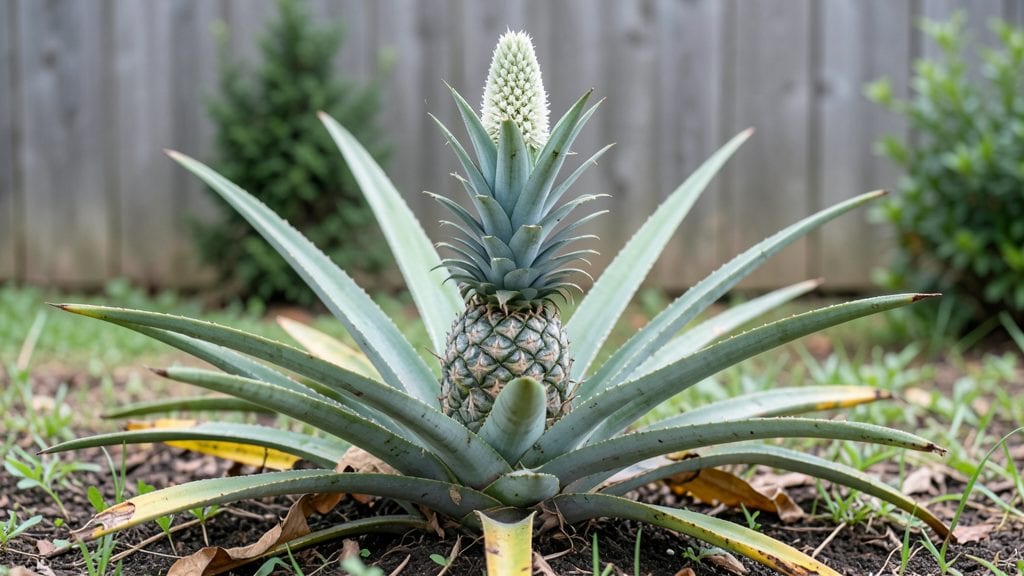
Growing pineapple in your garden means tropical sunshine on your windowsill or patio—even if you live where frost still happens. 🌱 I’ve wrestled with these spiky, sweet plants for years, and now my backyard produces fruit that tastes like nothing store-bought can match.
The key? Treating them like the high-maintenance divas they are, but with a few simple tricks that actually work.
You’ll need a warm spot (60°F minimum), well-draining soil or a pot with drainage holes, and either a pineapple crown or a slip—those are the baby offshoots from the fruit’s base. Most people mess up the watering: too much and the roots rot, too little and the plant wilts.
I’ve found a happy medium that keeps my plants thriving year-round, even in Zone 7.
By summer’s end, you’ll be harvesting fruit that smells like vacation and tastes even better. The plants stay compact, the leaves stay glossy, and with the right care, you’ll get multiple harvests from a single crown. Container gardening makes this foolproof—no frost worries, no digging, just pure tropical productivity.
Here’s the catch: pineapples are slow to fruit (18–36 months), but the journey is worth it. Whether you’re in Florida or Minnesota, I’ll show you how to keep yours alive, growing, and eventually bearing fruit that’ll make your neighbors jealous. Let’s get started!
📚 In This Guide
- What you need
- Instructions
- Tips and common mistakes
- Wrapping up and next steps
What you need
- ● Pineapple plant: 1 healthy, mature pineapple (preferably organic or from a trusted nursery). Look for one with a green crown (the leafy top).
- ● Well-draining potting mix: 5–10 gallons (or enough to fill your container). Use a blend of 50% peat moss or coconut coir, 30% perlite or coarse sand, and 20% compost.
- ● Container or garden bed: For containers: A pot at least 12–18 inches deep and wide (terracotta or fabric pots work best). Ensure it has drainage holes.
- ● For in-ground planting: A sunny, sheltered spot with loose, sandy soil (amend with perlite if your soil is heavy).
- ● Fertilizer: A balanced, slow-release fertilizer (e.g., 10-10-10 or 8-3-9) or organic options like fish emulsion or composted manure.
- ● Mulch: Pine bark or straw (2–3 inches) to retain moisture and regulate temperature.
- ● Pruning shears or sharp knife: For trimming the pineapple crown.
- ● Hydrogen peroxide (3%) or cinnamon powder: To sterilize the cut end of the crown and prevent rot.
- ● Spray bottle with water: For misting the crown during rooting.
- ○ pH test kit (optional): Ideal soil pH for pineapples is 4.5–6.5 (slightly acidic).
- ○ Shade cloth (optional): 30–50% coverage for young plants in hot climates.
- ○ Humidity tray or pebble tray (optional): Helps maintain moisture for the crown while rooting.
- ● Warm climate or greenhouse: Pineapples thrive in USDA zones 10–12 or in containers that can be brought indoors in winter (60°F+ during the day, 55°F+ at night).
- ● Full sun exposure: 6–8+ hours of direct sunlight daily (south-facing windows or grow lights for indoor setups).
- ● Patience: Pineapples take 18–36 months to bear fruit!
Step-by-Step instructions for growing pineapples in your garden
Here's how to transform your backyard into a tropical oasis with juicy pineapples.
🌱 Step 1: Select and Prepare the Pineapple Crown
Start with a fresh, organic pineapple—look for one with a healthy, green crown still attached. Cut off the leafy top about 1-2 inches below the base using a clean knife. Remove any remaining fruit flesh from the base, leaving just the crown with its roots intact.
Let the crown dry for 1-2 days in a warm, dry place. This prevents rot when you plant it. You'll know it's ready when the base looks slightly shriveled and the roots appear dry. I always place mine on a paper towel in a warm spot near a sunny window during this time.
🪴 Step 2: Plant the Crown in a Container or Garden Bed
Fill a 6-inch deep pot with well-draining potting mix or plant directly into a garden bed in full sun. Pineapples thrive in warm climates but can also grow in containers if you bring them indoors during winter. Mix in a handful of perlite or coarse sand to improve drainage—pineapples hate soggy roots.
Dig a hole just deep enough to cover the roots but leave the base of the crown exposed. Gently press the soil around the crown to secure it. Water lightly until moisture reaches 2 inches deep, but avoid soaking the soil. You'll see new growth within 2-4 weeks if conditions are right.
☀️ Step 3: Provide Warmth, Sun, and Consistent Care
Pineapples need 6-8 hours of direct sunlight daily and temperatures above 65°F. If growing outdoors in cooler climates, move the plant indoors near a sunny window or under grow lights during winter. I use a small greenhouse tray to protect mine from frost, which can kill the plant.
Water when the top 1-2 inches of soil feel dry—about once a week in warm weather. Overwatering causes root rot, so always check moisture before watering. Fertilize lightly with a balanced, water-soluble fertilizer every 2 months during the growing season to encourage fruit production.
⏰ Step 4: Wait for Flowering and Fruit Development
A mature pineapple plant will produce a flower stalk after 2-3 years of growth. The flower starts as a small bud and grows into a long, spiky stalk with tiny purple flowers. Once pollinated, these flowers develop into a pineapple fruit over 5-7 months.
If your plant flowers but doesn’t produce fruit, it may need cross-pollination. Use a small paintbrush to transfer pollen from one flower to another. Harvest the pineapple when it’s fully colored and the leaves at the base turn brown. Cut the fruit carefully, leaving the crown intact for future propagation.
🌿 Step 5: Propagate and Enjoy Year-Round Harvests
Once you’ve harvested your pineapple, save the crown to grow another plant. Repeat the process from Step 1, and you’ll have a continuous supply of pineapples. With proper care, a single pineapple plant can produce fruit for 5-10 years, making it a rewarding tropical addition to your garden.
Real talk: Pineapples take patience, but the sweet reward of harvesting your own fruit is worth it. Keep your plant healthy, and you’ll enjoy fresh, homegrown pineapples year after year—no grocery store needed!
Tips & tricks for growing pineapples in your garden
Transforming your backyard into a pineapple paradise takes patience, but these insider tips will help you avoid common pitfalls and maximize your tropical harvest.
Drying is Non-Negotiable: In Step 1, that 1-2 day drying period is critical—don't rush it! Place your crown on a paper towel in a warm, dry spot with indirect sunlight. I've seen too many people skip this and end up with rotten crowns. The base should look slightly wrinkled and the roots should appear dry to the touch before planting.
Sunlight Strategy: Pineapples need those 6-8 hours of direct sunlight daily, but here's the thing: if you're in a cooler climate, supplement with grow lights during winter. I use a simple LED grow light on a timer for 10 hours a day when my plants come indoors. Without enough light, your plant will grow leggy and weak, delaying fruit production.
Watering Wisdom: The 1-2 inch soil moisture check in Step 3 is your best friend. I've learned the hard way that pineapples hate soggy roots—overwatering leads to root rot faster than you'd think. Use your finger to check moisture before watering, especially in containers where drainage is critical. A moisture meter helps if you're unsure.
Fertilizer Timing: That 2-month fertilizer schedule in Step 3 works best when you use a balanced, water-soluble fertilizer. I switch to a higher-phosphorus formula (like 10-20-10) when I see flower buds forming to encourage fruiting. Just remember: less is more with tropical plants—they're sensitive to salt buildup from over-fertilizing.
Pro Tips for Pineapple In Garden
- Transforming your backyard into a pineapple paradise takes patience, but these insider tips will help you avoid common pitfalls and maximize your tropical harvest.
- Drying is Non-Negotiable: In Step 1, that 1-2 day drying period is critical—don't rush it!
- Sunlight Strategy: Pineapples need those 6-8 hours of direct sunlight daily, but here's the thing: if you're in a cooler climate, supplement with grow lights during winter.
Frequently asked questions
Got questions about growing pineapples in your garden?
You’re not alone! Here are answers to the most common queries—from planting tips to troubleshooting—so you can cultivate your own tropical treasure with confidence.
What’s the best climate for growing pineapples in a garden?
Pineapples thrive in USDA Zones 10–12, where temperatures stay between 60–90°F (15–32°C) year-round. If you live in cooler zones, grow them in containers and bring them indoors during winter (below 50°F/10°C). They’re tropical at heart—drought, frost, or cold snaps will stress or kill them.
How long does it take for a pineapple plant to bear fruit?
Patience is key! From planting a slip (pups) or crown, it takes 18–36 months for a pineapple to ripen—sometimes even longer in cooler climates. Pro tip: Look for reddish blooms (the "crown")—this signals fruit development in 3–6 months.
Can I grow pineapples from a store-bought fruit?
Yes, but it’s a long shot! Remove the crown (top leaves) from a fresh pineapple, let it dry for 2–3 days, then plant it in well-draining soil. Roots may take weeks to form, and fruiting is unlikely—this method is mostly for fun or propagating slips. For better success, buy slips or pups from a nursery.
Why are my pineapple leaves turning yellow or brown?
Yellowing leaves often signal overwatering or root rot (pineapples hate soggy soil!). Brown tips? Underwatering or fluoride buildup (common in tap water). Fix it: Water only when the top 2 inches of soil are dry, use rainwater or filtered water, and ensure well-draining soil.
What are some low-maintenance alternatives to pineapples for warm climates?
If pineapples seem too fussy, try these tropical, drought-tolerant fruits:
- Papaya – Fast-growing, self-pollinating, and loves heat.
- Banana plants – Hardy and produce edible fruit (though not year-round in cold zones).
- Guava – Thrives in warm climates with minimal care.
- Passionfruit – Vigorous climber with high yields.
Wrapping up and next steps
Growing pineapples in your garden is a rewarding adventure that brings a taste of the tropics right to your doorstep! 🌱 With the right soil, sunlight, and care, you can enjoy fresh, homegrown pineapples year-round—no matter where you live.
Start small, experiment with containers or in-ground planting, and don’t forget to share your progress with fellow gardening enthusiasts.
Ready to take the next step? Plant your first pineapple slip this season and watch your garden transform into a mini tropical paradise. Happy growing! 🌴✨