
Tools
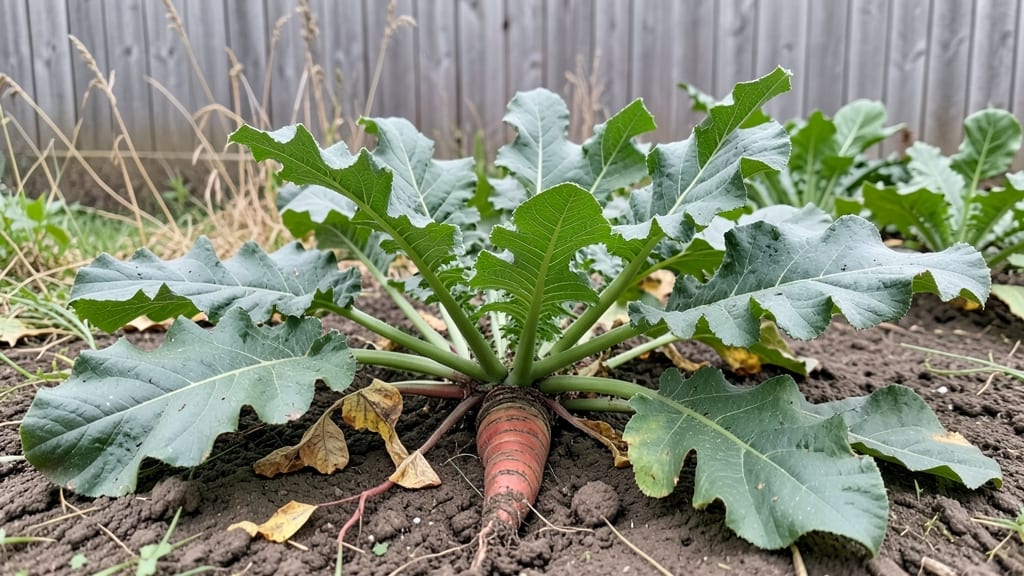
Growing horseradish in your garden delivers fiery flavor faster than you’d expect—bold roots ready in just 3 months. 🌱 I planted my first patch after reading that horseradish spreads like wildfire (literally), and now I swear by it for both the kitchen and controlling weeds.
The secret isn’t fancy soil—it’s patience and knowing how to tame its aggressive side.
You’ll need a sunny spot with at least 6 hours of light daily, rich soil mixed with compost, and a shovel to bury those knobby roots 2 inches deep and 12 inches apart.
Horseradish thrives in cool weather but handles heat if kept moist—just don’t let it dry out. The first year is all about establishing roots; harvest begins in year two when you’ll finally get those spicy, crunchy roots.
Expect vibrant green foliage that looks like mustard greens but packs a punch underground. The roots grow deep, so avoid planting near walkways or structures—this plant will take over.
When harvesting, dig carefully in early spring or fall for the freshest flavor. Store them in damp sand, and you’ll have homegrown horseradish for months.
Here’s the kicker: horseradish multiplies easily. Save a piece of root for next year’s garden, and you’ll always have a supply. Just keep it contained—this isn’t a plant you want running wild in your yard. Ready to grow your own fire?
📚 In This Guide
- What you need
- Instructions
- Tips and common mistakes
- Wrapping up and next steps
What you need
- ● Horseradish root: 1–2 healthy, disease-free roots (1–2 lbs each). Look for thick, firm roots with no soft spots—organic or heirloom varieties like 'Common' or 'French Breakfast' are great choices!
- ● Garden soil: Well-draining, slightly acidic to neutral soil (pH 6.0–7.0). Amend with compost (2–3 inches mixed into the top 12 inches of soil) for nutrient-rich growth.
- ● Fertilizer: Balanced fertilizer (10-10-10 or 5-5-5): 1–2 tbsp per planting hole at planting time.
- ● Organic compost or worm castings: 1 cup per plant, worked into the soil 2–3 weeks before planting.
- ● Mulch: Straw, wood chips, or shredded leaves (2–3 inches) to retain moisture and suppress weeds.
- ● Watering can or hose with a gentle spray nozzle: For consistent moisture without disturbing the soil.
- ● Garden gloves: To protect your hands from the root’s sharp edges and potential skin irritation.
- ● Trowel or hand shovel: For digging planting holes (6–8 inches deep).
- ● Measuring tape or ruler: To space plants 18–24 inches apart in rows 3 feet apart.
- ● Row covers or frost cloth: To protect young plants from late frosts or pests.
- ● Organic pest control: Neem oil or insecticidal soap to deter aphids or cabbage worms.
- ● Pruners: For trimming foliage to encourage root growth (if desired).
- ● Soil pH test kit: To ensure your soil’s acidity is ideal for horseradish.
- ● Shade cloth (30–50% coverage): For hot climates to prevent bolting (flowering prematurely).
Step-by-Step instructions for growing bold horseradish in your garden
Here's how to cultivate fiery, flavorful roots that spread aggressively but reward you with years of harvests.
🌱 Step 1: Select and Prepare Your Planting Site
Horseradish thrives in full sun to partial shade with at least 6 hours of direct light daily. Choose a spot with loose, well-draining soil—this root system hates compacted earth. I always test my soil first with a simple moisture test: dig down 6 inches and press the soil. If it feels like a damp sponge, it's ideal. If it's hard, amend with 2-3 inches of compost mixed into the top 12 inches of soil.
Horseradish spreads aggressively, so avoid planting near desirable crops. If you're starting from seed, begin indoors 8-10 weeks before your last frost date—horseradish germinates slowly and needs warmth. If using root cuttings, plant in early spring when soil temperatures reach 50°F. The key is patience; roots won't mature for 9-12 months, but the wait is worth it.
🪴 Step 2: Plant Root Cuttings or Seeds Correctly
For root cuttings, select healthy, disease-free roots from a trusted source. Cut 2-inch pieces with at least one eye (bud) per section. Plant these horizontally 2-3 inches deep in trenches spaced 18-24 inches apart. Cover lightly with soil and water gently to settle. Planting too deep stunts root growth, while shallow planting exposes them to frost damage.
If starting from seed, sow them ½ inch deep in rows 12-18 inches apart. Thin seedlings to 12 inches apart once they reach 4-6 inches tall. Horseradish seedlings are delicate—avoid disturbing them once established. I always plant in early spring to give roots plenty of growing season before winter dormancy.
💧 Step 3: Water and Maintain Soil Moisture
Keep the soil consistently moist but never soggy—horseradish roots rot easily in waterlogged conditions. Water deeply 1-2 times per week, depending on rainfall, until the soil is 6 inches deep and evenly damp. Use a moisture meter or your finger to check: push it 2 inches deep—if it feels dry, water. Mulch with 2-3 inches of straw or shredded leaves to retain moisture and suppress weeds.
Fertilize lightly in early spring with a balanced organic fertilizer (10-10-10) to encourage leafy growth, but avoid over-fertilizing—too much nitrogen produces more foliage at the expense of root development. Horseradish is a hardy plant, but it rewards consistent care with robust, flavorful roots.
✂️ Step 4: Thin and Harvest Strategically
Thin plants to 12 inches apart when they reach 4-6 inches tall to prevent overcrowding. Use sharp shears to cut unwanted plants at soil level—never pull, or you'll damage the remaining roots. Horseradish is a perennial, so it will regrow each year. For best flavor, harvest roots in fall or early spring when they're 2-3 inches in diameter.
To harvest, use a fork to loosen the soil around the root, then pull gently. Wear gloves—horseradish sap can irritate skin. Store harvested roots in a cool, dark place for up to 3 months. If you're not ready to harvest, let the roots mature for 2-3 years for maximum potency and size. The older the root, the stronger the flavor!
⏰ Step 5: Overwinter and Prepare for Next Year
Horseradish is cold-hardy and survives winter in most climates. In zones with harsh winters (below 0°F), mulch heavily with 4-6 inches of straw or leaves to insulate roots. In spring, remove mulch gradually to prevent rot. Horseradish spreads easily, so contain it with 18-inch deep barriers if needed—it can become invasive.
Divide established plants every 3-4 years to prevent overcrowding and disease. Cut roots into 2-inch sections with eyes, then replant. This rejuvenates the plant and ensures strong, flavorful harvests. With proper care, one horseradish plant can provide roots for years—just be prepared for its tenacious growth!
Tips & tricks for growing bold garden horseradish
These hard-earned insights will help you cultivate fiery roots that rival any store-bought variety—without the invasive headaches.
Soil Preparation Secret: In Step 1, don't just amend the top 12 inches—work that 2-3 inches of compost into the entire planting area. Horseradish roots grow aggressively downward, and they'll follow the path of least resistance. If your soil feels like packed clay after digging 6 inches, add an extra inch of compost and mix thoroughly. The roots will thank you with thicker, more flavorful growth.
Planting Depth Precision: When planting those 2-inch root cuttings in Step 2, aim for horizontal placement with the eyes facing upward. The top of the cutting should sit 1 inch below the soil surface—any deeper and you'll stunt growth, any shallower and frost will damage the crown. I've learned this the hard way after watching plants fail in both scenarios.
Winter Protection Strategy: For zones expecting temperatures below 0°F in Step 5, don't just slap on mulch—create a layered insulation system. Start with 2 inches of straw, then add 4 inches of leaves, and top with a thick layer of straw bales. This three-layer approach prevents temperature swings that can cause root damage. Remove the top layer in early spring to avoid overheating.
Harvest Timing Insight: The 2-3 inch diameter target in Step 4 is a great guideline, but don't harvest solely based on size. Dig up a test root in late summer—if it's already developed a strong, sharp flavor, you can harvest earlier than the 9-12 month mark. The flavor compounds build over time, but you don't need to wait for maximum size if you're craving that kick now.
Pro Tips for Horseradish In Garden
- These hard-earned insights will help you cultivate fiery roots that rival any store-bought variety—without the invasive headaches.
- Soil Preparation Secret: In Step 1, don't just amend the top 12 inches—work that 2-3 inches of compost into the entire planting area.
- Planting Depth Precision: When planting those 2-inch root cuttings in Step 2, aim for horizontal placement with the eyes facing upward.
Frequently asked questions
Got questions about growing horseradish in your garden? You’re not alone! Here are answers to the most common queries to help you cultivate this fiery root like a pro.
When is the best time to plant horseradish?
Plant horseradish in early spring (as soon as the soil is workable) or fall (4–6 weeks before the first frost). Avoid planting in hot, dry weather—it thrives in cooler temperatures (50–70°F). For fastest growth, aim for a spring planting in well-drained soil.
Can I grow horseradish in containers?
Yes! Horseradish adapts well to containers if they’re at least 12–18 inches deep and wide. Use a loose, fertile soil mix and ensure good drainage. Containers also make it easier to control spread—ideal for small gardens or urban plots.
How do I prevent horseradish from spreading aggressively?
Horseradish sends out rhizomes (underground stems) that can take over. To contain it:
- Plant in deep trenches or pots with buried barriers (like hardware cloth).
- Harvest regularly to limit root expansion.
- Mulch heavily to suppress shoots if you’re okay with slower growth.
What can I do if my horseradish turns woody or bitter?
Woody or overly pungent horseradish often means it’s overmature. To fix it:
- Harvest younger roots (3–4 months old) for milder flavor.
- Avoid letting it bolt (flower)—this makes it tough and bitter.
- Grow in partial shade if your climate is too hot.
Are there any alternatives to horseradish for gardening?
If horseradish seems too bold or high-maintenance, try these milder but flavorful alternatives:
- Daikon radish – Fast-growing, less invasive, and great for stir-fries.
- Black radish – Earthy and peppery, perfect for roasting.
- Wasabi root – A true horseradish cousin (but harder to grow).
- Mustard greens – Quick, edible leaves for salads and sandwiches.
Wrapping up and next steps
Growing horseradish in your garden is a rewarding adventure that delivers bold, peppery flavor in just three months—with minimal fuss! Whether you're a seasoned gardener or a curious beginner, this hardy root thrives in most climates and adds a spicy kick to meals without breaking the bank.
The key? Patience, proper spacing, and a little TLC during harvest.
Ready to spice up your garden—and your pantry? Start with a single root, experiment with varieties, and soon you’ll be sharing jars of homemade horseradish sauce with friends. Happy growing! 🌱✨