
Tools
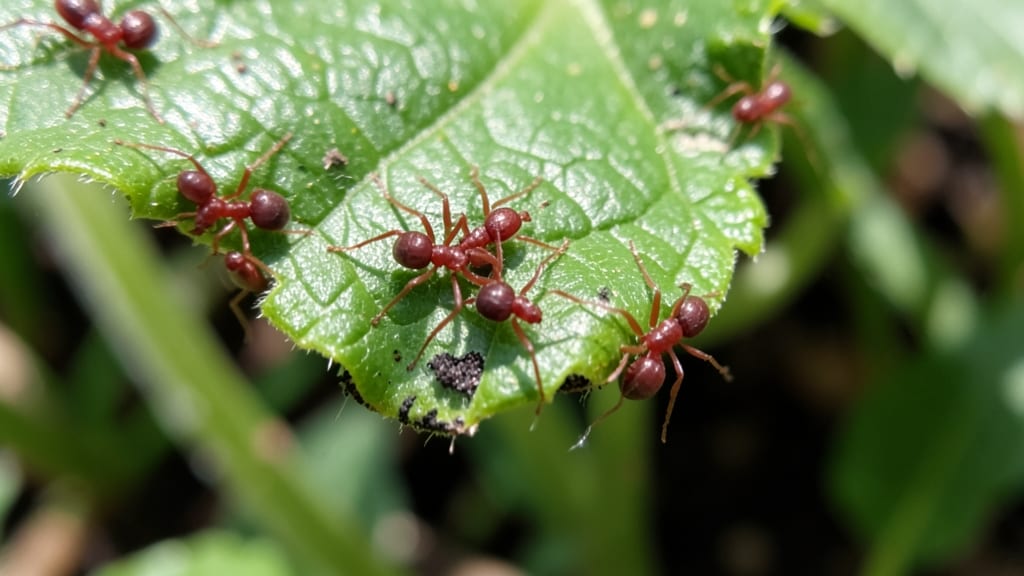
Red garden mites turn your lush plants into skeleton leaves overnight. 🌿 I’ve fought these tiny red pests on tomatoes, beans, and even my prized roses—and learned the exact methods that actually work without poisoning your soil.
The key? Targeted treatments that don’t leave your garden more damaged than the mites do.
These mites thrive in dry, dusty conditions, spinning fine webs on undersides of leaves. You’ll spot them as tiny red dots (about 1/50th of an inch) or see stippled leaves that look like they’ve been peppered with confetti.
They love beans, tomatoes, and ornamentals, so once they appear, they multiply fast. The good news? You don’t need harsh chemicals to stop them.
Neem oil and insecticidal soap are my go-to weapons—spray them directly on the mites, not just the leaves. Add predatory mites (like Phytoseiulus persimilis) for a long-term fix, and keep humidity up to slow their spread. Within a week, you’ll see new growth where there were once ravaged leaves.
Prevention is easier than cleanup: prune regularly to improve airflow, mist plants on hot days, and introduce ladybugs or lacewings. These pests hate moisture, so a little extra care keeps them from ever getting a foothold. Let’s get your garden back to thriving.
Root Causes of Tiny Plant Invaders
Red garden mites—those barely visible yet relentless pests—don’t just appear out of nowhere. Their presence is almost always a response to specific environmental or gardening conditions. Understanding why these microscopic troublemakers thrive helps you disrupt their lifecycle before they wreak havoc. Let’s break down the science behind their invasion.
Red garden mites, particularly Tetranychus urticae (the infamous two-spotted spider mite), are heat-loving opportunists. When temperatures soar above 80°F (27°C) and humidity drops below 40%, plants become dehydrated. Here’s the domino effect:
- Stressed plants produce less sap—their natural defense mechanism. Mites feed on this sap, and without it, they turn to plant cells, piercing them for moisture.
- Dry air weakens plant cuticles, making it easier for mites to insert their mouthparts and suck out nutrients.
- Mites reproduce faster in heat. A single female can lay 100+ eggs in her lifetime, and warm conditions accelerate their development from egg to adult in just 5–7 days.
💡 Pro Tip: Mulch heavily in summer to retain soil moisture and use shade cloth on susceptible plants (like roses or beans) to keep temps below 75°F (24°C).
Mites target plants that are already struggling—whether from nutrient deficiencies, poor spacing, or disease. Here’s why:
- Nutrient-deficient plants (e.g., lacking nitrogen or potassium) have thinner cell walls, making them easier pickings. Mites prefer soft, tender leaves over tough, healthy ones.
- Overcrowded foliage creates microclimates with high humidity near the plant but dry air above. Mites thrive in these hidden pockets, where predators (like ladybugs) can’t reach them.
- Fungal or bacterial infections (e.g., powdery mildew) weaken plant defenses, and mites exploit these areas first. The sticky honeydew left by mites can even attract sooty mold, compounding the damage.
🔥 Action Step: Prune plants for airflow, fertilize with balanced NPK (10-10-10), and rotate crops annually to starve out mite populations.
Mites don’t have natural predators? Nope—but they do have checks and balances in a healthy garden. When you disrupt the balance, mites move in like uninvited guests at a buffet. Here’s how:
| Cause | How It Helps Mites |
|---|---|
| Broad-spectrum pesticides (e.g., neonicotinoids, malathion) | Kill beneficial insects first—like predatory mites (Phytoseiulus persimilis), lacewings, and hoverflies—leaving mites unchallenged. |
| Monoculture gardening (planting the same species in rows) | Mites specialize in certain plants (e.g., spider mites love cucumbers and tomatoes). No diversity = no natural resistance. |
| Plastic mulches (vs. organic mulch) | Reflects heat and reduces beneficial microbe activity in soil, creating a mite-friendly environment. |
✨ Eco-Friendly Fix: Introduce companion plants like marigolds (repel mites) or dill (attracts predator mites). Use soapy water sprays (1 tsp mild soap per quart of water) instead of chemicals.
Mites are hitchhikers. They don’t fly far (they rely on wind or rafting on insects), but they stow away on:
- New plants: Inspect leaves, stems, and under pots before bringing home nursery-bought plants. Mites often hide in leaf axils or on roots.
- Gardening tools: Pruners, gloves, and even wheelbarrows can transfer mites from infested to healthy plants. 10% of mite spread happens this way!
- Weeds and debris: Plants like purslane or chickweed are mite magnets. Leaving them near your garden is like rolling out the red carpet.
🔪 Prevention Checklist:
- ✅ Quarantine new plants for 2 weeks before introducing them to your garden.
- ✅ Disinfect tools with 70% isopropyl alcohol or bleach water (1:10 ratio).
- ✅ Remove weeds within a 3-foot radius of your plants.
Quick Fixes for Tiny Plant Invaders
Red spider mites—often mistaken for their redder cousins—can turn your lush garden into a dusty battleground if left unchecked. But don’t panic! These solutions target the root causes (and the pests themselves) while keeping your soil and plants thriving.
Below, we’ve mapped out practical, step-by-step fixes based on why the problem started, plus prevention tips to stop future outbreaks.
Cause: Mites thrive in crowded, weak plants where they can hide and feed undetected. Fix:
- 🔪 Prune aggressively – Remove 20–30% of foliage to improve airflow. Focus on dense areas where mites cluster (like undersides of leaves).
- 🌱 Repot or transplant – If plants are root-bound, move them to larger pots with fresh, well-draining soil.
- 💧 Hydrate deeply – Water at the base (not overhead) to reduce stress. Aim for 1–1.5 inches of water per week in dry climates.
- 🌡️ Boost humidity – Place trays of water near plants or use a humidifier. Mites hate moisture—aim for 50–60% humidity.
💡 Pro Tip: Wipe leaves with a neem oil-soaked cloth (1 tsp neem oil + 1 quart water) to dislodge mites and deter future infestations.
Cause: Heavy infestations mean mites are spinning webs and weakening plants. Fix:
- 🚫 Quarantine immediately – Move affected plants 10+ feet away from healthy ones to prevent spread.
- 🛡️ Spray with horticultural oil – Mix 2 tbsp horticultural oil + 1 tsp dish soap + 1 gallon water. Spray every 5–7 days for 2 weeks. Test on a small leaf first!
- 🐝 Introduce predators – Release lacewings, ladybugs, or predatory mites (like Phytoseiulus persimilis). Buy them online or from garden centers.
- 🔥 Blast mites off – Use a strong stream of water (from a hose or spray bottle) to knock them off leaves before treating.
✨ Prevention: Install fine mesh row covers over new plantings to block mites from landing.
Cause: Poor soil health weakens plants, making them mite magnets. Fix:
- 🍄 Add compost or worm castings – Mix 1–2 inches into the topsoil to improve nutrient uptake and microbial activity.
- 🌿 Use balanced fertilizer – Switch to a low-nitrogen, high-phosphorus formula (like 5-10-10) to strengthen roots.
- 💧 Flush the soil – Water deeply to leach out excess salts or chemicals that stress plants.
- 🌱 Mulch properly – Apply 2–3 inches of organic mulch (straw, wood chips) to retain moisture and regulate soil temp.
🎯 Long-Term Tip: Test your soil every 2–3 years—mites love plants struggling from pH imbalances (aim for 6.0–7.0 for most gardens).
Cause: Extreme heat, dry air, or sudden temperature swings invite mites. Fix:
- 🌡️ Shield from direct sun – Use shade cloth (30–50%) during peak heat (10 AM–4 PM).
- 💨 Improve airflow – Space plants 12–18 inches apart and avoid overwatering (soggy soil = fungal risks).
- 🌊 Mist leaves (carefully!) – Lightly mist plants early in the morning to raise humidity, but avoid evening misting (fosters fungal growth).
- 🌍 Adjust watering times – Water early morning or late evening to reduce evaporation and stress.
💡 Quick Fix: Place a fan on low speed near plants to create airflow—miters hate moving air!
If mites persist after 3–4 weeks of organic methods, try:
- 🧴 Pyrethrin spray (derived from chrysanthemums) – Apply at dusk (harmless to bees).
- 🟡 Insecticidal soap – Reapply every 5–7 days (safe for most plants but test first).
- 🔴 Avoid systemic pesticides – Neonicotinoids can harm soil microbes and beneficial insects.
⚠️ Warning: Never use harsh chemicals like malathion—they can kill pollinators and disrupt ecosystems.
- 🌱 Inspect new plants – Rinse leaves with water before bringing them home.
- 🕵️ Weekly leaf checks – Flip leaves over and look for tiny red dots or webbing.
- 🌿 Rotate crops – Avoid planting the same family (e.g., tomatoes, peppers) in the same spot yearly.
- 🌍 Encourage biodiversity – Plant marigolds, basil, or dill near vulnerable plants to repel mites naturally.
Remember: Patience is key—mites multiply fast, but so do your solutions! With consistent care, your garden will bounce back stronger and mite-free. 🚀
Frequently asked questions
What do red garden mites look like up close?
Red garden mites are tiny—about 1/50th of an inch long—and appear as bright red or orange dots when viewed with a magnifying glass. Under a microscope, you’ll see their oval bodies with four pairs of legs. Look for them clustered on leaf undersides or along leaf veins, where they feed.
Which plants are most vulnerable to red garden mites?
These pests love beans, tomatoes, roses, peppers, and ornamentals like hibiscus. They thrive on plants with soft, tender leaves and prefer dry, dusty conditions. If your garden has these plants, check the undersides of leaves regularly for early signs of infestation.
How do I know if my plants have red garden mites, not just dust?
Unlike dust, mites leave stippled leaves (tiny yellow dots where they’ve fed) and fine webbing on leaf undersides. Shake a leaf over white paper—if you see tiny red specks, that’s your answer. Also check for honeydew (sticky residue) on lower leaves.
Can I use vinegar to kill red garden mites?
Not effectively! Vinegar’s acidity can damage plant leaves, but it won’t kill mites. Instead, use neem oil (mix 1 tsp neem oil + 1 quart water) or insecticidal soap (spray every 5–7 days). Test on a small leaf first to avoid harming your plants.
How long does it take to eliminate red garden mites?
With consistent treatment, you’ll see improvement in 1–2 weeks. Heavy infestations may take up to 4 weeks to fully eradicate, especially if you combine sprays (neem oil), predatory mites, and humidity control. Monitor plants closely and reapply treatments as needed.