
Tools
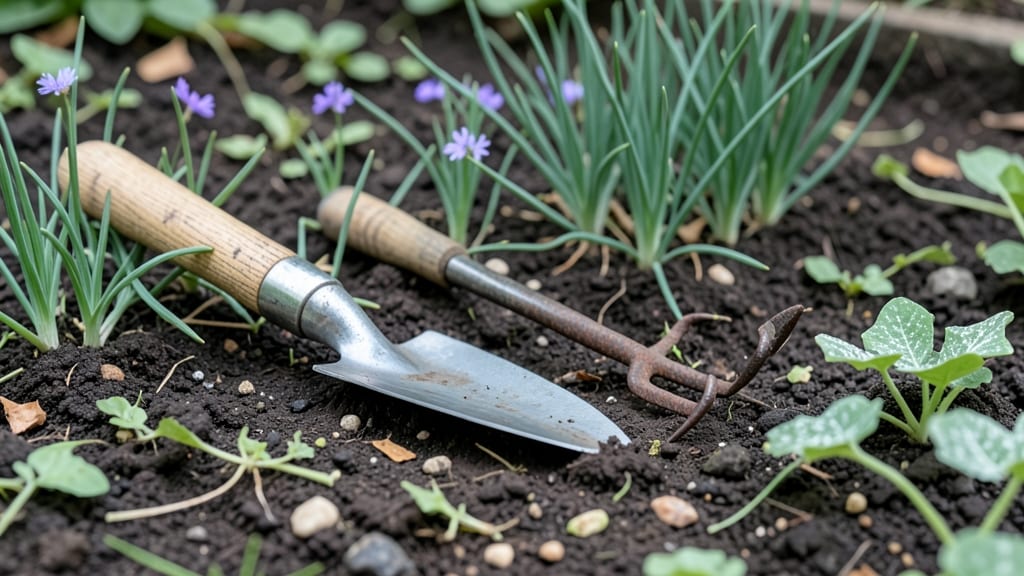
My hands used to cramp after just 20 minutes of gardening—until I found disabled gardening tools with ergonomic grips that finally made planting pain-free.
The right tools don’t just help; they let you garden longer without fatigue, and that’s a game-changer for anyone with arthritis, limited grip strength, or mobility challenges.
Lightweight aluminum trowels, thick foam grips on pruners, and long-handled tools reduce strain while keeping control. I swapped my old pruners for ones with padded, non-slip handles, and the difference was immediate—no more blisters or numb fingers.
These tools are designed to adapt to your strength, not the other way around.
You’ll notice the difference right away: digging becomes easier, deadheading takes less effort, and even weeding feels manageable. The best part? These tools don’t look like medical aids—they’re sleek, durable, and blend into any garden setup. Independence in the garden starts with the right grip.
Whether you’re modifying existing tools or buying new ones, the key is finding what fits your hands and your needs. I’ll walk you through the best options—from affordable modifications to high-end adaptive designs—so you can keep gardening without limits.
📚 In This Guide
- What you need
- Instructions
- Tips and common mistakes
- Wrapping up and next steps
What you need
- ● Ergonomic Hand Tools: 1 lightweight, adjustable-grip trowel (e.g., blank">Fiskars Ergonomic Trowel)
- ● 1 long-handled pruners (e.g., Felco F-2 Classic with ergonomic grips)
- ● 1 one-handed weeder (e.g., blank">Bulldog Ergonomic Weeder)
- ● Adaptive Grip Accessories: 2-3 foam or gel grip covers (for tools like rakes or shovels)
- ● 1 universal handle adapter (e.g., blank">ErgoGrip for customizable tool handles)
- ● 1 weighted or padded gardening gloves (e.g., blank">Under Armour Garden Gloves)
- ● Seating & Support: 1 foldable garden stool with armrests (e.g., blank">Amigo Folding Stool)
- ● 1 portable kneeling pad (with handle for stability, e.g., blank">Gorilla Grip Pad)
- ● Tech & Automation: 1 smart irrigation system (e.g., blank">Rachio 3 for hands-free watering)
- ● 1 voice-activated assistant (e.g., Alexa or Google Home for tool reminders)
- ● Comfort Boosters: 1 lightweight wheelbarrow (e.g., blank">Ryobi 16-gallon Wheelbarrow)
- ● 1 long-handled reacher/grabber (for picking up items without bending)
- ● Safety & Storage: 1 tool organizer with cutouts (to keep tools accessible and secure)
- ● 1 non-slip mat for work surfaces (e.g., Gorilla Grip Mat)
Step-by-Step guide to selecting ergonomic gardening tools for pain-free planting
Transform your gardening experience with tools designed to reduce strain and improve control.
Assess Your Specific Needs and Mobility Requirements
Begin by identifying the tasks that cause you the most discomfort—whether it's gripping trowels, reaching for pruners, or lifting heavy pots. Note which joints (hands, wrists, knees, or back) feel strained during routine gardening. For example, arthritis sufferers may benefit most from tools with extra-thick grips and cushioned handles, while those with limited reach might prioritize lightweight, extendable designs. I always recommend writing down your top three pain points before shopping, as this narrows down the right ergonomic features for your situation.
Consider your gardening style too. If you work primarily in containers, focus on tools with balanced weights to reduce arm fatigue. For ground-level planting, look for tools with extended handles or padded knee pads to minimize bending. Remember, the best tool for you is one that aligns with your physical needs and gardening habits—not just what looks appealing in a catalog.
Prioritize Tools with Thick, Non-Slip Grips and Lightweight Materials
Start with a lightweight ergonomic trowel (under 12 ounces) featuring a thick, contoured grip made from materials like foam or rubberized silicone. These grips reduce pressure on joints while providing better control, especially when digging or transplanting. I’ve found that tools with angled or looped handles distribute weight more evenly, which is a game-changer for those with grip strength issues. Avoid metal tools with thin handles—they can cause hand fatigue after just a few minutes of use.
Next, invest in long-handled pruners (with handles extending 24-36 inches) to avoid overreaching. Look for models with soft-grip handles and spring-assisted blades to reduce the force needed for cutting. For weeding, a bend-resistant, lightweight weeder with a padded grip will make tasks like pulling dandelons far less taxing. Always test grips before purchasing—if they feel slippery or uncomfortable in the store, they’ll likely worsen discomfort during use.
Incorporate Adjustable and Extendable Tools for Versatility
Extendable tools are a game-changer for maintaining independence in gardening. A telescoping hand trowel (adjustable from 18 to 36 inches) lets you dig, plant, and transplant without bending over. Pair this with a reacher grabber (with a 12-inch extendable arm) to pick up lightweight objects like small pots or fallen fruit without straining. These tools are especially useful for those with limited mobility in their arms or hands, as they eliminate the need for excessive reaching or bending.
For heavier tasks like moving mulch or repotting, opt for tools with built-in handles or long shafts, such as a lightweight rake with a padded D-shaped handle or a wheelbarrow with an adjustable-height frame. If lifting is a challenge, consider a knee pad with a built-in tool holder—this keeps your tools within easy reach while reducing the need to bend or squat. Always choose tools with locking mechanisms on extendable parts to ensure stability during use.
Test Tools for Comfort and Functionality Before Full Commitment
Before purchasing a full set, borrow or rent tools to test their ergonomics in real gardening conditions. Pay attention to how your hands, wrists, and arms feel after 10-15 minutes of use. If a tool causes discomfort, fatigue, or requires too much force, it’s not the right fit—no matter how stylish or highly rated it is. I recommend starting with a single ergonomic tool, like a trowel or pruner, to see how it improves your gardening experience before investing in an entire set.
Try different grip styles—some people prefer loop handles for wrist support, while others find padded foam grips more comfortable. If possible, visit a garden center or rehabilitation supply store to physically test tools. Note which features feel most supportive, such as angled handles, cushioned grips, or lightweight materials, and prioritize those in your final selection. Remember, the goal is to make gardening easier, not more challenging.
Maintain Tools to Ensure Longevity and Comfort
Regular maintenance keeps ergonomic tools functioning smoothly and comfortably. Clean tools after each use with a mild soap solution and dry them thoroughly to prevent rust or mold buildup, which can make grips slippery or handles uncomfortable. Store tools in a dry, organized space—such as a wall-mounted rack or a tool bag with padded compartments—to prevent bending or damage to handles. Avoid leaving tools in damp or humid environments, as this can degrade grips over time.
Replace worn-out or damaged grips immediately—even minor wear can increase strain during use. Many ergonomic tools come with replaceable grip covers, making it easy to restore comfort without buying a new tool. Schedule a quarterly check of all your tools to tighten screws, adjust extendable parts, and inspect handles for cracks or wear. By keeping your tools in top condition, you’ll extend their lifespan and ensure they continue to support pain-free gardening for years to come.
Tips & tricks for ergonomic gardening tools
Finding the right ergonomic tools can transform gardening from a painful chore into a manageable, even enjoyable activity. Here are the key strategies to ensure you select tools that truly support your mobility needs.
Prioritize Grip Materials: The material of the grip can make or break your comfort. Look for tools with grips made from foam, rubberized silicone, or gel—these materials absorb shock and reduce pressure on joints. I’ve found that contoured grips with finger loops distribute weight more evenly, which is especially helpful for those with arthritis or limited grip strength. Avoid tools with smooth metal or plastic handles, as they can slip and increase strain.
Test Tools Before Buying: In Step 4, the instructions emphasize testing tools for 10-15 minutes to assess comfort. This is critical because what feels good in a store may not translate to real gardening conditions. Pay attention to how your hands, wrists, and arms feel after using a tool—if you experience fatigue or discomfort, it’s not the right fit. I recommend starting with a single tool, like a lightweight trowel or pruner, to see how it improves your gardening experience before investing in a full set.
Adjustable Tools Are Your Best Friend: Step 3 highlights the versatility of extendable tools, but the key is ensuring they’re easy to adjust and lock securely. A telescoping trowel with a locking mechanism prevents accidental extension while working, while a reacher grabber with a 12-inch extendable arm should have a smooth, resistance-free adjustment to avoid straining your hands. Always test the locking feature—if it’s flimsy, the tool could slip mid-use, leading to frustration or injury.
Maintenance Matters: Step 5 covers tool maintenance, but here’s the thing: neglecting maintenance can undo all the ergonomic benefits. Clean your tools after each use with a mild soap solution and dry them thoroughly to prevent mold buildup, which can make grips slippery. Store tools in a dry, organized space—like a wall-mounted rack—to avoid bending or damage. I also recommend scheduling a quarterly check to tighten screws, replace worn grips, and inspect for cracks. This ensures your tools remain supportive and comfortable for years.
Pro Tips for Disabled Gardening Tools
- Finding the right ergonomic tools can transform gardening from a painful chore into a manageable, even enjoyable activity.
- Prioritize Grip Materials: The material of the grip can make or break your comfort.
- Test Tools Before Buying: In Step 4, the instructions emphasize testing tools for 10-15 minutes to assess comfort.
Frequently asked questions
Got questions about adapting your gardening tools for comfort and ease?
You’re not alone! Here are some of the most common queries about disabled gardening tools—plus straightforward answers to help you garden pain-free.
What are the best ergonomic gardening tools for arthritis or limited grip strength?
Look for tools with thick, cushioned handles (like foam or rubber grips) and lightweight designs. Brands like Fiskars and Radiah offer arthritis-friendly trowels, pruners, and shears with easy-grip loops or extended handles. Pro tip: Adjustable or one-handed tools (like lever-style pruners) can make a huge difference!
How do I know if my current tools can be modified instead of buying new ones?
Check for replaceable grips—many tools accept rubberized or gel handles (available at hardware stores). For heavier tools, wrap handles with pool noodles or tennis ball grips for cushioning. If mobility is an issue, consider extendable handles (like telescoping rakes) to reduce bending.
Are there affordable alternatives to expensive ergonomic tools?
DIY solutions include:
- PVC pipe handles (cut to size, sanded, and wrapped with grip tape).
- Pool noodles or silicone tube grips (slip over handles for shock absorption).
- Thick socks or leg warmers over handles for extra padding.
Check thrift stores or online marketplaces for secondhand ergonomic tools too!
My tool keeps slipping—what’s the best way to secure it?
Try these quick fixes:
- Apply grip tape (like 3M Super Grip) to handles.
- Use velcro straps or rubber bands to wrap handles for extra friction.
- Switch to weighted tools (slightly heavier tools stay put better in soil).
If all else fails, one-handed tools (like lever-action pruners) eliminate the need for tight grips.
Can kids or seniors use disabled gardening tools safely?
Yes! Opt for ultra-lightweight, child-sized tools (like plastic or aluminum models) with soft grips. For seniors, prioritize long-handled tools to reduce strain and automatic openers (e.g., pruners with one-motion triggers). Always supervise younger users and teach proper posture to avoid back strain.
Wrapping up and next steps
Gardening shouldn’t come with pain or frustration—especially when disabled-friendly tools can make every task easier and more enjoyable! 🌱 From ergonomic grips to lightweight designs, the right tools help you cultivate your green space with confidence and comfort.
Whether you're adapting existing tools or investing in purpose-built solutions, small changes lead to big rewards—both for your plants and your well-being.
Ready to transform your gardening experience? Start by exploring the tools highlighted in this guide or visiting local adaptive gardening stores. Your garden—and your hands—will thank you! 🌿