
Diseases
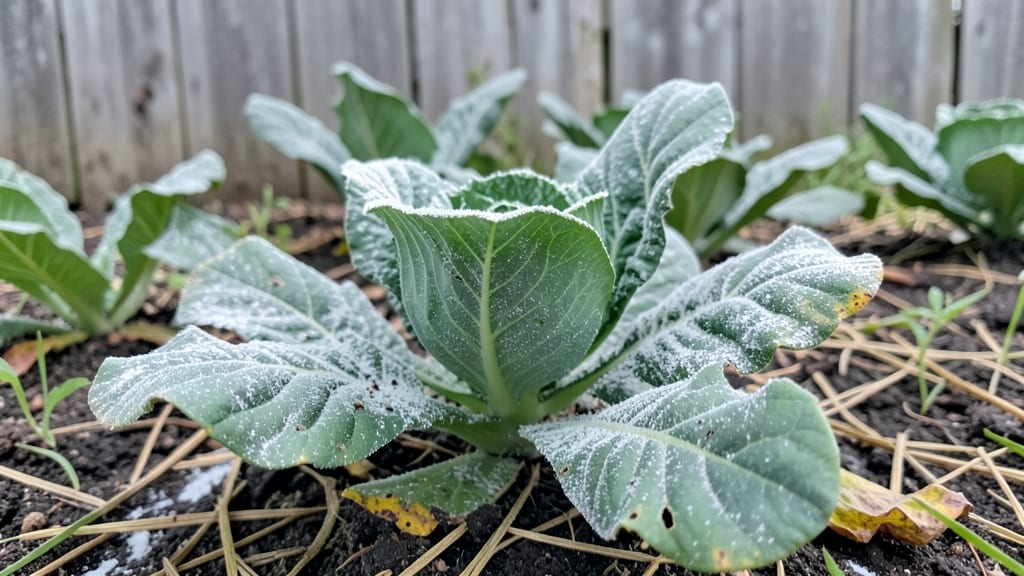
White mold on your plants isn’t just unsightly—it’s a silent threat that can weaken your garden’s health. I’ve battled this fuzzy invader on my roses and squash, and I’ll show you how to banish it without harsh chemicals that harm your soil or pollinators.
The key? Acting fast with simple, plant-safe fixes that actually work.
This isn’t just about scrubbing leaves—it’s about fixing the conditions that let mold thrive. Too much shade, crowded plants, or water splashing on foliage create the perfect mold party.
I’ll walk you through organic sprays, pruning tricks, and smart watering habits that stop regrowth. No more guessing whether to toss a plant or wait it out.
By the end, your garden will be mold-free and thriving again. You’ll spot the early warning signs, know which plants are most vulnerable, and have a go-to plan for when white fuzz appears. The best part? These methods keep your garden safe for kids and pets while saving your plants.
Whether you’re dealing with powdery mildew on roses or downy mildew on veggies, these solutions adapt to your specific problem. Let’s get your garden back to its vibrant best—without the chemical cleanup.
The Hidden Triggers Behind Fungal Growth
White garden mold—often mistaken for harmless fluff—is actually a fungal invader that thrives under specific conditions. Understanding why it appears in your garden is the first step to stopping it before it spreads.
Below, we break down the key factors that turn your soil or plant surfaces into a fungal buffet.
Fungi love moisture, and white mold is no exception. When humidity levels stay consistently high—especially above 70%—spores germinate and spread rapidly. Poor airflow (like in dense plantings or shaded areas) traps moisture near foliage or soil, creating the perfect breeding ground.
Why it happens:
- Condensation buildup: Dew or water droplets on leaves (from overhead watering or evening humidity) provide a damp film for spores to latch onto.
- Compacted soil: Heavy or clay-rich soil holds excess water, suffocating roots and promoting fungal growth at the base of plants.
- Overcrowded plants: Tight spacing blocks airflow, keeping humidity trapped near stems and leaves.
💡 Pro Tip: Space plants 12–18 inches apart and prune foliage to improve circulation. If humidity is an issue, use a dehumidifier in greenhouses or shade structures.
While plants need water, soggy conditions are a fungal magnet. White mold spores lie dormant in soil until excess moisture activates them. Even well-draining soil can become a problem if water isn’t escaping properly.
Why it happens:
- Saturated soil: Waterlogged roots create anaerobic conditions, weakening plants and making them susceptible to fungal attacks.
- Potted plants with no drainage: Containers without holes trap water at the bottom, turning the root zone into a fungal hotspot.
- Irregular watering patterns: Alternating between drought and overwatering stresses plants, leaving them vulnerable to infections.
🔥 Actionable Fix:
- Water deeply but infrequently—aim for 1 inch per week (adjust for climate).
- Amend heavy soil with compost or perlite to improve drainage.
- Check pots for drainage holes—if none exist, repot or add a layer of gravel at the bottom.
White mold isn’t picky—it feasts on decaying leaves, mulch, and even old compost. When organic material piles up, it creates a nutrient-rich environment where fungal spores multiply uncontrollably.
Why it happens:
- Mulch buildup: Thick layers of wood chips or straw can suffocate soil and trap moisture, especially if not refreshed seasonally.
- Leaf litter: Fallen leaves act as a sponge, holding water against stems and encouraging mold growth.
- Untreated compost: Improperly decomposed compost may still harbor viable spores ready to infect nearby plants.
🌡️ Prevention Tip:
- Keep mulch 2–3 inches thick and 6 inches away from plant stems.
- Rake up fallen leaves regularly—compost them separately in a hot pile (140°F+ to kill spores).
- Avoid piling organic matter directly against plant bases.
Healthy plants resist fungal attacks, but stress—from nutrient deficiencies, pests, or transplant shock—opens the door for white mold. Even minor damage (like chewed leaves or root compaction) can invite infection.
Why it happens:
- Nutrient deficiencies: Lack of nitrogen, phosphorus, or potassium weakens cell walls, making plants easier targets.
- Pest damage: Insects (like aphids or slugs) create entry points for spores through broken tissue.
- Transplant shock: Newly planted specimens with disturbed roots are more susceptible until established.
💪 Boost Plant Resilience:
- Fertilize with a balanced NPK (10-10-10) formula before planting season.
- Inspect plants weekly for pests—use neem oil or soapy water sprays as a preventive.
- Hardening off seedlings gradually before transplanting to reduce shock.
By addressing these root causes, you’re not just treating white mold—you’re creating an environment where your plants thrive without inviting fungal guests back. Stay vigilant, and your garden will stay lush and mold-free! 🌿✨
Fixing Fungal Fuzz Naturally
Now that you know what’s causing that unsightly white film in your garden, it’s time to tackle it—without harsh chemicals that could harm your plants or the environment. The good news?
Many natural solutions are effective, easy to find, and safe for your green friends. Below, we’ve matched common causes to the best fixes, plus prevention tips to keep your garden thriving.
If your soil stays soggy too long, fungus thrives like a beach vacationer. Break the cycle with these steps:
🔥 Step 1: Adjust Your Watering Routine
- Water deeply but less frequently—aim for 1–1.5 inches per week (including rain).
- Morning is best: Water early so foliage dries by night, discouraging mold growth.
- Avoid overhead watering: Use drip irrigation or soaker hoses to keep leaves dry.
🍳 Step 2: Improve Soil Drainage
- Mix in coarse sand, perlite, or compost to loosen heavy clay soil.
- Raise containers if they’re prone to waterlogging—add feet or use pots with drainage holes.
- Mulch properly: Use straw or wood chips (not thick layers), keeping them 2–3 inches away from plant stems to allow airflow.
👨🍳 Step 3: Prune for Better Airflow
- Trim crowded or dead foliage to improve circulation.
- Space plants according to their mature size—overcrowding = mold’s favorite party spot.
⏰ Prevention Pro Tip: 💡 Test your soil’s moisture level with your finger. If the top 1–2 inches stay damp for days, it’s time to cut back on water.
Stressed plants are like open invitations to fungus. Strengthen them with these care tweaks:
🥘 Step 1: Feed Them Right
- Compost tea (homemade or store-bought) adds beneficial microbes that outcompete mold.
- Balanced fertilizer (like 10-10-10) gives plants the nutrients they need to fight off invaders.
🔪 Step 2: Remove Affected Areas
- Snip off yellowed or moldy leaves with sterilized pruners (wipe with rubbing alcohol between cuts).
- Dispose of infected plant debris in the trash—not the compost bin!
🌡️ Step 3: Quarantine New Plants
- Keep newly purchased plants separate for 2–4 weeks to spot (and treat) any hidden issues before they spread.
✨ Prevention Pro Tip: 💡 Rotate crops annually to prevent soil-borne fungus buildup—just like you wouldn’t wear the same outfit every day!
Low light and high humidity create the perfect mold spa. Counteract it with these fixes:
🔥 Step 1: Increase Sunlight
- Move shade-loving plants to slightly sunnier spots (even dappled light helps).
- Thin out dense foliage to let light penetrate deeper.
🍳 Step 2: Boost Airflow
- Use a small fan on low setting near susceptible plants (like ferns or hostas).
- Space plants wider—aim for 12–18 inches between stems for good airflow.
👨🍳 Step 3: Reduce Humidity
- Group plants by water needs—don’t mix drought-tolerant succulents with thirsty ferns.
- Ventilate greenhouses or cold frames daily with open windows or fans.
🎯 Prevention Pro Tip: 💡 Avoid watering at night—evening moisture lingers, turning your garden into a fungal buffet.
If the mold persists, try these natural sprays (test on a small area first!):
| Solution | How to Use | Frequency |
|---|---|---|
| Baking Soda Spray | Mix 1 tsp baking soda + 1 tsp dish soap + 1 gallon water. Spray foliage. | Every 7–10 days |
| Neem Oil | Combine 1 tbsp neem oil + 1 tsp soap + 1 quart water. Spray at dusk. | Weekly until cleared |
| Hydrogen Peroxide | Use 3% food-grade H₂O₂ + 1 tsp soap per gallon. Spray directly on mold. | Every 3–5 days |
| Vinegar Spray | Mix 1 part white vinegar + 1 part water. Spray early morning (avoid edibles). | Every 5–7 days |
⚠️ Caution: Always spray early in the day so leaves dry quickly. Avoid edible plants with vinegar or hydrogen peroxide.
Keep your garden mold-free with these easy habits:
- Rotate crops every 2–3 years to prevent soil fatigue.
- Sterilize tools with rubbing alcohol after pruning.
- Choose resistant varieties (e.g., mold-tolerant hostas or mildew-resistant roses).
- Monitor humidity—aim for 40–60% in your garden space.
- Inspect new plants for white powdery signs before bringing them home.
Final Thought: 🌿 Most garden mold is manageable with a little TLC. Start with airflow and water adjustments, then move to natural sprays if needed. Your plants will thank you—and so will your green thumb!
Frequently asked questions
Is white garden mold always harmful to my plants?
Not all white mold is dangerous, but most types—like powdery mildew or downy mildew—can weaken plants over time. Early stages may just look unsightly, but if left unchecked, it can block sunlight, reduce photosynthesis, and spread to healthy foliage. Act fast if you see white fuzz on leaves or stems.
Can I use vinegar to treat white mold on edible plants?
No, vinegar sprays are best for ornamental plants only. The acidity can damage edible crops and leave a bitter taste. For veggies and herbs, use baking soda spray (1 tsp baking soda + 1 tsp soap + 1 gallon water) instead—it’s safe and effective.
How do I know if my white mold is on leaves or in the soil?
Check the location first: Leaf mold appears as powdery patches on stems or foliage, while soil mold looks fuzzy on the ground or at the base of plants. Tap the area—if it crumbles easily, it’s likely soil-based. Leaf mold often spreads faster in humid conditions.
Will my compost pile cause white mold in my garden?
Only if it’s not properly heated. A hot compost pile (140°F+) kills fungal spores, but cold piles can spread mold. Turn your pile regularly and keep it moist (like a damp sponge) to prevent fungal growth. If mold appears, add more carbon-rich materials (like dry leaves).
Can I save a plant completely covered in white mold?
It depends on how severe the infection is. If only a few leaves are affected, prune them off and treat with neem oil. For heavily infected plants, isolate them and focus on preventing spread to others. In extreme cases, you may need to remove the plant entirely to protect your garden.