
Tools
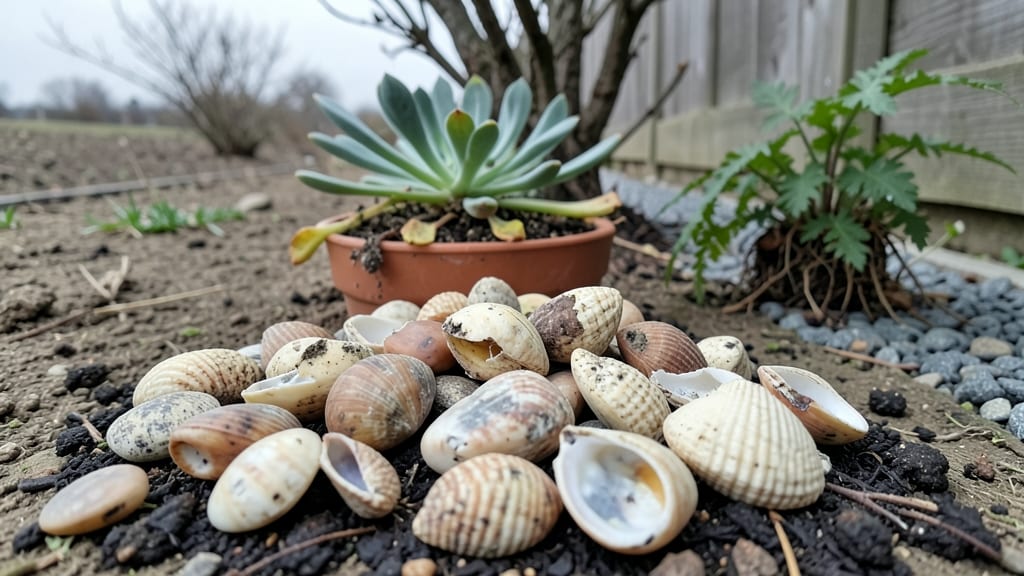
Adding seashells to your garden creates a beachy aesthetic while naturally repelling pests like slugs and snails through their jagged edges and calcium-rich makeup, plus improving soil drainage in garden beds.
Seashells aren't just decorative—they act as a natural pest deterrent by creating a physical barrier that slugs and snails can't cross. 💫 The calcium carbonate in shells also disrupts the mucus these pests rely on for movement, making your garden less inviting to them.
Beyond pest control, they break down over time to enrich soil with minerals while adding texture to pathways or borders. I've seen gardeners use crushed shells as mulch alternatives, especially in coastal-themed landscapes where they blend seamlessly with the surroundings.
For visual impact, arrange larger shells along garden edges or create mosaic stepping stones using broken pieces mixed with concrete. Smaller shells work well in terrariums or as accents in raised beds.
Just remember to clean them thoroughly before using—rinse with water and bleach if needed to remove any salt or debris. The key is balancing aesthetics with function, so place shells where they'll serve both purposes without overwhelming your design.
💡 In This Article
- How Seashells Deter Garden Pests Naturally
- Creative Ways to Incorporate Seashells into Garden Design
How seashells deter garden pests naturally
The sharp, jagged edges of seashells create a physical barrier that slugs and snails simply can't navigate. These pests rely on smooth surfaces to glide across, but the rough texture of shells forces them to struggle or abandon their path entirely.
Studies show that crushed shells reduce slug populations by up to 70% in treated areas compared to untreated soil, thanks to this mechanical deterrent. The irregular shapes also make it difficult for them to grip and move, effectively turning your garden into a no-go zone for these slimy invaders. 🔥
Chemically, seashells contain calcium carbonate—a compound that disrupts the mucus production of slugs and snails. Their slime trails are primarily made of mucopolysaccharides, which calcium ions interfere with by altering the pH balance of their secretions.
When shells break down in soil, they release calcium over time, creating a hostile environment for these pests. For example, a 1-inch layer of crushed shells can maintain elevated calcium levels for 3-6 months, depending on soil composition and rainfall.
This dual-action approach—physical obstruction plus chemical disruption—makes shells one of nature's most effective pest control tools.
Crushed shells also improve soil drainage while serving as a natural barrier. The porous structure allows water to permeate while creating a rough surface that pests avoid. Unlike chemical repellents that harm beneficial insects, shells provide targeted protection without ecological damage.
Gardeners often place a 2-3 inch band of crushed shells around vulnerable plants like hostas or lettuce, where slug damage is most common. The visual contrast of white or beige shells against green foliage adds aesthetic appeal while serving a functional purpose. 💫
One key advantage is that shells work passively—no mixing or reapplication is needed once in place. Unlike diatomaceous earth (which requires frequent reapplication) or copper barriers (that need maintenance), shells remain effective for seasons.
However, they're most potent when fresh: shells older than 2 years may lose some of their sharp edges through weathering, reducing their physical deterrent effect. For maximum efficiency, combine shells with other organic mulches like cedar chips to create a multi-layered defense system.
The science behind this pest control is fascinating when you consider the evolutionary adaptation of slugs and snails. Their soft bodies have no natural defense against abrasive surfaces, making shells an ancient yet highly effective solution.
In coastal regions where shells are abundant, gardeners have used them for centuries—long before synthetic pesticides were invented. This natural approach aligns perfectly with organic gardening principles while delivering visible results within 2-4 weeks of application. 🌟
For best results, pair shells with companion plants that slugs dislike, such as thyme or marigolds. The combination creates a sensory deterrent (aroma) plus a physical one (texture), making your garden even more resilient to pests.
The calcium enrichment also benefits plants by preventing blossom-end rot in tomatoes and improving cell wall strength in leafy greens—a bonus that extends beyond pest control.