
Pests
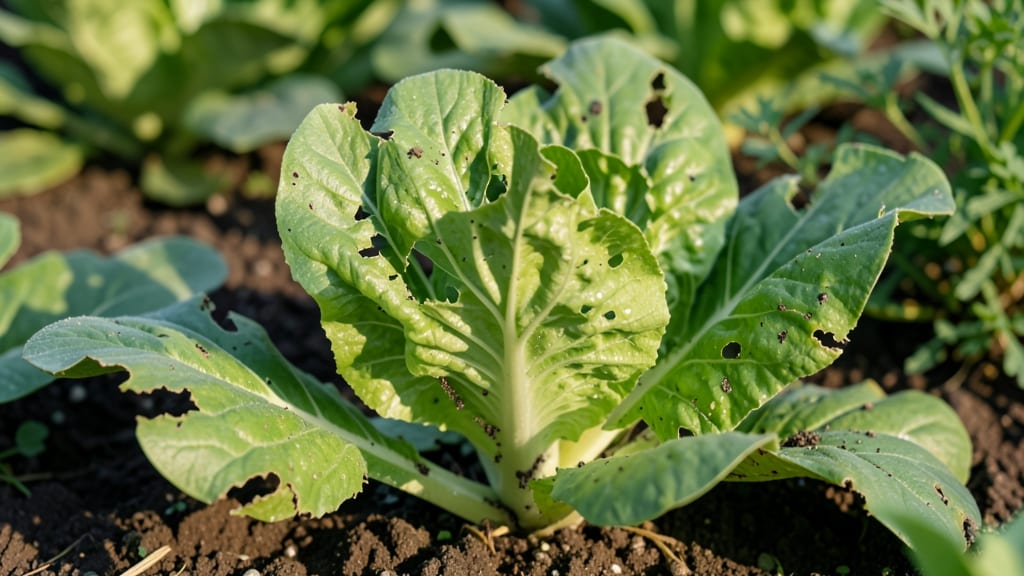
A slug prevention garden isn’t about chemicals—it’s about outsmarting them with plants and barriers they’ll avoid. 🌿 I lost my first tomato crop to these slimy pests before realizing that the right plant neighbors and simple physical tricks could turn my garden into a slug-free zone.
The key is creating an environment where slugs never want to linger, and your plants thrive without a fight.
Start with companion plants like thyme, mint, or lavender—their strong scents repel slugs naturally. Add copper tape around raised beds or containers, which gives them a mild electric shock when they cross.
Even a shallow trench filled with diatomaceous earth (food-grade only) creates an invisible barrier they’ll avoid. These methods work together to protect your garden without harming beneficial insects or the soil.
Within weeks, you’ll notice fewer slime trails on your leaves and more robust growth. The plants you’ve been struggling to save will finally get the chance to flourish, free from the damage slugs leave behind.
Best of all, this approach keeps working season after season with minimal upkeep—just a little planning upfront.
Works for vegetable gardens, flower beds, and even potted plants. The same principles apply whether you’re dealing with a small container garden or a full backyard plot. Here’s how to set it up right the first time.
The Hidden Triggers Behind Slug Infestations
Slugs may seem like harmless, slimy visitors to your garden, but they’re actually opportunistic pests that thrive when conditions align just right. Understanding why they overrun your plants is the first step to stopping them naturally.
Below, we break down the key factors that turn your garden into a slug buffet—so you can fix them before they become a problem.
Slugs are mollusks, which means they rely on moisture to stay alive. Without a damp environment, their soft bodies dry out and die. Here’s how excess moisture invites them in:
- Overwatering or poor drainage: Slugs love soggy soil, especially after heavy rain or if your garden retains too much water. Actionable fix: Test your soil’s drainage—if water pools after 30 minutes, amend with sand or organic matter to improve airflow.
- Thick mulch or dense foliage: Mulch is great for plants, but if it’s too thick (over 2–3 inches), it traps moisture and creates a slug hotel. Actionable fix: Use straw or pine needles (which dry out faster) instead of wood chips, and keep mulch 2 inches deep or less.
- Morning dew and humidity: Slugs are most active at night and dawn when humidity is high. Actionable fix: Water plants in the early morning so foliage dries by evening, reducing slug-friendly conditions.
💡 Pro Tip: If your garden is naturally shady (especially with hostas, lettuce, or ferns), slugs will flock there. Try: Prune overhanging branches to let in more sunlight or plant slug-repelling companions like thyme or garlic near vulnerable plants.
Slugs aren’t picky eaters, but they prefer soft, moist, and nutrient-rich plants. If your garden is a salad bar for them, they’ll stick around. Here’s what makes your plants irresistible:
| Plant Type | Why Slugs Love It | How to Protect It |
|---|---|---|
| Young seedlings | Thin stems are easy to chew. | Use egg cartons or copper tape as barriers. |
| Hostas, lettuce, cabbage | High moisture content = slug heaven. | Plant near drought-tolerant herbs (rosemary, lavender). |
| Decaying organic matter | Slugs lay eggs in compost piles. | Keep compost covered with a tarp and turn it frequently. |
🔥 Watch Out For: Slugs target stressed plants—those recovering from transplant shock or disease are even more vulnerable. Actionable fix: Strengthen plants with compost tea or seaweed extract to boost resilience.
Slugs are nocturnal and need shelter during the day to avoid drying out. If your garden offers them cozy hideouts, they’ll move in permanently. Common slug sanctuaries include:
- Debris and leaf litter: Piles of leaves, rocks, or boards create microclimates that stay damp. Actionable fix: Clear debris regularly and store firewood off the ground and away from plants.
- Ground-hugging plants: Low-growing plants like impatiens or begonias provide perfect hiding spots. Actionable fix: Elevate plants with gravel or raised beds to reduce slug access.
- Wooden structures: Slugs thrive under wooden decking, sheds, or garden furniture. Actionable fix: Lift structures off the ground with bricks or concrete blocks to improve airflow.
🌡️ Temperature Matters: Slugs are less active in hot, dry conditions but multiply rapidly in cool, wet springs and falls. Actionable fix: Use black plastic mulch in summer to deter them by raising soil temps.
In a healthy garden ecosystem, birds, frogs, ground beetles, and hedgehogs keep slug populations in check. But if these predators are missing, slugs take over. Common reasons for the imbalance:
- Lack of habitat for predators: Birds need perches and nesting sites, while hedgehogs require leaf litter and dense ground cover. Actionable fix: Add a small pond, brush piles, or a hedgehog house to attract them.
- Pesticide use: Chemical pesticides kill beneficial insects that eat slugs (like rove beetles and spiders). Actionable fix: Switch to neem oil or diatomaceous earth for targeted pest control.
- Urban or suburban gardens: Lawns and manicured landscapes lack biodiversity, leaving slugs with no natural enemies. Actionable fix: Plant native wildflowers and shrubs to support predator populations.
✨ Encourage Predators: Leave a small patch of "wild" garden (untidy but undisturbed) to give predators a home. Even a log pile or a corner with tall grass can make a difference!
How to solve it
Slugs may seem unstoppable, but with the right strategies, you can reclaim your garden without resorting to harsh chemicals. Below, we’ve mapped out targeted solutions based on the most common causes of slug invasions—so you can tackle the problem at its source while keeping your plants safe and thriving. 🚀
Slugs thrive in moist conditions, so reducing excess water is your first line of defense. If your garden stays soggy after rain or overwatering, slugs will move in like uninvited guests.
How to Fix It:
✅ 🔥 Adjust Your Watering Schedule
- Water early in the morning (before 10 AM) to allow soil to dry out during the day.
- Use drip irrigation or soaker hoses instead of overhead sprinklers to minimize moisture on leaves and soil.
- Pro Tip: Test soil moisture with your finger—if the top 1–2 inches are damp, hold off on watering. 🌡️
✅ 🥘 Improve Drainage
- Amend heavy clay soil with compost or sand to help water drain faster.
- Raise garden beds slightly or add a layer of gravel beneath potting mix if growing in containers.
✅ 💡 Create Dry Zones
- Mulch with coarse materials like pine straw, straw, or wood chips (avoid fine mulch, which traps moisture).
- Leave a 6-inch gap between mulch and plant stems to prevent slugs from hiding in damp layers.
Slugs are drawn to tender, juicy, or decaying plants. If your garden is a buffet for them, they’ll keep coming back for seconds.
How to Fix It:
✅ 🍳 Choose Slug-Resistant Plants
- Swap vulnerable plants (like lettuce, hostas, or impatiens) for slug-deterring alternatives:
| Slug Magnet | Slug-Resistant Swap |
|---|---|
| Lettuce | Kale, Swiss chard, or arugula (with protective netting) |
| Hostas | Hellebores, ferns, or ornamental grasses |
| Impatiens | Begonias, coleus, or snapdragons |
✅ 👨🍳 Harden Up Young Plants
- Avoid planting seedlings until they’re at least 2–3 inches tall—slugs prefer tender new growth.
- Use biodegradable collars (like cardboard tubes or crushed eggshells) around stems to create a barrier.
✅ 🔪 Remove Debris & Decay
- Clear fallen leaves, rotting wood, and thick mulch piles where slugs hide and lay eggs.
- Pro Tip: Turn compost piles regularly to expose slug eggs to sunlight (they die within 48 hours). ☀️
Birds, frogs, ground beetles, and chickens all eat slugs—but if your garden lacks these helpers, slugs multiply unchecked.
How to Fix It:
✅ 🐦 Invite Slug Hunters to Your Garden
- Install a birdbath or small pond to attract amphibians like frogs and toads.
- Plant native flowers (e.g., marigolds, lavender, or yarrow) to lure predatory insects like ground beetles.
- Pro Tip: If you have chickens, let them free-range in the garden during the day—they’re slug vacuums! 🐔
✅ ⏰ Create Safe Havens
- Leave a few leaf litter piles or logs in shady spots for beetles and spiders to thrive.
- Avoid broad-spectrum pesticides, which kill beneficial insects along with pests.
Slugs are experts at slipping under fences or through gaps. Without barriers, they’ll find a way into your garden.
How to Fix It: ✅ 🧱 Build Slug-Proof Barriers
- Copper tape: Wrap it around raised beds or containers—slugs get a mild electric shock and avoid it.
- Diatomaceous earth (DE): Sprinkle food-grade DE around plant bases (reapply after rain).
It dehydrates slugs but is harmless to plants. - Crushed eggshells or gravel: Create a 2–3 inch border around beds (renew every few weeks).
✅ 🌟 Use Traps Strategically - Beer traps: Bury a shallow container filled with beer at soil level—slugs crawl in and drown.
Refresh every 2–3 days. 🍺 - Ginger beer traps: Soak ginger slices in beer for a stronger lure (slugs are drawn to the smell). - Pro Tip: Place traps near high-traffic slug areas (like under hosta leaves) for best results. 🎯
By addressing the root causes—whether it’s moisture, plant choices, or missing predators—you’ll create a garden that’s far less appealing to slugs. Combine a few of these methods for a multi-layered defense, and you’ll enjoy a slug-free oasis without harming your plants or the planet. 🌿✨
Frequently asked questions
What are the most effective natural slug repellents for garden beds?
Plant strong-scented herbs like thyme, mint, or lavender near vulnerable plants—their fragrance confuses slugs. Crushed garlic or chili pepper sprays also work well. For physical barriers, try copper tape (gives them a mild shock) or crushed eggshells around plant bases. These methods deter slugs without chemicals.
Can I use diatomaceous earth for slug control in vegetable gardens?
Yes, but only food-grade diatomaceous earth (DE). Sprinkle a thin layer around plants and reapply after rain. It dehydrates slugs by damaging their slimy coating, but avoid overapplying—it can dry out soil. Always wear a mask when handling DE to protect your lungs.
How do I keep slugs out of potted plants?
Place pots on saucers filled with coarse sand or gravel to create a dry barrier. Elevate containers with pot feet to improve airflow and reduce moisture. For extra protection, wrap copper tape around the pot edges or use a ring of crushed eggshells at the base.
Will slugs go away on their own if I ignore them?
Unlikely. Slugs multiply quickly in ideal conditions (moisture, shade, and organic matter). Without intervention, they’ll continue damaging plants. Introducing natural predators (like birds or frogs) or implementing barriers is the best long-term solution to prevent an infestation.
Can I use coffee grounds to repel slugs?
Yes, but with caution. Coffee grounds can help deter slugs when sprinkled around plants—they dislike the acidity. However, they also acidify soil over time, so use them sparingly. For best results, mix them with other mulch materials to balance the effect.