
Pests
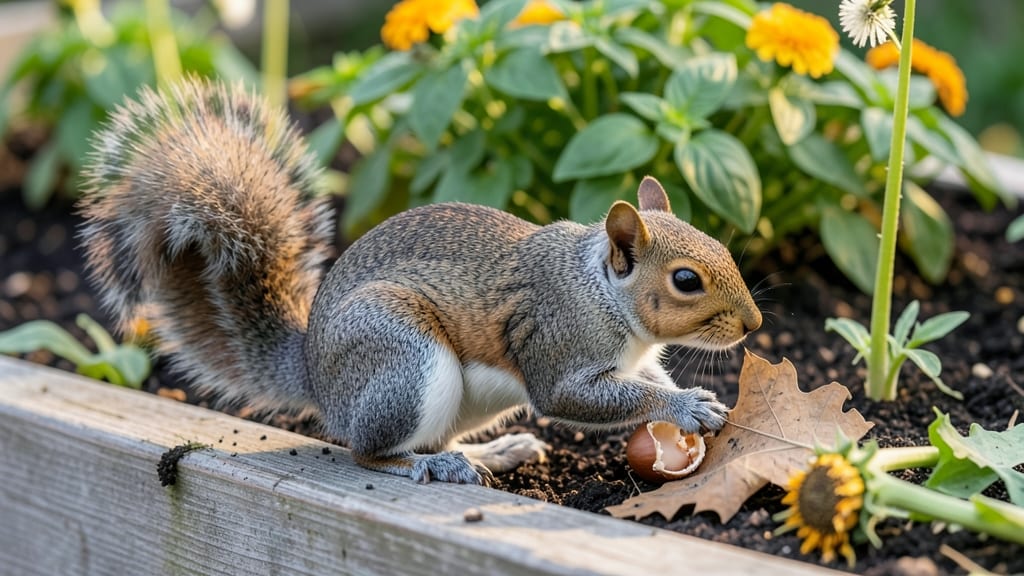
My squirrel prevention garden started after they demolished my tomato plants in three days. 🌱 The key isn't just chasing them away—it's designing your space so they lose interest entirely, using smart barriers, plant choices, and habitat tweaks that actually work.
These aren't temporary fixes; they're long-term strategies that protect your garden while keeping wildlife in balance.
The best solutions combine physical deterrents like fine mesh or flexible fencing with plants squirrels avoid—think daffodils, alliums, or marigolds. I've even used motion-activated sprinklers as a last resort, but the real game-changer is eliminating what attracts them in the first place: easy access to food, shelter, and nesting spots.
It takes some upfront work, but once set up, these methods require minimal maintenance.
You'll end up with a garden where squirrels take one look and move on to easier targets. No more stolen harvests, no more dug-up bulbs, and no more feeling like your yard is a squirrel buffet.
The peace of mind alone makes it worth the effort—plus, your plants will thank you with bigger, healthier growth all season.
Works for vegetable gardens, flower beds, and even small urban spaces. The techniques scale from a single raised bed to a full backyard, and they're all designed to keep your garden thriving without harming the wildlife you actually want around. Let's get started with the right approach for your space.
The Hidden Triggers Inviting Squirrels
Squirrels may look like harmless, adorable garden visitors, but when they start digging, chewing, or raiding your plants, they can quickly become unwelcome pests. Understanding why they’re drawn to your garden in the first place is the first step to creating an effective squirrel-proof barrier.
These clever critters are motivated by a mix of instinct, survival needs, and environmental cues. Let’s break down the key reasons they invade your outdoor space—and how to address them.
Squirrels are foragers by nature, and your garden is essentially an all-you-can-eat buffet if it offers the right snacks. Their diet is 90% plant-based, with a preference for nuts, seeds, fruits, and tender young plants. Even if you don’t intentionally plant squirrel favorites, they’ll target:
- Mature nut trees (oak, hickory, walnut) – Squirrels cache nuts for winter, often burying them near your property lines.
- Seed packets and bulbs – A single squirrel can demolish a bag of sunflower seeds or tulip bulbs in minutes.
- Fruiting plants (tomatoes, berries, grapes) – Ripe fruit is a protein-rich treat for them.
- Birdseed feeders – Even if you don’t feed birds, squirrels will raid nearby feeders or spilled seed on the ground.
Why it matters: Squirrels have excellent spatial memory and will return to a food source repeatedly. If they find one easy meal in your garden, they’ll keep coming back—often bringing their families with them.
Squirrels need safe, dry places to nest, especially during breeding season (late winter to early spring) and harsh weather. Your garden may unknowingly offer:
- Hollow trees or dense shrubs – Tree squirrels prefer elevated nests (dreys) made of leaves and twigs, while ground squirrels burrow near rock piles or thick mulch.
- Attics, sheds, or under decks – If your home has gaps in siding, vents, or roofing, squirrels will squeeze in for winter warmth.
- Piles of debris or wood stacks – Leaves, branches, or even unsecured compost heaps provide perfect nesting material.
Why it matters: A squirrel’s nesting site is a territorial claim. If they find a cozy spot in your yard, they’ll defend it aggressively—and may even chew wiring or insulation to expand their space.
In urban and suburban areas, squirrels face fewer predators (like hawks, foxes, or coyotes) and more human interference, which can make them bolder. Here’s how your garden might unintentionally encourage their behavior:
- Overwatered or soft soil – Squirrels dig burrows more easily in loose, damp earth (common in over-irrigated lawns or garden beds).
- Open compost bins – The scent of decaying food attracts them, and they’ll tear through bags to access scraps.
- Lack of diverse wildlife – If your garden lacks birds of prey or small mammals, squirrels see fewer threats and explore more freely.
- Human food sources – Pet food left outside, fallen fruit from trees, or even unsecured trash cans become easy meals.
Why it matters: Squirrels are opportunistic. When they perceive low risk, they’ll take advantage of any resource—even if it means raiding your vegetable garden or gnawing on your deck railing.
Squirrels don’t invade gardens randomly—they follow seasonal survival strategies. Their actions change based on:
| Season | Squirrel Motivation | Garden Targets |
|---|---|---|
| Spring | Breeding season; females need protein for babies. | Newly planted bulbs, bird eggs, tender shoots (like lettuce or peas). |
| Summer | Hydration and fat storage for winter. | Ripe fruits, watermelon rinds, irrigation systems (they chew hoses for water!). |
| Fall | Nut caching and hoarding for winter. | Acorns, walnuts, sunflower seeds, and buried caches near property lines. |
| Winter | Desperation for food and shelter. | Stored birdseed, bark stripping on trees, and even insulation in attics. |
Why it matters: If you don’t adjust your squirrel prevention tactics seasonally, you’ll leave gaps they’ll exploit. For example, summer squirrels are thirsty—so they’ll chew through irrigation lines—while fall squirrels are obsessed with caching, meaning they’ll dig up your lawn to bury nuts.
Actionable takeaway: Squirrels invade for three core reasons: food, shelter, and perceived safety. By identifying which triggers apply to your garden, you can targetedly disrupt their plans—whether that means securing food sources, removing nesting sites, or introducing natural deterrents. The next step? Learning how to turn these triggers into barriers.
Stop Squirrels Before They Start
Squirrels may seem cute, but they can turn your garden into a chaotic construction zone—digging up bulbs, gnawing on plants, and even stripping bark from young trees. The good news?
With the right strategies, you can outsmart these furry intruders. Below, we’ll match common squirrel behaviors to practical, nature-friendly fixes that protect your garden without harming wildlife.
Squirrels love to bury and steal food, especially nuts, seeds, and spring bulbs. If you notice freshly turned soil or missing plants, they’re likely caching snacks for later.
🔥 Fix: Secure Food Sources & Disrupt Digging Habits
- 🍳 Use Wire Mesh Barriers Bury hardware cloth (1/4-inch mesh) around bulbs, perennials, and young trees—squirrels can’t dig through it!
For existing plants, wrap the base of the stem with mesh and secure it with wire or tape. Pro Tip: Extend the mesh 6–12 inches deep and 6 inches above ground to prevent tunneling or climbing.
- 👨🍳 Plant Squirrel-Resistant Alternatives Swap tempting treats like tulips, daffodils, or hostas for squirrel-proof plants:
- Flowers: Marigolds, snapdragons, or daisies (bitter taste).
- Vegetables: Peppers, onions, or garlic (squirrels dislike the smell).
- Trees/Shrubs: Boxwood, holly, or Russian olive (thorny or toxic to them).
- 🥘 Scatter Fake Food or Distractions Bury plastic "bulbs" (available at garden stores) or spread gravel where you don’t want digging. Squirrels will get confused and move on.
Squirrels gnaw on tree bark—especially in winter—for nutrition and to sharpen teeth. This can kill young trees or leave unsightly damage.
🔪 Fix: Protect Trees & Remove Incentives
- ⏰ Wrap Trees with Trunk Guards Use tree guards (plastic, metal, or cardboard spirals) to shield bark. For extra security, add a coating of bitter apple spray (squirrels hate the taste!). Pro Tip: Apply guards before winter when squirrel activity peaks.
- 🌡️ Provide Alternative Food Sources Set up a squirrel feeder away from your garden with unsalted peanuts, sunflower seeds, or corn. This gives them an easier (and less destructive) snack option.
- 🎯 Prune Strategically Trim branches so squirrels can’t jump from tree to tree near your garden. Keep ground cover sparse—thick mulch gives them cover to approach undetected.
Squirrels love cozy spots like birdhouses, sheds, or dense shrubs to build nests. If you hear scratching or see shredded leaves, they’ve moved in.
💡 Fix: Make Your Garden Less Inviting
- 🔥 Seal Entry Points
- Birdhouses: Use squirrel-proof models with small holes (1.25-inch diameter) or baffles to block access.
- Sheds/Garages: Install door sweeps, mesh vents, or hardware cloth over gaps.
- Shrubs: Trim back dense foliage to remove hiding spots.
- 🌡️ Add Predator Deterrents (Safely!) Place fake owls or snakes near nesting areas—squirrels are wary of perceived threats. For a non-toxic option, try predator urine granules (available at garden stores).
- ✨ Relocate Existing Nests (If Possible) If squirrels have already nested, wait until nightfall (when they’re active) to gently relocate them with a live trap and release them at least 2 miles away (check local laws first).
- 💡 Regularly Inspect Your Garden for new digging spots or chewed plants. Act fast—squirrels learn quickly! - 🌡️ Use Strong Scents as Deterrents Sprinkle cayenne pepper, garlic powder, or crushed red pepper near problem areas.
Reapply after rain. - 🎯 Keep Your Yard Tidy Remove fallen nuts, seeds, and pet food—these attract squirrels like magnets. Store trash in sealed metal cans. - 🔥 Try Motion-Activated Sprinklers Devices like ScareCrow spray water when squirrels approach, startling them without harm.
Final Thought: Squirrels are clever, but you’re smarter! Combine physical barriers, scent deterrents, and alternative food sources for a garden that’s off-limits to these busy little builders. With patience and consistency, you’ll reclaim your green space—without the chaos. 🌿🐿️➡️🚫
Frequently asked questions
What are the most effective squirrel-proof plants for gardens?
Squirrels dislike plants with strong scents or toxic properties. Try marigolds, daffodils, or alliums—their pungent aromas repel them naturally. For vegetables, peppers, onions, and garlic are safe choices since squirrels avoid their smell. Even boxwood shrubs work well as living barriers due to their thorny texture.
How deep should I bury hardware cloth to stop digging?
For maximum protection, bury hardware cloth at least 12 inches deep around vulnerable areas like bulb beds or young trees. Extend it 6 inches above ground to prevent squirrels from climbing over. This creates an underground barrier they simply can't dig through.
Will motion-activated sprinklers really scare squirrels away?
Yes! Devices like ScareCrow sprinklers work by spraying water when they detect movement, startling squirrels without harm. The key is placement—position them near high-traffic areas where squirrels approach your garden. They'll learn to avoid the area after just a few activations.
Can I use pepper spray to deter squirrels from my garden?
While pepper spray can work, it's not the most practical solution. Squirrels will quickly learn to avoid treated areas, but the scent may linger and affect other wildlife. Instead, opt for natural repellents like cayenne pepper or garlic powder, which are safer and just as effective when reapplied after rain.
How do I keep squirrels from nesting in my birdhouses?
Use squirrel-proof birdhouses with small entrance holes (1.25 inches) or install baffles above the perch. For existing nests, relocate them at night using a live trap—release them 2+ miles away to prevent them from returning. Regularly check for new nesting attempts during spring and fall.