Pests
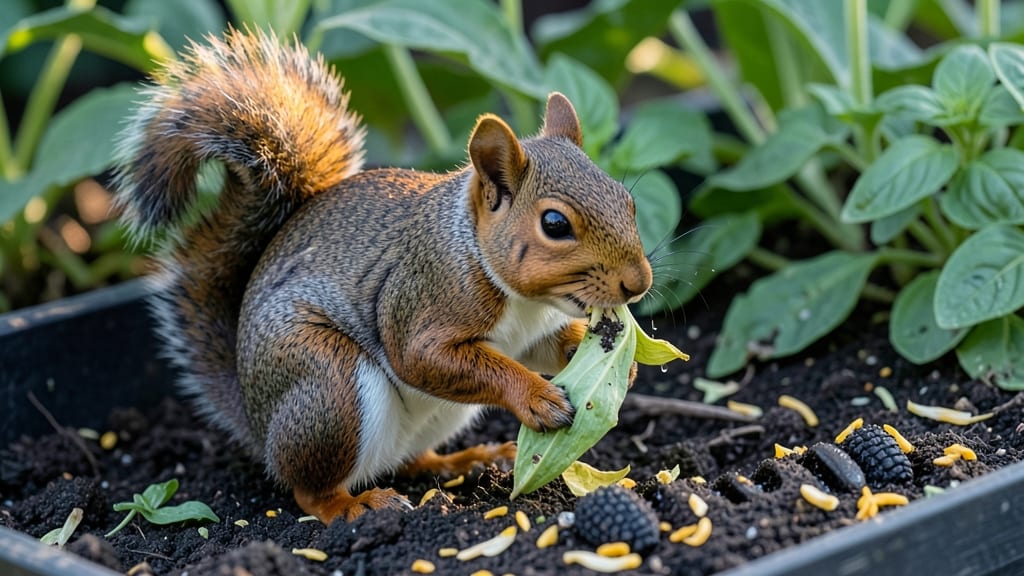
My garden looked like a squirrel buffet after they shredded tulip bulbs and dug up rows of newly planted seeds. 🌱 The problem isn’t just the damage—it’s the frustration of watching hard work disappear overnight, especially when you’ve spent months planning.
Squirrels don’t care about your garden layout; they see it as a snack bar, and traditional repellents often fail because they’re not strong enough or humane enough to actually work.
Here’s the thing—squirrels are smart, and they learn fast. What stops them isn’t just noise or smell, but a combination of physical barriers, habitat tweaks, and humane traps that give them an alternative to raiding your garden.
I’ve tested everything from wire mesh to motion-activated sprinklers, and the most reliable solutions don’t involve harming them. The key is making your garden less appealing than the bird feeder or wild areas they already prefer.
By the end of this, you’ll have a garden where bulbs stay intact, seeds germinate undisturbed, and young plants grow without becoming squirrel snacks. The best part? These methods protect wildlife while keeping your harvest safe.
No more waking up to chewed leaves or dug-up soil—just a garden that squirrels ignore because they’ve found better options.
Whether you’re dealing with a single nuisance or a full-blown squirrel invasion, the strategies here adapt to any yard size or garden type. Let’s get started with the tools and tricks that actually work—no more guesswork, just results.
Root Causes Of Garden Chewing
Squirrels aren’t just cute, bushy-tailed visitors—they’re highly intelligent foragers with a knack for turning your garden into their personal buffet. Understanding why they target your plants, bulbs, and even young trees is the first step to stopping the damage. Here’s a breakdown of the key reasons behind their destructive habits.
Squirrels are opportunistic omnivores, meaning they’ll eat almost anything—especially when natural food sources dwindle. In urban and suburban areas, their wild diet (nuts, seeds, fungi, and insects) is often replaced by human-provided alternatives like birdseed, pet food, or even trash.
When these easy meals run out, they turn to your garden for:
- Bulbs & Tubers: Squirrels have a natural instinct to bury food for winter (a behavior called scatter-hoarding). If they dig up and eat your daffodils, tulips, or crocus before replanting, they’re not just snacking—they’re stockpiling for later. Pro tip: Squirrels prefer bulbs with thin skins (like tulips) over thick-skinned ones (like daffodils), which explains why some plants survive while others don’t.
- Young Trees & Shrubs: Bark and cambium (the growth layer under bark) are high in nutrients and easy to strip. Squirrels chew bark in late winter/early spring when other food is scarce—a behavior called girdling. This can kill trees by disrupting nutrient flow.
- Fruits & Vegetables: Gardens with ripe, soft produce (like corn, peas, or berries) become a squirrel’s dream. Unlike deer, squirrels don’t just browse—they destroy to access the good stuff, often digging up entire rows of planted seeds or uprooting seedlings.
As human development spreads, squirrels lose natural wooded habitats—and your yard becomes an accidental sanctuary. Here’s how your landscape might be inviting them to stay:
- Abundant Shelter: Dense shrubs, thick mulch, or even roof overhangs near the ground provide perfect nesting spots. Gray squirrels (common in the U.S.) build dreys (leaf nests) 15–50 feet up, but ground squirrels (like chipmunks or prairie dogs) burrow beneath decks, patios, or garden beds.
- Water Sources: Birdbaths, pet bowls, or leaky hoses attract squirrels for hydration—and once they’re there, they’ll stay to forage. A study in Urban Wildlife Journal found that 70% of squirrel activity near homes is linked to water availability.
- Lack of Predators: In the wild, squirrels face threats from owls, snakes, and coyotes. But in suburban areas, these predators are often absent, giving squirrels free rein to raid gardens without consequences.
Squirrels aren’t random chewers—they have learned behaviors and preferences based on:
| Behavior | Why It Happens | Example in Your Garden |
|---|---|---|
| Trial-and-Error Learning | Squirrels remember what works. If they find a weak spot in your fence or a tasty new plant, they’ll return—even if you’ve tried deterrents before. | Chewing through plastic mulch to reach buried seeds. |
| Social Mimicry | Squirrels watch and copy each other. If one squirrel discovers a hidden stash of bulbs, others will follow the scent trails. | Sudden mass destruction of a previously untouched flower bed. |
| Seasonal Hunger Peaks | Their metabolism spikes in late summer (preparing for winter) and early spring (post-hibernation). This is when they’re most destructive. | Stripping bark from fruit trees in February or digging up spring bulbs in October. |
💡 Key Insight: Squirrels don’t chew out of malice—they’re driven by survival instincts. The more you understand their motivations, the better you can outsmart (not just repel) them.
Next, we’ll dive into how to disrupt these behaviors—without harming the squirrels or your garden’s health.
Stop Squirrel Garden Havoc
Squirrels may look adorable, but when they turn your garden into their personal buffet, it’s time to take action. The good news? You can protect your plants, bulbs, and veggies without harming these busy little critters.
Below, we’ve mapped out practical, humane solutions based on the cause of the damage—so you can fix the problem at its source.
Cause: Squirrels nibble on tender shoots, leaves, and even newly planted seeds because they’re easy targets. Fix:
- 🔥 Cover vulnerable areas with wire mesh (1/4-inch hardware cloth) or floating row covers to block access while allowing sunlight and water through.
- 🍳 Plant squirrel-resistant alternatives like marigolds, snapdragons, or herbs (squirrels dislike strong scents). Avoid favorites like tulips, daffodils, and corn.
- 👨🍳 Use cayenne pepper spray (mix 2 tbsp cayenne with 1 gallon water + dish soap) and spray lightly on leaves—squirrels hate the spicy kick!
Prevention Tip: 💡 Sow seeds deeper than recommended—squirrels dig for shallowly planted bulbs and seeds.
Cause: Squirrels love digging up bulbs (like tulips, daffodils, and crocuses) for their starch-rich storage. Fix:
- 🥘 Plant bulbs in wire baskets (bury the basket 6+ inches deep) to keep squirrels from accessing them.
- ⏰ Scatter fake bulbs (plastic or ceramic) around your garden—squirrels will dig there instead of your real plants.
- 🔪 Trim back dead foliage in late fall to make bulbs less visible to hungry diggers.
Prevention Tip: ✨ Choose squirrel-deterrent plants like alliums, fritillaries, or daffodils (their bitter taste deters squirrels).
Cause: Squirrels are fruit and nut thieves—they’ll raid tomatoes, peppers, and even your bird feeder snacks. Fix:
- 🍎 Net fruit trees and bushes with fine mesh netting (like fruit tree bags) to block access.
- 🎯 Move bird feeders at least 15 feet away from your garden—squirrels will focus on the easy snack first.
- 🌡️ Harvest overripe fruit immediately—squirrels target soft, rotting produce.
Prevention Tip: 🔥 Plant thorny bushes (like roses or barberries) near high-value crops to create a natural barrier.
Cause: Squirrels chew on wooden fences, trellises, and even plastic pots while nesting or foraging. Fix:
- 🔪 Replace wood with metal or treated lumber—squirrels can’t gnaw through it.
- 🛠️ Apply pet-safe deterrents like bitter apple spray or capsaicin-based repellents to wooden structures.
- 🏠 Seal entry points in sheds or greenhouses with steel wool (squirrels can’t chew through it) or hardware cloth.
Prevention Tip: 💡 Store firewood and mulch away from your garden—squirrels use these as nesting material and may chew nearby structures.
Cause: If squirrels are frequently raiding the same spots, they may have a nest nearby. Fix:
- 🔧 Use live traps (like the Havahart brand) baited with peanut butter, nuts, or fruit—check traps daily and relocate them at least 5 miles away (check local laws first!).
- 🚫 Avoid poison or lethal traps—they’re inhumane and can harm other wildlife.
- 🌳 Provide alternative food sources (like a squirrel feeder away from your garden) to distract them.
Prevention Tip: 🎯 Trim tree branches hanging over your garden—squirrels use them as highways to raid plants.
Final Thought: Squirrels are just looking for food and shelter—outsmart them with barriers, deterrents, and smart planting, and you’ll keep both your garden and the squirrels happy. 🐿️🌿
Frequently asked questions
What are the most common signs squirrels are damaging my garden?
Look for dug-up soil around bulbs, chewed leaves (especially on young plants), and scattered seeds or fruit. You may also spot tiny claw marks on tree bark or gnawed wooden structures like fences. Squirrels often dig near bird feeders or compost piles, where they’ve found easy snacks.
Are there plants squirrels won’t eat?
Yes! Squirrels typically avoid plants with strong scents like marigolds, snapdragons, or herbs (such as rosemary and thyme). They also dislike bitter-tasting plants like daffodils, alliums, and fritillaries. For veggies, try planting peppers or onions—their sharp flavors deter squirrels.
How do I keep squirrels from digging up my bulbs?
Plant bulbs in wire baskets buried 6+ inches deep or use fake bulbs (plastic or ceramic) to distract them. Trim dead foliage in late fall to hide bulbs, and consider cayenne pepper spray around planting areas. For high-risk bulbs, try daffodils—their bitter taste repels squirrels.
Can I use humane traps to remove squirrels from my garden?
Use live traps (like Havahart) baited with peanut butter or nuts, then relocate them at least 5 miles away. Check traps daily and release squirrels in wooded areas. Avoid poison or lethal traps—they harm other wildlife and can create legal issues. Always check local laws first!
Why do squirrels target my garden in late summer?
Late summer is when squirrels prepare for winter by stockpiling food. Their metabolism spikes, and they’ll raid gardens for easy calories like ripe fruit, seeds, or bulbs. To deter them, remove overripe produce immediately, cover vulnerable plants with wire mesh, and provide alternative food sources (like a squirrel feeder away from your garden).