Tools
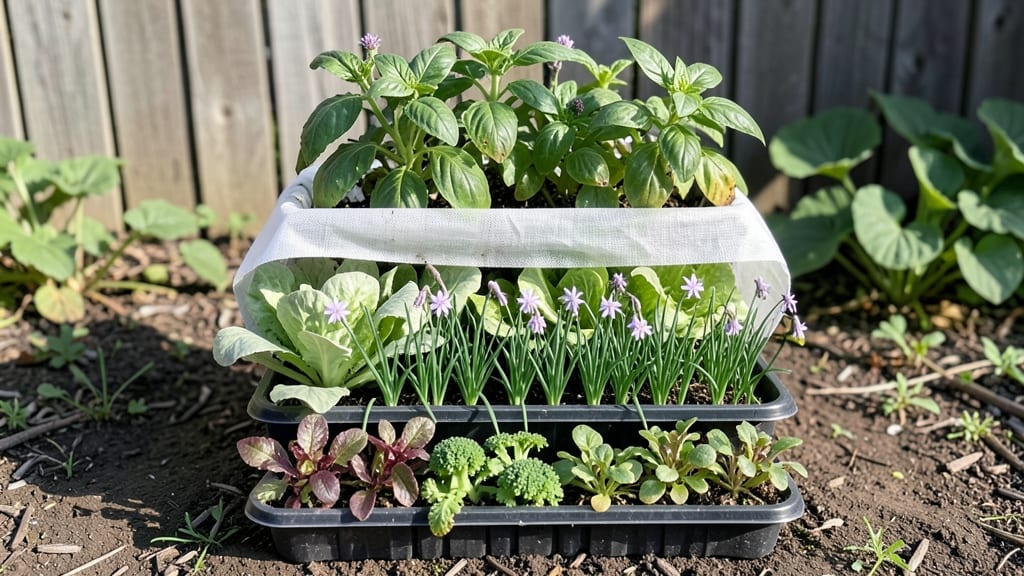
A to-go garden transforms tight spaces into productive growing zones by stacking vertical planters, using raised beds, and leveraging containers for herbs, leafy greens, and compact crops like lettuce, radishes, and cherry tomatoes. Prioritize quick-turnaround plants with shallow roots and map your sunlight exposure for maximum efficiency.
A to-go garden isn't just about saving space—it's about creating a self-contained growing system that mimics a full garden's productivity in a fraction of the footprint. 🌱 The key is smart layering: place taller plants like basil or cherry tomatoes in the back of vertical planters, while shallow-rooted greens like spinach or arugula thrive in the front pockets.
I've found that using modular containers lets you rearrange layouts seasonally, adapting to what you're growing without sacrificing yield.
What sets these gardens apart is their focus on high-density planting. Instead of spreading out, you're stacking vertically—think of it like a living skyscraper for your kitchen.
For example, a 5-gallon bucket can grow enough basil for 20 pesto servings, while a 12-inch-deep raised bed might fit 16 radish plants (harvested in just 30 days). The trade-off? You'll need to monitor moisture more carefully since containers dry out faster than in-ground beds.
💡 In This Article
- Designing Space-Efficient To-Go Garden Layouts
- Best Fast-Growing Plants for Small-Space Harvests
Designing space-efficient to-go garden layouts
Vertical gardening transforms limited square footage into a high-yield growing system by utilizing three-dimensional space. Tiered shelves mounted on walls can hold 10-15 containers in a 4x4-foot area, effectively creating a 300% space increase compared to ground-level planting.
The science behind this is simple: plants like basil and lettuce grow upward naturally, and their shallow roots (6-12 inches deep) make them perfect candidates for stacked systems. 🔥
Wall-mounted planters offer another advantage—they bring light directly to the plants. Most herbs and greens need 4-6 hours of sunlight daily, but south-facing walls capture 20-30% more light than ground-level spots due to reduced shading.
For example, a 12-inch-deep wall planter can grow 16-20 lettuce plants in a space that would only fit 4-6 plants in a traditional garden bed. The key is using lightweight, weather-resistant materials like recycled plastic or cedar to avoid straining walls.
Modular containers let you customize layouts based on sunlight patterns. I recommend starting with 5-gallon fabric grow bags for herbs (they drain well) and 10-inch-deep trays for root crops like radishes.
Place taller plants—like dwarf cherry tomatoes (which grow 3-4 feet tall)—at the back of vertical planters, while shallow-rooted greens go in front. This "layered density" approach maximizes sunlight exposure for all plants. 🌱
Soil depth matters more than you'd think. Leafy greens need just 4-6 inches of soil, while radishes require 8-10 inches to develop properly. For containers, I use a 50/50 mix of potting soil and compost to ensure good drainage while retaining moisture.
The trade-off? Containers dry out 2-3x faster than in-ground beds, so drip irrigation or self-watering systems become essential for consistency.
Here's a pro tip: map your yard's sunlight in 2-hour increments using a free app like Sun Surveyor. Most small yards have "sun hotspots" where plants get 6+ hours of direct light—these are prime locations for your vertical garden.
For example, a 6-foot-tall trellis in a sunny corner can support 20-30 pounds of cucumbers or beans per season, while the same space would only fit 2-3 plants if planted traditionally. ✨
Don't forget about microclimates. North-facing walls stay 10-15°F cooler than south-facing ones, making them ideal for heat-sensitive crops like spinach. Meanwhile, south-facing spots can handle heat-lovers like basil and peppers.
By matching plants to their ideal microclimate, you'll see 30-50% faster growth rates and higher yields in the same space. 💫