
Watering
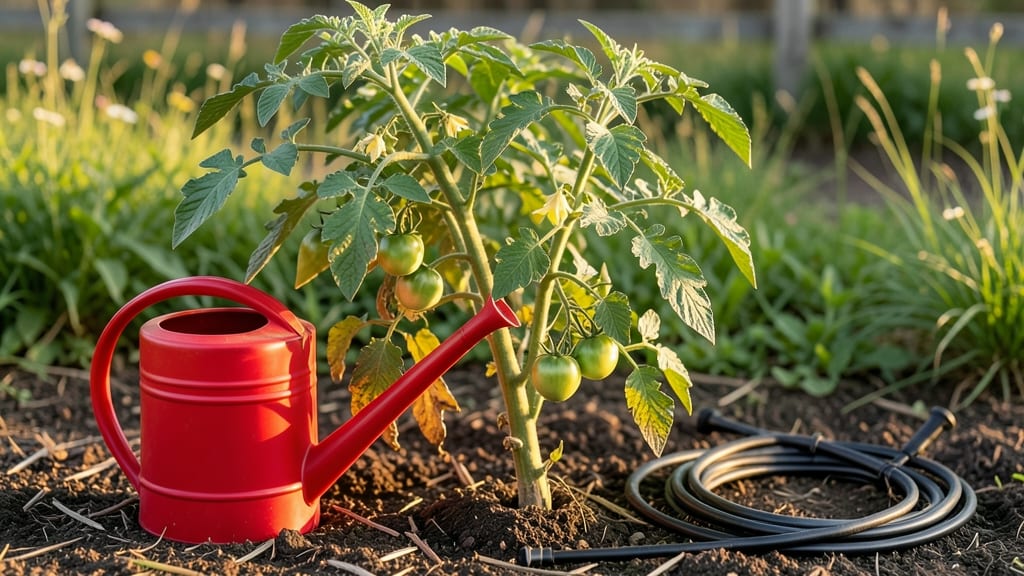
Precision watering transforms a hit-or-miss veg garden into a consistently productive one. 🌱 I learned this the hard way after losing half my tomatoes to uneven moisture—some plants wilted while others drowned in their own soggy soil.
The secret isn’t just how much you water, but when and how you do it.
Most gardeners overcomplicate this, but the core rules are simple: water deeply 1-2 times per week (depending on heat) rather than shallow daily sprinkles. Early morning is best—it gives roots time to soak up moisture before the sun evaporates it.
For sandy soil, you might need daily checks, while clay holds water for days. The goal is 1 inch of water per week, delivered slowly so it reaches roots 6 inches down.
You’ll know you’ve nailed it when leaves stay vibrant green, not yellow or crispy at the edges. Overwatering shows up as mushrooms or wilting despite damp soil, while underwatering means plants bolt or fruit shrivels.
A moisture meter or the old "squeeze test" (grab a handful—it should hold together but not be wet) takes the guesswork out.
Drip irrigation or soaker hoses save time and water, but hand watering at the base (not the leaves) works too. The key is adjusting as seasons change—summer demands more, while spring and fall often need less.
Once you master this, your veggies will reward you with bold flavors and fewer pests. Let’s get those roots happy!
📚 In This Guide
- What you need
- Instructions
- Tips and common mistakes
- Wrapping up and next steps
What you need
- ● Water source: Hose with adjustable nozzle (or a watering can for precision) 💦
- ○ Timer or smart irrigation controller: 1 (optional but game-changing for scheduling)
- ● Soaker hoses or drip irrigation: 50–100 ft (depends on garden size)
- ● Watering wand or spray nozzle: 1 (for gentle, targeted watering)
- ● Rain gauge: 1 (to track natural rainfall and adjust watering)
- ○ Moisture meter (optional): 1 (soil probes to check moisture levels accurately)
- ● Well-draining soil: Test soil pH (6.0–7.0 ideal for most veggies)
- ● Mulch (straw, wood chips, or compost): 2–3 inches to retain moisture
- ● Sunlight access: 6–8 hours daily for most vegetables
- ● Weather awareness: Check local forecasts for heatwaves or droughts
Precision watering schedule for a thriving vegetable garden
Consistent moisture is the secret weapon for a productive veg garden—here's how to nail it.
💧 Step 1: Learn Your Soil's Moisture Threshold
Before you water, test your soil's moisture level by sticking your finger 1 inch deep. If it feels dry, it's time to water. Sandy soils drain fast and need frequent shallow watering, while clay holds moisture longer and benefits from deep, infrequent sessions. I check mine every morning—if the top inch is dry, that's my cue.
Don't rely on a schedule yet—your garden's needs change with weather. After a week of testing, you'll notice patterns: hot days dry soil faster, while cloudy mornings keep it damp longer. Keep a small notebook nearby to track what works for your space.
☀️ Step 2: Water at the Right Times for Maximum Absorption
Early morning between 6-9 AM is ideal because water evaporates slowly and plants have all day to absorb it. Avoid evening watering—wet foliage overnight invites fungal diseases like powdery mildew. If you must water later, do it by 5 PM so leaves have time to dry.
Use a soaker hose or drip irrigation to deliver water directly to the soil. This prevents splashing on leaves and ensures even moisture penetration. I set my timer for 15-20 minutes per zone, then step back to let the water soak in without running off.
🌱 Step 3: Adjust Frequency by Plant Type and Growth Stage
Leafy greens like lettuce and spinach need 1 inch of water per week, while root crops such as carrots and potatoes prefer 1.5 inches weekly. Tomatoes and peppers require 1-2 inches per week, but increase to 2 inches during fruiting. Write these needs on stakes near each plant to avoid confusion.
Young seedlings need frequent moisture—water lightly every 2-3 days until they develop strong roots. Once established, most veggies prefer deep watering every 3-4 days rather than daily shallow drinks. Watch for wilting leaves: if they perk up after watering, you're on track.
🌿 Step 4: Monitor for Overwatering and Underwatering
Overwatering shows as yellowing leaves, mushy stems, or soil that smells sour. If you see these signs, let the soil dry out completely before watering again. Underwatering causes crispy leaf edges and wilting that doesn't recover after watering. The key is balance—soil should be moist but never soggy.
Mulch with 2-3 inches of organic material (like straw or shredded leaves) to lock in moisture and reduce evaporation. This means you'll water less frequently, but each session will be more effective. Check mulch weekly—if it's broken down, add a fresh layer to maintain its insulating properties.
⏰ Step 5: Fine-Tune Based on Weather and Season
During heatwaves, increase watering to every 2 days and extend sessions by 10-15 minutes. After heavy rain, skip scheduled watering entirely—soggy soil can suffocate roots. In cooler months, reduce frequency to every 5-7 days unless your garden is in full sun.
Install a rain gauge to track natural precipitation. If you get 0.5 inches or more in a week, cut back on supplemental watering. Adjust your schedule seasonally: spring and fall need less water than peak summer, but don't let early-season moisture lull you into neglecting established plants.
Tips & tricks for perfect vegetable garden watering
Here's what nobody tells you about keeping your veg garden thriving with the right watering routine.
The Finger Test Technique: In Step 1, when you check that top inch of soil, press gently—it should feel like a damp sponge, not a dry brick or a soggy washcloth. I learned this the hard way after overwatering my lettuce patch twice. The key is consistency: if your finger comes out clean, water; if it's still damp, wait. This method works for all soil types, but sandy soil will dry out faster than clay.
Timing Secret for Maximum Absorption: The 15-20 minute sessions in Step 2 are perfect for most gardens, but your actual watering time depends on your hose flow rate. To test yours, place a bucket under the hose and time how long it takes to collect 1 gallon. If it fills in less than 10 minutes, you can reduce your session to 10-15 minutes per zone. This prevents runoff while ensuring deep penetration.
Seasonal Adjustment Strategy: When you're fine-tuning in Step 5, remember that container plants dry out much faster than in-ground gardens. If you're growing veggies in pots, you may need to water every other day during summer heat, regardless of the 2-day schedule for in-ground plants. I keep a separate log for my container garden to avoid confusion.
Mulch Maintenance: That 2-3 inch layer of mulch in Step 4 isn't a one-time application. Check it weekly—especially after rain—and refresh broken-down mulch. I use straw because it breaks down slowly, but shredded leaves work too. The goal is to maintain that insulating layer so your roots stay consistently moist without the effort of frequent watering.
Pro Tips for Watering Veg Garden
- Here's what nobody tells you about keeping your veg garden thriving with the right watering routine.
- The Finger Test Technique: In Step 1, when you check that top inch of soil, press gently—it should feel like a damp sponge, not a dry brick or a soggy washcloth.
- Timing Secret for Maximum Absorption: The 15-20 minute sessions in Step 2 are perfect for most gardens, but your actual watering time depends on your hose flow rate.
Frequently asked questions
Got questions about keeping your veggie garden lush and hydrated? You’re not alone! Here are answers to the most common queries—so you can water like a pro and grow like a champion.
How often should I water my vegetable garden?
Most veggies need 1 to 1.5 inches of water per week, including rainfall. Water deeply 2-3 times per week (morning is best) to encourage strong roots. Leafy greens like lettuce prefer frequent, shallow watering, while tomatoes and peppers thrive with deeper, less frequent soaks. Pro tip: Stick your finger in the soil—if the top 1-2 inches are dry, it’s time to water!
What’s the best time of day to water my garden?
Water early morning (6-10 AM) to reduce evaporation and fungal diseases. Avoid evening watering, as damp foliage overnight can invite pests and mildew. If you must water later, aim for late afternoon—just give plants time to dry before sunset.
Can I use rainwater or collected water for my veggie garden?
Rainwater is chemical-free and ideal for veggies, as it lacks the chlorine and minerals found in tap water. Collect it in barrels (with a fine mesh to block debris) or use a simple rain chain. Just avoid water from roofs treated with asphalt or metal, which can introduce contaminants.
Why are my vegetable leaves turning yellow or wilting?
Yellow leaves often signal overwatering (roots suffocate) or underwatering (stress). Wilting can mean thirst, but also root rot (too much water) or heat stress (lack of shade). Check soil moisture, adjust your watering schedule, and ensure proper drainage. Troubleshoot: If soil feels soggy, hold off until it dries slightly.
What’s a good alternative if I can’t water every day?
Try drip irrigation or soaker hoses for slow, consistent moisture. Mulch (straw, wood chips) retains soil moisture and reduces evaporation. Group plants with similar water needs together, and consider self-watering containers for high-maintenance veggies like basil or peppers.
Still stumped? Drop your specific plant or issue in the comments—we’re happy to help!
Wrapping up and next steps
Mastering the art of watering your veg garden is all about balance—giving your plants just the right amount of moisture at the perfect times.
Whether you’re adjusting for soil type, weather, or plant needs, consistency and observation are your best tools. 🌱 With these strategies, you’ll watch your garden flourish and enjoy a bountiful harvest!
Ready to take the next step? Start by tracking your garden’s progress—note what works and what doesn’t, and refine your routine. Happy gardening!