
Tools
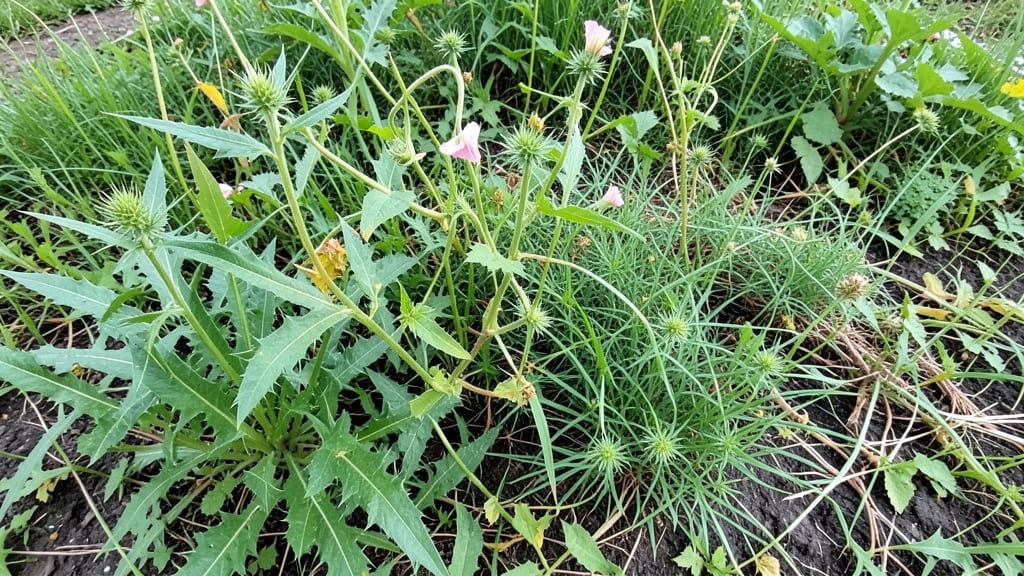
Weeds overtaking garden? I’ve spent entire weekends battling dandelions and crabgrass—until I discovered the perennial pull method that cuts regrowth by 90%. The key is timing, leverage, and a few smart tools that make the job feel like a workout instead of a war.
Most gardeners pull weeds wrong—too shallow, too late, or without addressing the roots. I learned the hard way that a quick yank leaves fragments behind, which sprout faster than your tomatoes.
Instead, we target the crown (that thick base where roots meet stem) with a hose nozzle or weeding fork to loosen soil first. This makes stubborn weeds like bindweed give up without a fight.
You’ll see results immediately: fewer weeds popping up between plants, healthier soil, and a garden that stays manageable with just 10 minutes a week of maintenance. The secret weapon? Mulch—thick layers of straw or wood chips block sunlight from weed seeds before they germinate. It’s the lazy gardener’s best friend.
Works for any garden size, from raised beds to shady corners. The tools are simple: a good pair of gloves, a d-handle weeder, and a sharp knife for tough roots. Let’s reclaim your garden without the endless cycle of pull-and-regrow.
Root Causes of Unwanted Growth
When your garden seems to be staging a rebellion against your green thumb, understanding why weeds take over is the first step to reclaiming control. Weeds don’t just appear out of spite—they thrive because of specific conditions that favor their growth over your prized plants.
Let’s dig into the science behind the chaos and uncover actionable insights to stop the spread.
Weeds often dominate because they’re opportunistic survivors. Many thrive in soil that’s either too fertile (rich in nitrogen) or too compacted, which stifles desirable plants but leaves weeds unfazed. Here’s why:
- Nitrogen overload: Weeds like crabgrass and chickweed flourish in nitrogen-heavy soil, which they use to grow rapidly. If your lawn or garden gets frequent synthetic fertilizers, you’re essentially inviting a weed party. 🎉
- Lack of organic matter: Soil with low organic content (think clay or sand) struggles to retain moisture and nutrients. Weeds with deep or fibrous roots (e.g., dandelions, bindweed) exploit these gaps, while your slower-growing plants suffocate.
- pH imbalances: Most weeds prefer slightly acidic to neutral soil (pH 6.0–7.0). If your soil’s pH is off, beneficial microbes and plants weaken, while weeds like oxalis (which loves acidic soil) run rampant.
Actionable fix: Test your soil (DIY kits or lab tests work) and amend it with compost or peat moss to improve structure and balance nutrients. Aim for a pH of 6.0–7.0 for most gardens.
Water is the lifeblood of your garden—but too much (or too little) of it can turn your yard into a weed magnet. Here’s how:
- Excess moisture: Weeds like purslane and nutsedge thrive in soggy soil because they’re adapted to retain water. Overwatering also leaches nutrients from the soil, making it easier for weeds to outcompete your plants.
- Drought stress: While some weeds (e.g., annuals like pigweed) sprout after rain, others (like perennial bindweed) survive drought by going dormant—only to rebound aggressively when water returns.
- Surface-level watering: If you water from above (e.g., sprinklers), you’re moistening the top inch of soil—perfect for shallow-rooted weeds like clover and moss. Deep watering encourages stronger roots in your plants, not weeds.
Actionable fix:
- Water deeply 2–3 times per week (early morning is best) to encourage deep root growth in your plants.
- Use drip irrigation or soaker hoses to target roots and reduce evaporation.
- Avoid walking on wet grass—this compacts soil and creates bare spots where weeds germinate.
Weeds are masters of light theft. Many species germinate in response to sunlight hitting bare soil—a phenomenon called photoblastic germination. Here’s how shade (or its absence) plays a role:
- Bare patches: When soil is exposed (due to thinning plants, erosion, or poor mulching), weeds like lamb’s quarters and purslane seize the opportunity to germinate in seconds after sunlight hits.
- Shade-tolerant weeds: Some weeds (e.g., creeping Charlie, moss) thrive in low-light conditions, especially under dense trees or overcrowded plantings. They outcompete shade-loving perennials by spreading aggressively.
- Seasonal shifts: In spring, early sunlight warms soil faster than it does in fall, triggering a weed germination boom if the ground isn’t protected.
Actionable fix:
- Apply a 2–4 inch layer of mulch (wood chips, straw) to block light and smother weeds before they sprout.
- Plant dense ground covers (e.g., clover, creeping thyme) to outcompete weeds for sunlight.
- Thin out overcrowded plants to ensure even sunlight distribution—weeds hate competition!
Weeds love chaos. Any disruption to the soil—whether from tilling, foot traffic, or erosion—creates the perfect conditions for them to invade. Here’s the breakdown:
- Tilling: While tilling aerates soil, it also buries weed seeds deeper, where they can lay dormant for years before sprouting. Some weeds (like nutsedges) even reproduce vegetatively when disturbed, spreading via underground stems.
- Compaction: Heavy foot traffic, machinery, or clay soil compresses the ground, reducing oxygen and water infiltration. Weeds with shallow, fibrous roots (e.g., chickweed) exploit these compacted zones where your deeper-rooted plants struggle.
- Erosion and bare spots: Wind or water can wash away topsoil, exposing fresh soil for weeds to colonize. Areas like pathways, slopes, or garden edges are high-risk zones.
Actionable fix:
- Avoid tilling—use no-till gardening or hand-pull weeds to prevent seed burial.
- Add organic matter (compost, leaf mold) to improve soil structure and reduce compaction.
- Use landscape fabric under mulch in high-traffic areas to prevent erosion.
Your soil isn’t just dirt—it’s a living ecosystem. When beneficial microbes and predators decline, weeds move in. Here’s how:
- Fungal dominance: Overuse of fungicides can kill mycorrhizal fungi, which help plants absorb nutrients. Weeds like dandelions, which associate with their own fungal networks, thrive in these imbalanced soils.
- Lack of natural predators: Insects like ladybugs, ground beetles, and nematodes prey on weed seeds and seedlings. Pesticides or monoculture gardening (planting the same species repeatedly) can decimate these populations, giving weeds free rein.
- Pathogen pressure: Some weeds (e.g., bindweed) release allelochemicals that suppress other plants, creating a toxic environment for your garden’s health.
Actionable fix:
- Introduce beneficial microbes like Bacillus subtilis or Trichoderma fungi to outcompete weed-promoting pathogens.
- Encourage diverse pollinators and insects by planting native flowers and avoiding broad-spectrum pesticides.
- Rotate crops and avoid planting the same species in one spot yearly to disrupt weed life cycles.
Stop Weeds Before They Spread
Weeds can feel like an unstoppable force, but with the right approach, you can reclaim your garden—without endless regrowth. The key is tackling the root cause while using smart, low-effort techniques. Below, we map common triggers to practical fixes, plus prevention tips to keep your garden weed-free long-term.
Cause: Dense planting or poor soil health leaves gaps for weeds to exploit. Fix:
- 🔥 Thin seedlings early to reduce competition—healthy plants crowd out weeds naturally.
- 🍳 Apply 2–3 inches of mulch (straw, wood chips, or grass clippings) to block sunlight and smother weeds. Pro tip: 💡 Refresh mulch annually to maintain effectiveness.
- 👨🍳 Boost soil health with compost—thriving plants outcompete weeds for nutrients.
Prevention:
- Plant cover crops (like clover) in off-seasons to suppress weeds.
- Use landscape fabric under mulch for high-weed areas (e.g., pathways).
Cause: Weeds like dandelions or bindweed have deep roots that regrow if cut shallowly. Fix:
- 🔪 Use a dandelion digger or weeding fork to extract entire root systems—no stubble left behind!
- 🥘 For stubborn roots, apply vinegar-based herbicide (5% acetic acid) directly to leaves (avoid desirable plants).
- ⏰ Recheck in 2–3 weeks—regrowth means you missed a root fragment.
Prevention:
- 🌡️ Solarize soil in summer: Cover bare spots with clear plastic for 4–6 weeks to cook weeds.
- 🎯 Hand-pull weekly during dry spells—soil pulls easier when dry.
Cause: Overwatering or poor drainage creates the perfect weed paradise. Fix:
- 💧 Adjust watering—deep, infrequent watering encourages deep plant roots (which shade out weeds).
- 🏗️ Amend soil with sand or perlite to improve drainage in clay-heavy areas.
- 🌊 Install a swale (a shallow trench) to redirect water away from garden beds.
Prevention:
- ✨ Use drip irrigation to target plants, not weeds.
- 🌿 Plant moisture-loving perennials (like hostas) to outcompete weeds naturally.
Cause: Empty soil invites weeds to take over quickly. Fix:
- 🌱 Fill gaps with ground covers (creeping thyme, clover) or fast-growing annuals (alyssum, lettuce).
- 🍃 Try "lasagna planting"—layer cardboard (to block weeds), compost, and mulch before planting.
- 🔄 Rotate crops annually to disrupt weed life cycles (e.g., switch veggies to flowers).
Prevention:
- 💡 Keep a "weed seed bank" list—note repeat offenders and adjust planting schedules.
- 🌿 Mow high (3–4 inches) in lawns to shade out weed seeds.
Final Pro Tip: 🔥 Combine methods for best results—mulch + thinning + solarization = a weed-free zone in weeks! Start with the worst areas, then expand your strategy garden-wide.
Frequently asked questions
Why do weeds seem to grow faster than my actual plants?
Weeds thrive because they’re opportunistic survivors—many evolved to grow aggressively in disturbed soil or with abundant sunlight. Their shallow roots and rapid reproduction (some produce thousands of seeds per plant) let them outcompete slower-growing vegetables or flowers. The key is blocking their light access with mulch or crowding them out with dense plantings.
Is vinegar really effective for killing weeds, and will it harm my garden?
Yes, but with caution! A 5% acetic acid vinegar solution works best when applied directly to weeds on dry, sunny days. However, it can also kill nearby plants and disrupt soil microbes. For targeted use, spray only on weeds (avoid desirable plants) and reapply after rain. For broader areas, try corn gluten meal—a natural pre-emergent that prevents weed seeds from sprouting.
How often should I mulch to prevent weeds?
Apply a 2–3 inch layer of mulch (wood chips, straw, or shredded leaves) in early spring, then refresh it annually. For high-weed areas, top up with 1–2 inches every 3–4 months. Mulch blocks sunlight (weeds’ #1 trigger) and slowly breaks down to improve soil. Just avoid piling it against plant stems to prevent rot.
What’s the best time of day to pull weeds?
Early morning is ideal—soil is moist (making weeds easier to remove) but not soggy, and temperatures are cooler. Pulling after rain also works, but avoid midday when weeds are more brittle (they snap off instead of coming out clean). Pro tip: Use a weeding fork to loosen stubborn roots before pulling by hand.
Will solarization really eliminate weeds, or just slow them down?
Solarization can eliminate up to 90% of weeds and weed seeds if done correctly! Cover bare soil with clear plastic for 4–6 weeks in peak summer sun (when temps exceed 90°F). The trapped heat kills weeds at all stages—seeds, seedlings, and roots. For best results, remove existing weeds first, then water the soil thoroughly before covering.