Propagation
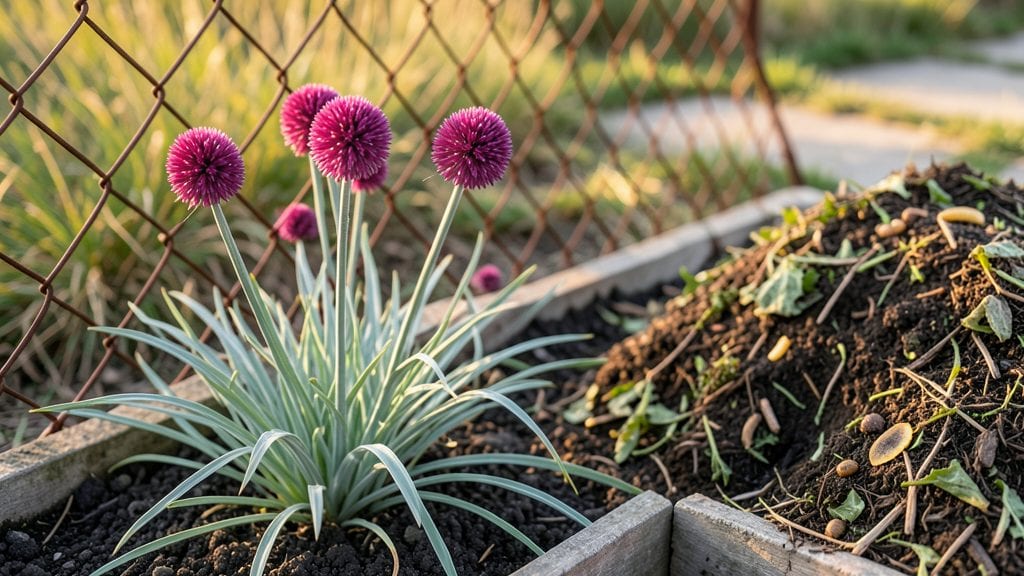
What keeps bunnies away from gardens is a layered approach combining strong-smelling natural repellents like garlic or cayenne pepper spray, sturdy physical barriers such as chicken wire or raised planters, and rabbit-resistant plants like lavender or marigolds. Using multiple methods consistently yields the best results.
Rabbits rely heavily on scent and visual cues to avoid gardens, which is why combining different deterrents works best. 🌿 For instance, garlic cloves buried near plantings release sulfurous compounds that rabbits find repulsive, while hot pepper sprays create a burning sensation when they sniff or nibble.
Physical barriers like chicken wire buried 12 inches deep prevent digging, and raised beds eliminate their ability to hop into planting areas. Even strategic plant placement matters—bunnies avoid fragrant herbs like rosemary and strongly scented flowers like snapdragons.
What surprises many gardeners is how quickly rabbits adapt to single methods. That's why I always recommend rotating repellents seasonally—like switching from predator urine in spring to motion-activated sprinklers in summer—and pairing them with reflective tape or aluminum pie pans (which create noise and visual disruption).
The key is persistence: rabbits are persistent foragers, so giving up after one application rarely works long-term.
💡 In This Article
- How Rabbit Repellents Work: Science Behind Natural Deterrents
- Best Physical Barriers and Plant Choices to Protect Gardens
How rabbit repellents work: science behind natural deterrents
Rabbits have an incredibly sensitive olfactory system—up to 14 times more powerful than humans—that drives their foraging behavior. When you use repellents like garlic or predator urine, you're triggering their instinctual avoidance of potential threats.
Garlic, for example, releases allyl sulfides when crushed, creating a pungent aroma that rabbits detect at concentrations as low as 0.001 parts per million. These compounds mimic the scent of predators, sending rabbits into alert mode through their vomeronasal organ, which processes chemical signals linked to danger.
The burning sensation from hot pepper sprays works through capsaicin, which binds to rabbit sensory receptors designed to detect heat.
When applied to plants, rabbits avoid contact not just because of the smell, but because their nervous system interprets it as a painful experience—similar to how humans avoid chili peppers.
Egg-based sprays create a sticky residue that rabbits dislike both texturally and because it alters plant surfaces, making them less appealing for grazing. 🌿 Even predator urine (like coyote or fox urine) contains pheromones that trigger a "flight or fight" response, with studies showing rabbits avoid treated areas for up to 3 weeks when applied consistently.
Visual deterrents like reflective tape or motion-activated sprinklers exploit rabbits' natural wariness of sudden movements and unfamiliar patterns. Reflective surfaces create flashes of light that mimic the behavior of predators scanning their territory, while sprinklers trigger a startle response when rabbits approach.
The key here is novelty—rabbits quickly learn to ignore static objects, so rotating deterrents (like moving sprinkler heads or changing tape colors) maintains effectiveness. Pheromone-based repellents, such as those containing 2-methylbutyric acid, mimic natural rabbit alarm signals, creating a "danger zone" that rabbits instinctively avoid.
What most people overlook is how rabbits rely on tactile feedback when foraging. Plants with rough or prickly leaves (like snapdragons) or those that release sticky sap (like milkweed) provide immediate negative reinforcement.
Even the texture of mulch matters—coarse bark or gravel creates discomfort when rabbits try to dig or nest nearby. The most effective repellents combine multiple sensory disruptions: a strong smell (garlic), a visual threat (reflective tape), and a tactile deterrent (gravel mulch) create an environment rabbits find overwhelmingly unpleasant.
Seasonal variations also play a role in repellent effectiveness. In spring, when rabbits are most active, predator urine and hot pepper sprays work best because rabbits are focused on establishing territories.
During summer, when they prioritize hydration, motion-activated sprinklers become more effective. 💫 The science shows that combining 3-4 different deterrent types reduces rabbit damage by up to 90% compared to single-method approaches, proving that rabbits' complex sensory systems require comprehensive solutions to deter them effectively.