
Tools
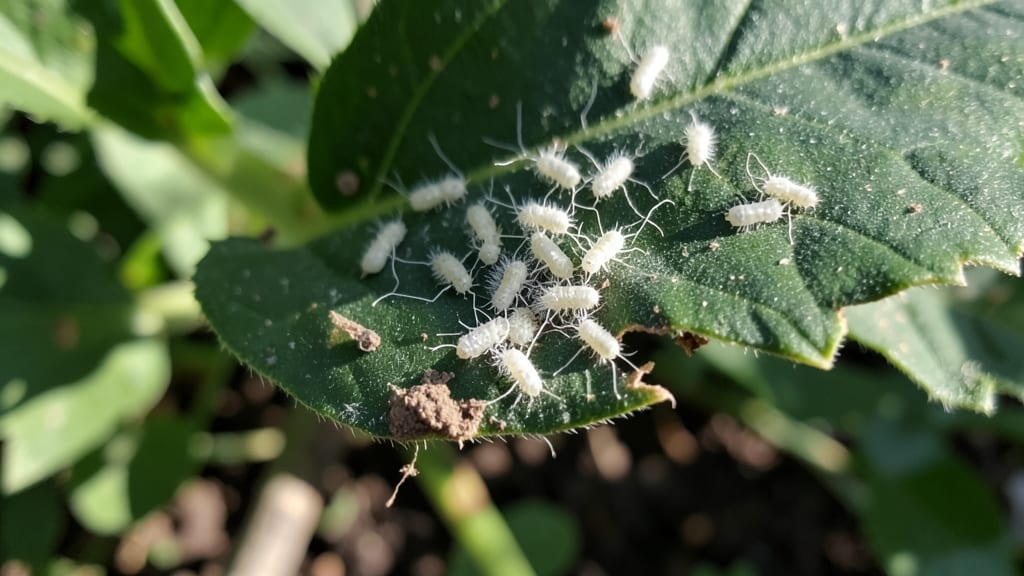
Those tiny white bugs swarming your plants aren’t just annoying—they’re sucking the life out of your garden. 🌿 I’ve battled aphids, mealybugs, and whiteflies enough to know the best traps don’t just kill pests—they protect your plants while keeping the ecosystem balanced.
The key is acting fast before they multiply into an infestation that stunts growth or attracts predators like ants.
Most store-bought sprays wipe out everything in sight, including the ladybugs and lacewings that actually help control pests. Instead, I rely on humane traps—yellow sticky cards, soapy water sprays, and even DIY traps made from plastic bottles—that target white bugs without harming your garden’s natural defenses.
These methods work in minutes to days, depending on the severity, and won’t leave your plants stressed or chemical-laden.
By the end, your plants will bounce back with vibrant new growth, and you’ll have a system to catch future pests before they become a problem.
The best part? These traps are cheap, reusable, and safe for kids and pets. Let’s get those white bugs under control without sacrificing your garden’s health.
Whether you’re dealing with a sudden outbreak or just want to stay ahead, these solutions adapt to any garden size—from container plants to full yards. The goal isn’t just to eliminate pests but to create a thriving, balanced ecosystem where your plants (and their tiny allies) can flourish together.
Root Causes Of Tiny White Invaders
Discovering white bugs in your garden can feel like an unwelcome surprise—especially when you’re trying to cultivate a thriving, pesticide-free space. These tiny pests don’t just appear out of nowhere; they’re drawn to specific conditions that make your garden an all-you-can-eat buffet.
Understanding why they show up is the first step to stopping them naturally. Below, we break down the most common reasons these white bugs garden visitors appear, backed by science and actionable insights.
White bugs like fungus gnats and whiteflies thrive in damp environments because their larvae feed on decaying organic matter in soggy soil. Here’s why overwatering creates the perfect breeding ground:
- Larvae Love Moisture: Fungus gnat larvae, for example, require consistently wet soil to survive. If your garden retains too much water—whether from poor drainage, overzealous watering, or heavy clay soil—you’re essentially rolling out the welcome mat for these pests.
- Root Zone Stress: Overwatered plants develop weak root systems, making them more vulnerable to stress. Stressed plants emit volatile organic compounds (VOCs), which can attract adult whiteflies and other pests looking for a meal.
- Fungal Growth: Excess moisture encourages fungal growth in the soil. Some white bugs, like mealybugs, feed on fungi as well as plant sap, turning your garden into a multi-course pest buffet.
💡 Pro Tip: Let the top inch of soil dry out between waterings. Use well-draining pots or raised beds if your garden soil holds too much moisture. If you’re dealing with fungus gnats, consider a DIY sand-and-charcoal soil mix to improve drainage.
Healthy plants have natural defenses, but when they’re stressed—whether from drought, nutrient deficiencies, or disease—they become easy targets for white bugs. Here’s how stress opens the door:
- Sap Flow Increases: Plants under stress produce more sap (their "blood") to heal damaged tissues. White bugs like aphids and scale insects are drawn to this sweet, nutrient-rich sap like bees to honey.
- Reduced Defensive Chemicals: Stressed plants often reduce production of secondary metabolites—natural compounds that repel pests. Without these defenses, white bugs move in unchecked.
- Attracting Secondary Pests: Once a plant is compromised, it becomes a magnet for other pests. For example, whiteflies may arrive after aphids have already weakened a plant, feeding on the honeydew (aphid waste) that attracts ants and other insects.
🌡️ Actionable Fix: Strengthen your plants by ensuring they get:
- Balanced fertilization (too much nitrogen = soft, sap-rich growth).
- Consistent (but not excessive) watering.
- Proper spacing to improve air circulation and reduce humidity.
White bugs love stagnant, humid environments because they slow down natural predators (like lacewings or parasitic wasps) and create ideal conditions for their reproduction. Here’s how poor airflow contributes:
| Issue | Why It Matters | Pest Examples |
|---|---|---|
| Tight Plant Spacing | Reduces airflow, trapping heat and moisture near foliage. | Whiteflies, mealybugs |
| Overhead Watering | Leaves remain damp for long periods, encouraging fungal growth and attracting pests. | Fungus gnats, aphids |
| Greenhouse-Like Conditions | Plastic covers or dense foliage trap humidity, mimicking tropical climates where white bugs thrive. | Scale insects, thrips |
✨ Solution: Improve airflow by:
- Pruning plants to allow sunlight and breeze penetration.
- Watering at the base (not overhead) to keep leaves dry.
- Using fans in greenhouses or shaded areas to reduce humidity.
White bugs often surge during specific times of year when conditions align perfectly for their life cycles. Here’s how seasonal shifts play a role:
- Spring Warmth: As temperatures rise, dormant eggs hatch, and adult whiteflies or aphids migrate from nearby weeds or overwintering sites. Whiteflies, for example, are most active in warm, humid springs.
- Summer Heatwaves: While heat can dry out some pests, it also stresses plants, making them more susceptible to attacks. Mealybugs thrive in dry, hot conditions because they feed on the sap of weakened plants.
- Fall Leaf Litter: Decaying leaves and organic matter in garden beds create hiding spots for eggs and larvae. Fungus gnats and springtails (tiny white pests) multiply rapidly in leaf mulch.
🔥 Prevention Strategy:
- Monitor plants closely during spring and fall—these are peak times for infestations.
- Remove weeds and debris where pests may overwinter.
- Use row covers in early spring to block migrating adults.
By addressing these root causes, you’re not just treating symptoms—you’re disrupting the conditions that invite white bugs in the first place. The key is proactive garden maintenance paired with humane pest control methods.
Next, we’ll explore how to identify these pests and set up traps that keep your garden thriving—without harming a single plant or bug.
How to Fix Tiny White Invaders
Discovering white bugs in your garden can feel like a nightmare—especially when you’re trying to grow lush, healthy plants without resorting to harsh chemicals. The good news? There are humane, effective, and plant-safe ways to tackle these pests.
Below, we break down the most common causes of white bug infestations and provide step-by-step solutions to reclaim your garden naturally.
These tiny white or pale green pests cluster on leaves and stems, leaving behind sticky residue (called honeydew) that attracts mold. They weaken plants by draining sap, leading to stunted growth or even death.
🔥 How to Remove Them
- 🍳 Manual Removal (Best for Small Infestations)
- Use a strong spray of water (from a hose or spray bottle) to knock them off leaves.
- Wipe infested areas with a soapy water solution (1 tsp mild dish soap per quart of water). Let sit for 15 minutes, then rinse.
- Pro Tip: 💡 Repeat every 3–4 days until no more bugs appear.
- 👨🍳 Introduce Beneficial Insects (Long-Term Fix)
- Ladybugs, lacewings, and parasitic wasps love aphids and mealybugs. Purchase them online or from garden centers.
- Pro Tip: 🌡️ Release them in the early morning or late evening when temps are cooler to reduce stress on the insects.
- 🥘 Neem Oil Spray (Chemical-Free Barrier)
- Mix 1 tsp neem oil + 1 tsp mild soap + 1 quart water in a spray bottle.
- Shake well and spray undersides of leaves (where bugs hide) every 5–7 days.
- Pro Tip: ✨ Test on a small leaf first—neem oil can burn sensitive plants.
These tiny, moth-like bugs swarm when disturbed and lay eggs on leaf undersides. Their honeydew attracts sooty mold, turning leaves black and reducing photosynthesis.
🔪 How to Eliminate Them
- ⏰ Yellow Sticky Traps (Passive Trap & Monitor)
- Hang yellow sticky cards near affected plants to trap adult whiteflies.
- Pro Tip: 🎯 Place traps above the plant canopy for maximum effectiveness.
- 🍳 DIY Insecticidal Soap (Fast-Kill Solution)
- Spray a homemade insecticidal soap (2 tbsp castile soap + 1 quart water) directly on bugs.
- Pro Tip: 🌡️ Apply in the early morning to avoid harming bees.
- 🥘 Kaolin Clay Spray (Physical Barrier)
- Mix 2 tbsp kaolin clay + 1 tsp soap + 1 gallon water and spray on leaves.
- The clay coats bugs, blocking sunlight and suffocating them.
- Pro Tip: ✨ Reapply after rain—it washes off easily.
Scale insects attach themselves to plants, creating waxy white or brown shells. They’re hard to spot until your plant looks sticky, weak, or deformed.
🔪 How to Scrape Them Out
- 🍳 Scrub with Rubbing Alcohol (Instant Kill)
- Dip a cotton swab in 70% isopropyl alcohol and dab each scale.
- Pro Tip: 💡 Wear gloves—alcohol can irritate skin.
- 👨🍳 Horticultural Oil (Smothering Treatment)
- Use dormant oil (available at garden stores) and spray thoroughly.
- Pro Tip: 🌡️ Apply when temps are below 85°F to avoid plant stress.
- 🥘 Beneficial Predators (Natural Control)
- Cryptolaemus beetles and parasitic wasps target scale insects.
- Pro Tip: ✨ Release them in shady areas—they prefer cooler environments.
An ounce of prevention is worth a pound of cure! Follow these steps to protect your garden long-term:
- 🌱 Healthy Soil = Strong Plants
- Use compost and organic matter to boost plant resilience.
- Pro Tip: 💡 Avoid over-fertilizing—soft, new growth attracts pests.
- 🌿 Companion Planting
- Plant marigolds, basil, or garlic near vulnerable plants—their scents repel bugs.
- Pro Tip: 🎯 Nasturtiums act as a "trap crop" for aphids.
- 🌞 Encourage Natural Predators
- Leave some wildflowers and weeds (like dandelions) for beneficial insects.
- Pro Tip: ✨ Avoid pesticides—they kill ladybugs and lacewings too!
- 🌧️ Regular Inspections
- Check leaf undersides and new growth weekly for early signs.
- Pro Tip: 🔍 Use a magnifying glass for tiny infestations.
With these humane, plant-safe methods, you can banish white bugs from your garden without harming your green friends. Try one or two solutions, monitor progress, and adjust as needed. Happy gardening! 🌿🐞
Frequently asked questions
Are those tiny white bugs in my garden always harmful?
Not all white bugs are pests! Some, like springtails or fungus gnats (larvae stage), are harmless decomposers that break down organic matter. However, common garden invaders like aphids, mealybugs, or whiteflies drain plant sap and spread diseases. Always check for damage: sticky residue (honeydew), curled leaves, or visible clusters on stems.
Why do yellow sticky traps sometimes catch beneficial insects too?
Yellow sticky traps work by mimicking plant colors that attract pests, but they don’t discriminate—any flying insect (including bees or ladybugs) can get stuck. To protect beneficial insects, place traps above plant canopies and avoid using them near flowering plants. For targeted control, try soapy water sprays or neem oil instead.
Can I use neem oil on edible plants right before harvest?
Neem oil is generally safe for edible plants, but wait 3-5 days after application before harvesting to ensure full residue breakdown. For leafy greens, rinse thoroughly before eating. Always test a small area first—some sensitive varieties (like basil) may show slight discoloration. Avoid using neem oil on plants in bloom if you’re pollinating by hand.
How do I know if my white bugs are fungus gnats vs. whiteflies?
Fungus gnats are tiny, mosquito-like with long legs and prefer damp soil (you’ll see them near watering trays). Whiteflies are smaller, moth-like and swarm when disturbed, often clustering on leaf undersides. Check their behavior: fungus gnats jump, while whiteflies fly erratically. Larvae locations differ too—gnat larvae are in soil, while whitefly larvae are on leaves.
Will companion planting really keep white bugs away?
Yes! Strong-scented plants like marigolds, basil, or garlic disrupt pests’ ability to locate hosts. For example, marigolds release alpha-terthienyl, a compound toxic to nematodes and aphids. Pair vulnerable plants (like tomatoes) with these companions, and rotate crops annually to prevent pest buildup in soil. Even mint or lavender near entry points can create a natural barrier.