
Tools
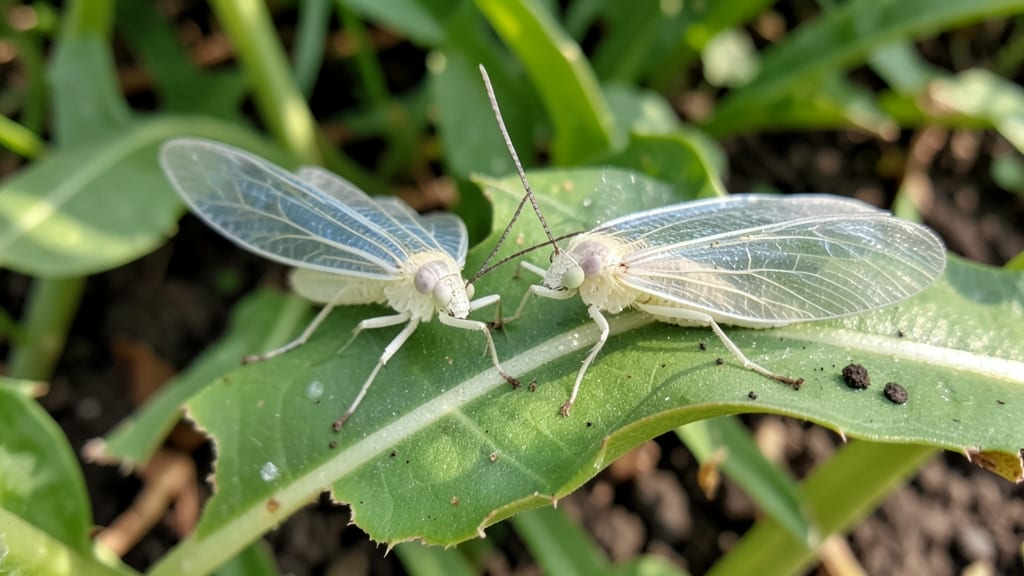
White garden insects like aphids, mealybugs, and whiteflies can turn your thriving plants into sticky, wilted messes faster than you’d think. 🌿 I’ve battled these pests for years, and the key to stopping them isn’t harsh chemicals—it’s smart, non-toxic traps that work in 24 hours or less.
The secret lies in understanding their behavior and cutting them off at the source before they multiply.
Most people reach for sprays first, but that’s like throwing a fire extinguisher at a candle flame. Instead, focus on yellow sticky traps, neem oil sprays, or even a strong blast of water to knock them off leaves.
These pests thrive in crowded, dry conditions, so improving airflow and keeping plants healthy is half the battle. Trust me, once you see how quickly they respond to the right approach, you’ll never grab the chemical spray again.
Within a day, you’ll notice fewer insects clinging to your plants, and within a week, the worst of the infestation will be gone—no more sticky residue or wilting leaves. The best part?
These methods protect your soil, your pollinators, and your peace of mind. You’ll end up with plants that look vibrant and strong, not stressed and covered in pests.
Works for vegetables, flowers, and houseplants alike, so you can use these same tricks whether you’re dealing with a backyard garden or a sunny windowsill. Let’s get those white insects under control—naturally.
Root Causes Of Tiny White Invaders
White garden insects—whether they’re aphids, mealybugs, scale, or fungus gnats—don’t just appear out of nowhere. Their arrival is usually a sign of underlying conditions in your garden or home environment.
Understanding these triggers is the first step to stopping them before they take over. Let’s break down the science behind why these pests show up when they do.
Many white insects thrive in damp, humid conditions because moisture weakens plants and provides the perfect breeding ground. For example:
- Fungus gnats (tiny white moth-like insects) lay eggs in moist soil, and their larvae feed on plant roots in soggy conditions.
- Mealybugs and scale insects excrete a sticky substance called honeydew, which attracts mold and other pests—especially in high-humidity environments.
- Whiteflies love the undersides of leaves when plants are overwatered, as excess moisture stresses foliage, making it easier for them to feed.
Actionable fix: Let the top 1–2 inches of soil dry out between waterings. Use pots with drainage holes and avoid overhead watering, which can leave leaves damp for too long.
Stressed or nutrient-deficient plants are like an all-you-can-eat buffet for white insects. When plants are underwatered, over-fertilized, or nutrient-deficient, their defenses drop, making them prime targets.
- Aphids and whiteflies prefer young, tender shoots—common in over-fertilized plants (especially with high nitrogen).
- Root-knot nematodes (microscopic but destructive) thrive in poor-draining soil, weakening roots and inviting secondary pests like fungus gnats.
- Plants lacking potassium or phosphorus are more susceptible to infestations because their natural pest-repelling compounds (like alkaloids) are reduced.
Actionable fix:
- Test your soil’s pH and nutrient levels (ideal range for most plants: 6.0–7.0).
- Use a balanced fertilizer (e.g., 10-10-10) and avoid overfeeding.
- Rotate crops annually to prevent soil-borne pests from building up.
White insects reproduce exponentially in warm, protected areas. Greenhouses, indoor plants, and dense foliage create the perfect incubators:
- Mealybugs and scale multiply rapidly in temperatures above 75°F (24°C), especially in low-light conditions.
- Whiteflies thrive in greenhouses where humidity and heat combine, often leading to explosive populations within weeks.
- Indoor plants near HVAC vents or kitchen humidity (from cooking) can become hotspots for fungus gnats.
Actionable fix:
- Increase airflow with fans or open vents in greenhouses.
- Use reflective mulch (like aluminum foil) to reduce heat buildup in soil.
- Quarantine new plants for 2–3 weeks before introducing them to your garden.
Even well-meaning gardeners accidentally introduce white insects through:
- Contaminated tools: Pruners, trowels, or pots can carry aphid eggs or mealybug crawlers from one plant to another.
- Infested plant purchases: Many nursery plants are pre-infected with scale or whiteflies, especially tropical or greenhouse-grown species.
- Compost or mulch: Old compost piles can harbor fungus gnat larvae or springtails (tiny white pests that jump).
Actionable fix:
- Disinfect tools with 70% rubbing alcohol or a 10% bleach solution between uses.
- Inspect new plants under leaves and in soil before bringing them home.
- Avoid using fresh manure as mulch—opt for aged compost instead.
By addressing these root causes, you’re not just treating the symptoms—you’re cutting off the food, water, and shelter that keep white garden pests thriving. The next step? Non-toxic traps that work in 24 hours to start reclaiming your garden.
Quick Fixes for Common Garden Pests
White garden insects—whether they’re aphids, mealybugs, or fungus gnats—can turn your lush green space into a battleground in no time. But the good news? Most problems have simple, non-toxic solutions that work fast.
Below, we’ve mapped out the best fixes for each common cause, plus easy prevention tips to keep your garden thriving. No harsh chemicals required!
These sap-sucking pests leave behind sticky residue (called honeydew) and weaken plants by draining their nutrients. Here’s how to kick them to the curb:
🔥 Immediate Removal (Manual Attack)
- 👨🍳 Spray with soapy water: Mix 1 tsp mild dish soap (like Castile) with 1 quart of water. Spray directly on infested areas—aphids will detach within minutes.
- 🍳 Blotch test: For stubborn clusters, use a cotton swab dipped in rubbing alcohol (70% isopropyl) to dab individual bugs. Works in seconds but may harm tender plants—test first!
🕷️ Natural Predators (Let Nature Help)
- 🐞 Ladybugs & lacewings: Release or attract these beneficial insects by planting dill, fennel, or marigolds nearby. They feast on aphids like all-you-can-eat buffets!
- 🐸 Birds & spiders: Leave some "wild" areas in your garden to encourage these aphid hunters. Even a small bird feeder can make a difference.
🌿 Prevention Tips
- 💡 Prune regularly: Remove yellowing or overcrowded leaves where aphids hide.
- 🌡️ Neem oil spray: Apply every 7–10 days as a deterrent (1 tbsp neem oil + 1 tsp soap per quart of water).
- ✨ Reflector trick: Hang aluminum foil strips near plants—aphids dislike shiny surfaces!
Tiny, white, mosquito-like insects buzzing around potted plants? That’s fungus gnats, thriving in soggy soil. Drown them out with these steps:
⏰ Dry Out the Soil (Cut Off Their Water Supply)
- 🔪 Let the top inch dry: Before watering, stick your finger in the soil. If it’s damp, wait 24–48 hours.
- 🌡️ Yellow sticky traps: Place them near the soil surface to catch adult gnats before they lay eggs.
🍳 DIY Larvicide (Kill Eggs & Larvae)
- 🥘 Hydrogen peroxide spray: Mix 1 part 3% hydrogen peroxide with 4 parts water. Spray soil lightly (avoid roots)—it oxygenates the soil and kills larvae.
- 🌿 Sand or vermiculite: Top-dress potted plants with a ½-inch layer to improve drainage and deter egg-laying.
🎯 Prevention Tips
- 💡 Avoid overwatering: Water only when the topsoil is dry, and use pots with drainage holes.
- 🌱 Beneficial nematodes: These microscopic worms (like Steinernema feltiae) hunt gnat larvae. Mix with water and apply to soil.
- ✨ Coffee grounds: Sprinkle used grounds on soil—fungus gnats hate the smell!
These tiny, white, moth-like insects cluster on undersides of leaves, causing yellowing and sticky residue. Here’s how to flush them out:
🔪 Physical Barriers (Block Their Flight)
- 🕷️ Yellow sticky cards: Hang them near plants to trap adults. Replace every 3–5 days.
- 🍳 Kaolin clay spray: Mix 2 tbsp clay with 1 gallon of water and spray leaves. The clay coats their wings, preventing them from flying or feeding.
🌿 Systemic Solutions (Starve Them Out)
- 🌱 Insecticidal soap: Spray undersides of leaves thoroughly. Repeat every 5–7 days until gone.
- 🌿 Companion planting: Surround plants with basil, mint, or lemongrass—their strong scents repel whiteflies.
🎯 Prevention Tips
- 💡 Inspect new plants: Quarantine newly purchased plants for 1–2 weeks to catch hitchhikers early.
- 🌡️ Fan them out: Place a small fan near infested plants for 10–15 minutes daily—whiteflies are weak fliers!
- ✨ Reflector disks: Hang aluminum pie pans or CDs near plants to disorient and deter them.
An ounce of prevention is worth a pound of cure. Here’s how to fortify your garden long-term:
- 💡 Rotate crops: Avoid planting the same family of plants (like tomatoes or peppers) in the same spot yearly—pests target familiar hosts.
- 🌱 Healthy soil: Use compost and mulch to boost plant resilience. Strong plants repel pests naturally!
- 🌡️ Diversify plants: Mix flowers, herbs, and veggies—pests are less likely to overrun a varied landscape.
- ✨ Regular checks: Spend 10 minutes weekly inspecting leaves, stems, and soil. Early action = easier fixes!
Frequently asked questions
What are the most common white insects I’ll find in my garden?
The usual suspects include aphids (tiny, soft-bodied clusters), mealybugs (fluffy white cotton-like pests), whiteflies (small moth-like insects that flutter when disturbed), and fungus gnats (tiny white moths hovering near soil). Mealybugs often hide in leaf crevices, while whiteflies love the undersides of leaves.
Are all white garden insects harmful, or are some actually helpful?
Most white insects are pests, but some beneficial ones exist! Ladybug larvae and lacewing larvae are white and voracious predators that eat aphids and mites. Look for them near infested plants—they’re nature’s pest control! Just don’t confuse them with mealybugs, which cause damage.
How do I know if my plants are seriously infested or just have a few stragglers?
Check for these signs: sticky residue (honeydew) on leaves, yellowing or curled foliage, or visible clusters of insects. If you see more than 5-10 insects per leaf or honeydew dripping onto surfaces, it’s a full-blown infestation—time for action! Early stages (just a few bugs) can often be handled with a strong water spray.
Can I use yellow sticky traps indoors for houseplants?
Yellow sticky traps work wonders for whiteflies and fungus gnats indoors. Place them near the soil surface for gnats or hang them above plants for whiteflies. Replace every 3-5 days—once they’re covered in insects, they lose effectiveness. Just avoid using them near pets or children who might try to play with them.
What’s the fastest way to stop a mealybug infestation without chemicals?
Start by wiping down leaves with a 70% rubbing alcohol cotton swab—it kills mealybugs on contact. For stubborn clusters, mix 1 tbsp neem oil + 1 tsp soap per quart of water and spray thoroughly. Repeat every 5-7 days until gone. The key is persistence—mealybugs hide well in crevices!