Pests
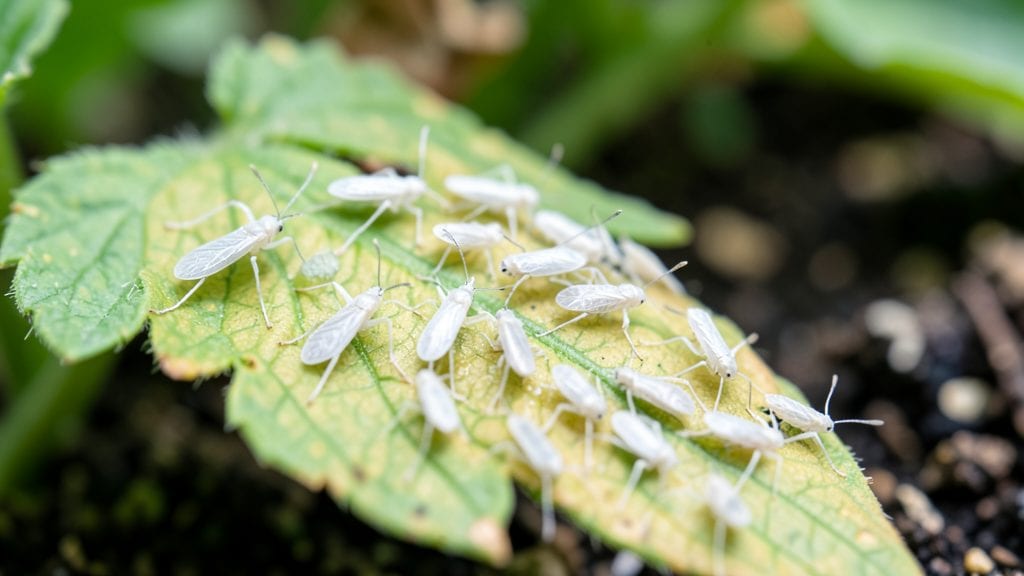
Whiteflies in garden turn your plants into sticky, sooty messes faster than you can say "pest control." I’ve battled these tiny white flies for years, and the right organic spray can wipe them out in under a week—no harsh chemicals needed.
The key is acting fast before they multiply into an unstoppable cloud over your basil or tomatoes.
These pests thrive in warm weather, clustering on undersides of leaves where they suck sap and leave behind a foul-smelling residue. Most gardeners panic and reach for chemical sprays, but that kills beneficial insects too.
Instead, I’ve perfected a neem oil blend that smothers adults and disrupts their life cycle—no gloves or masks required.
By day three, you’ll see fewer flies fluttering away when you disturb the plants, and within a week, new growth will emerge clean and vibrant.
The spray works on tomatoes, peppers, and even houseplants, making it the most versatile solution I’ve found. Plus, it’s safe to use right up until harvest.
Works best when combined with yellow sticky traps to monitor progress and prevent reinfestation. The best part? This method keeps working season after season, so you’ll never have to stress about whiteflies again. Let’s get started with the exact recipe and timing that actually works.
Root Causes of Whitefly Infestations
Whiteflies aren’t just random pests—they thrive because of specific conditions in your garden. Understanding these triggers helps you address the problem at its source. Below are the key reasons these tiny, winged nuisances take over your plants, explained in scientific terms with actionable insights.
Whiteflies love weak hosts. When plants are stressed—due to poor spacing, overwatering, or nutrient deficiencies—they release volatile organic compounds (VOCs) that attract these pests. Stressed plants also produce honeydew, a sticky byproduct of whitefly feeding, which further stresses the plant by fostering sooty mold (a black fungal growth).
- Why it happens:
- Competition for resources: Overcrowded plants compete for sunlight, water, and nutrients, weakening their immune response.
- Root zone issues: Compacted or waterlogged soil restricts root growth, making plants more susceptible to pests.
- Nutrient imbalances: A lack of nitrogen, phosphorus, or micronutrients (like calcium or magnesium) reduces plant vigor.
- Actionable fix:
- Prune aggressively to improve airflow and light penetration.
- Test soil pH (ideal range: 6.0–7.0 for most garden plants) and amend with compost or organic matter.
- Fertilize with balanced organic options (e.g., fish emulsion or worm castings) to boost plant resilience.
Whiteflies thrive in heat and humidity—ideal conditions for their rapid reproduction. These pests originate in tropical and subtropical regions, and their life cycle accelerates when temperatures hover between 70–90°F (21–32°C) with high humidity (60%+).
- Why it happens:
- Greenhouse effect: Plastic mulch, row covers, or dense foliage trap heat and moisture, creating a whitefly paradise.
- Poor ventilation: Stagnant air slows evaporation, keeping humidity levels perfect for egg-laying.
- Seasonal spikes: Late spring to early fall is peak whitefly season in most climates.
- Actionable fix:
- Use shade cloth (30–50% coverage) to reduce heat stress on plants.
- Space plants properly (follow tag guidelines) to improve airflow.
- Avoid overhead watering in the evening—opt for drip irrigation to keep foliage dry.
In a healthy garden ecosystem, beneficial insects like ladybugs, lacewings, and parasitic wasps keep whitefly populations in check. But if these predators are missing—due to pesticide use, habitat loss, or monoculture gardening—whiteflies multiply unchecked.
- Why it happens:
- Broad-spectrum pesticides: Chemicals like neonicotinoids or pyrethroids kill both pests and their natural enemies.
- Lack of biodiversity: Monoculture gardens (e.g., rows of identical tomato plants) provide no refuge for predator insects.
- Seasonal die-offs: Cold winters or drought can decimate predator populations before whiteflies rebound.
- Actionable fix:
- Introduce beneficial insects: Purchase lacewing larvae or ladybugs from garden centers.
- Plant companion flowers: Marigolds, dill, and fennel attract predatory wasps and hoverflies.
- Avoid synthetic pesticides: Switch to neem oil, insecticidal soap, or kaolin clay to protect beneficial bugs.
Once whiteflies infest a plant, they excrete honeydew—a sugary waste product that attracts more whiteflies, ants, and sooty mold. This creates a vicious cycle: 1. Whiteflies feed → produce honeydew.
- Honeydew attracts ants, which protect whiteflies in exchange for food.
- Sooty mold grows on honeydew, blocking sunlight and further weakening the plant.
- Why it happens:
- Ant-whitefly symbiosis: Ants farm whiteflies like cattle, stroking them to release honeydew for nourishment.
- Sooty mold spread: Fungal spores in the air land on sticky honeydew, germinating into black, crusty colonies.
- Actionable fix:
- Disrupt ant trails with borax bait stations or diatomaceous earth (food-grade only).
- Wipe off honeydew with a damp cloth to break the mold cycle.
- Spray plants with water to wash away honeydew (do this in the morning for quick drying).
Whiteflies can hitchhike on soil, pots, or gardening tools, introducing new infestations to pristine areas. Even compost or mulch from infested plants may harbor eggs or pupae.
- Why it happens:
- Reusing containers: Pots or grow bags from previously infested plants can carry whitefly pupae (white, waxy cocoons).
- Cross-contamination: Tools like pruners or trowels may transfer eggs between plants.
- Infested amendments: Compost made from whitefly-damaged leaves can reintroduce the problem.
- Actionable fix:
- Sterilize tools and pots: Soak in 10% bleach solution or rubbing alcohol between uses.
- Inspect new plants: Quarantine new additions for 2–3 weeks before introducing them to the garden.
- Replace contaminated soil: If soil is heavily infested, solarize it (cover with clear plastic for 4–6 weeks in sun) to kill pests.
Natural Fixes for Whitefly Infestations
Whiteflies may seem like a tiny, unstoppable force, but with the right strategies, you can reclaim your garden without harsh chemicals. Below, we’ve mapped out practical, organic solutions tailored to the root causes of your whitefly problem—whether it’s an overcrowded garden, weak plants, or an existing infestation.
Each fix includes prevention tips to keep these pests from returning.
Whiteflies thrive in crowded gardens where air circulation is poor. If your plants are struggling due to poor spacing or nutrient deficiencies, these pests will move in like uninvited guests at a buffet.
🔥 Fix It:
- 🍳 Prune and Thin Out Plants Remove any yellowing or damaged leaves immediately—they attract whiteflies. Thin out overcrowded areas to improve airflow, especially around tomatoes, peppers, and squash (their favorite snacks).
- Pro Tip: 💡 Snip off infested leaves before they drop to the soil, where eggs can hatch.
- 👨🍳 Boost Plant Health with Organic Fertilizer Weak plants are easy targets. Use compost tea, fish emulsion, or worm castings to strengthen roots and foliage. Whiteflies avoid healthy, vigorous plants!
- Pro Tip: 🌡️ Monitor soil moisture—overwatering stresses plants and makes them more susceptible.
- ⏰ Rotate Crops Annually Plant the same family (like nightshades or cucurbits) in the same spot only once every 3 years to break the whitefly life cycle.
If you’ve already got a visible problem—tiny white moths fluttering when you disturb leaves or sticky residue (honeydew) on foliage—it’s time for direct action.
🔪 Combat Them Fast:
- 🥘 Yellow Sticky Traps Hang yellow sticky cards near infested plants. Whiteflies are attracted to yellow and get trapped instantly. Replace traps every 1–2 weeks for best results.
- Pro Tip: 🎯 Place traps above the plant canopy to catch adults before they lay eggs.
- 🌊 Water Sprays (Blast ‘Em Away!) Whiteflies hate water. On a sunny day, spray infested plants with a strong stream of water (early morning or late afternoon to avoid shocking leaves).
Repeat every 2–3 days until they’re gone. - Pro Tip: ✨ Add a drop of dish soap to the water for extra stickiness—it helps dislodge eggs too.
- 🍄 Neem Oil Spray (Organic Knock-Out Punch) Mix 1 tsp neem oil + 1 tsp mild castile soap + 1 quart water in a spray bottle.
Apply evenly on the undersides of leaves (where eggs hide) every 5–7 days for 2–3 weeks. - Pro Tip: 🌡️ Store neem spray in a dark bottle and use within 48 hours for maximum potency.
The best defense? A whitefly-proof garden. Follow these steps to keep your plants safe long-term.
🛡️ Prevention Checklist:
- 🌿 Use Row Covers Early If whiteflies are a recurring issue, floating row covers (lightweight fabric) can block adults from laying eggs. Use them from planting until flowers appear (then remove to allow pollination).
- 🐝 Encourage Beneficial Insects Ladybugs, lacewings, and parasitic wasps love whiteflies. Plant dill, fennel, or alyssum to attract them naturally.
- Pro Tip: 💡 Avoid pesticides—even "safe" ones can harm these helpful predators!
- 🧹 Clean Up Debris Regularly Whitefly eggs and pupae hide in fallen leaves, weeds, and plant debris. Clear garden beds weekly to remove hiding spots.
- 🌱 Choose Resistant Varieties Some plants, like Swiss chard, collard greens, and certain tomato varieties (e.g., ‘Defiant PhR’), are less appealing to whiteflies. Check seed packets for "whitefly-resistant" labels.
- ❌ Don’t Ignore Honeydew Sticky honeydew attracts sooty mold, which weakens plants. Wipe leaves with a damp cloth or spray with water to remove it.
- ❌ Avoid Overusing Chemical Pesticides Whiteflies develop resistance quickly. Organic methods work better long-term and protect your garden’s ecosystem.
With these targeted fixes, your garden will be whitefly-free in 2–4 weeks. Stay consistent, and soon you’ll be enjoying healthy, pest-free plants without the hassle! 🌱🚀
Frequently asked questions
How do I know if my plants have whiteflies?
Look for tiny, white, moth-like insects fluttering away when you touch leaves—especially on the undersides. You’ll also spot sticky honeydew residue on foliage or black sooty mold growing where the honeydew collects. Check new growth first, as that’s where they lay eggs.
Can I use neem oil on edible plants right before harvest?
Yes, but wait 24 hours after spraying before harvesting. Neem oil breaks down quickly in sunlight, so it’s safe for leafy greens, herbs, and fruiting plants like tomatoes. Just avoid spraying flowers directly to protect pollinators. Always follow the 1 tsp neem oil + 1 tsp soap + 1 quart water ratio for best results.
Why do whiteflies keep coming back even after I treat them?
They likely hitchhike on new plants, soil, or tools! Quarantine new additions for 2–3 weeks, sterilize pots with rubbing alcohol, and check garden debris weekly. Also, ants may be protecting whiteflies—disrupt their trails with diatomaceous earth or borax bait. Consistent yellow sticky traps help monitor reinfestation.
Are there plants that naturally repel whiteflies?
Marigolds, basil, and dill act as natural deterrents by masking plant scents whiteflies love. Plant them near vulnerable crops like tomatoes or peppers. You can also introduce companion flowers like alyssum or nasturtiums to attract beneficial predators like ladybugs and lacewings that feast on whiteflies.
How long does it take for neem oil to work on whiteflies?
You’ll see a noticeable reduction in 5–7 days with consistent spraying. Neem oil disrupts their life cycle by smothering adults and preventing eggs from hatching. For severe infestations, combine it with yellow sticky traps and water blasts for faster results. Apply every 5–7 days until the problem clears.