
Tools
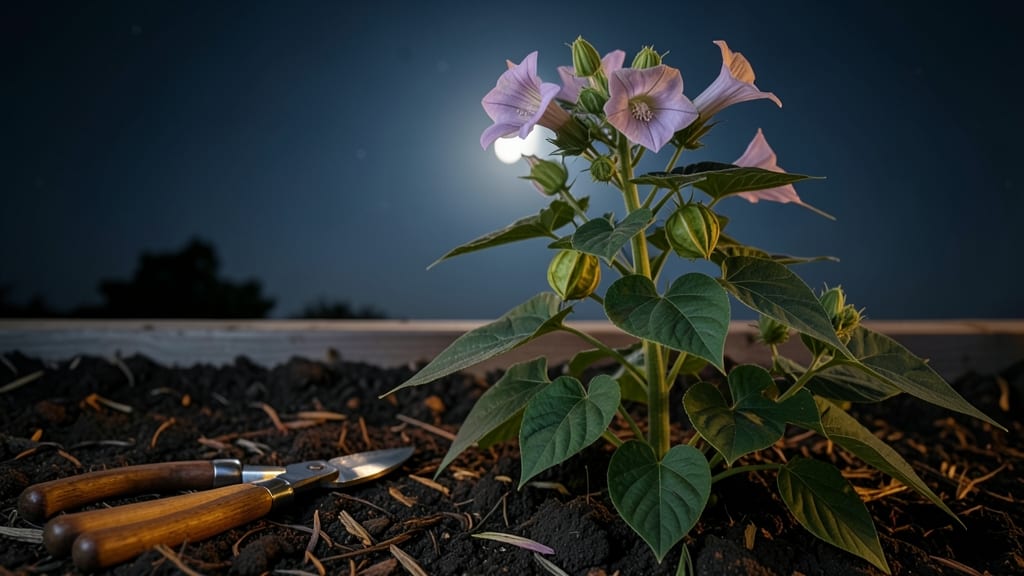
The world's deadliest garden contains plants like castor beans, oleander, and deadly nightshade, which produce ricin, taxine, and atropine—compounds that can be fatal if ingested or even touched. These deadly flora thrive in tropical and subtropical regions, demanding extreme caution from gardeners and researchers alike.
The concept of a "deadliest garden" isn't just a dark curiosity—it's a stark reminder of nature's hidden dangers. 🔥 Many of these plants, like the castor bean, produce toxins that can linger in the soil for years, posing risks even after removal.
Oleander, for instance, contains cardiac glycosides that can cause fatal heart failure within hours of exposure. Understanding their growth patterns and toxic mechanisms is crucial, especially for those in warm climates where these plants flourish naturally—or unfortunately, as invasive species.
What makes these plants particularly insidious is how easily they can be mistaken for harmless varieties. Deadly nightshade, for example, resembles common garden plants until you examine its distinctive purple-black berries.
Even experienced botanists must exercise caution, as some toxins (like ricin) can be absorbed through broken skin or inhaled as fine dust. This is why professional handling often requires gloves, masks, and immediate medical protocols when exposure occurs.
💡 In This Article
- Lethal Plant Toxins Explained
- Safety Measures for Handling Deadly Plants
Lethal plant toxins explained
Ricin, the infamous toxin from castor beans, works by irreversibly binding to ribosomes—the cellular machinery that builds proteins. A single castor bean contains enough ricin to kill an adult, yet the plant itself looks innocuous with its smooth, green pods.
The toxin disrupts protein synthesis in cells, causing organ failure within 36-72 hours of ingestion. 🔥 Unlike many poisons, ricin has no known antidote, making it one of the most feared biological weapons.
Taxine, found in yew trees, targets the heart's sodium channels, causing fatal arrhythmias. The plant's bright red arils (seed coverings) are particularly dangerous to children, who might mistake them for berries.
A dose of just 50 milligrams can be lethal, yet the plant's slow-acting effects (symptoms appear in 2-6 hours) often lead to delayed medical intervention. The toxin's mechanism involves blocking cardiac conduction, which is why victims often die from sudden cardiac arrest.
Atropine, from deadly nightshade, overstimulates the nervous system by blocking acetylcholine receptors. Symptoms start with dilated pupils and dry mouth, progressing to hallucinations and paralysis of respiratory muscles. Historically, it was used in medieval Europe to poison enemies—just two unripe berries can kill a child.
The plant's alkaloid content varies by maturity, with unripe berries being far more toxic than ripe ones, which explains why some historical poisonings were accidental.
What makes these toxins uniquely deadly is their persistence. Ricin remains potent for years in dry form, while taxine can survive in soil for decades.
Oleander's cardiac glycosides, similar to digitalis, create a narrow therapeutic window—too little causes no effect, but too much triggers irreversible heart failure. 💫 The body's inability to metabolize these compounds quickly is why even small exposures can be fatal.
Consider the 2013 case of Georgi Markov, assassinated with ricin-laced pellets. The toxin's slow onset (symptoms appeared 72 hours after exposure) allowed time for misdiagnosis, demonstrating how these poisons exploit medical delays.
Similarly, the 1984 Rajneeshpuram poisoning used salmonella-contaminated food, but the real danger came from the ricin-laced letters sent to politicians—proving how easily these toxins can be weaponized.
The key difference between these toxins lies in their delivery mechanisms. Ricin requires ingestion or injection, while taxine can be deadly through skin contact or inhalation of crushed seeds. Atropine's effects are immediate but reversible with proper treatment, unlike ricin's permanent cellular damage.
This variability explains why some plants (like oleander) are banned in public spaces, while others (like castor beans) are regulated but still cultivated for industrial uses.