
Tools
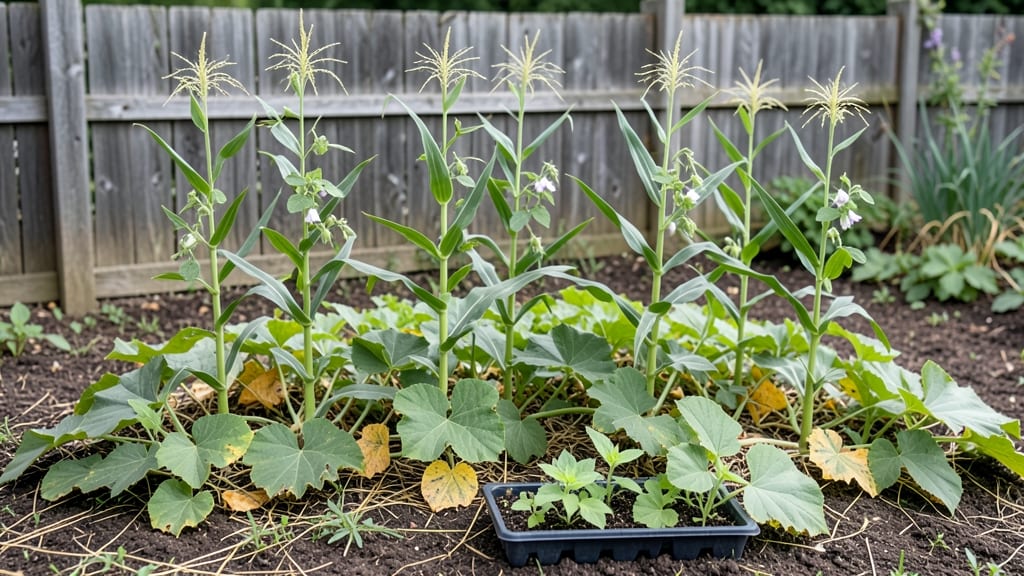
This ancient 3 sisters gardening tradition—planting corn, beans, and squash together—isn’t just gardening; it’s a permaculture gift from Indigenous wisdom that feeds families and heals the earth. 🌱 I first tried it after reading how these three plants grow in harmony, and my harvest doubled without extra work.
The corn provides structure, beans fix nitrogen, and squash shades the soil—nature's perfect team.
You'll need a sunny spot with well-draining soil, seeds for all three plants, and a little patience. Start with corn in early spring, then add beans when the corn is about a foot tall.
Squash goes in last, around the base of the corn. The spacing matters—corn needs 12 inches apart, beans 4 inches, and squash 3-4 feet between vines. It's not complicated, but it does take planning.
What you end up with is a thriving garden that needs less watering, fewer fertilizers, and produces more food. The beans keep the corn healthy, the squash stops weeds, and the whole system feeds the soil.
My first year, I harvested enough bushels of corn, pounds of beans, and pounds of squash to feed my family for months—with leftovers to share. The best part? It's free and sustainable.
This method works in any climate where these plants grow, from small backyard plots to larger gardens. Whether you're new to gardening or looking to deepen your practice, the 3 Sisters approach teaches patience, connection to the land, and the joy of growing food the old way.
Let's get those seeds in the ground!
📚 In This Guide
- What you need
- Instructions
- Tips and common mistakes
- Wrapping up and next steps
What you need
- ● Seeds: 1 lb corn (heirloom varieties like Black Aztec or Flint work best)
- ● 1 lb beans (pole beans like Scarlet Runner or Pinto)
- ● 1 lb squash (winter or summer varieties like Butternut or Zucchini)
- ● Soil: 1 cubic yard of nutrient-rich, well-draining soil (or compost + garden soil mix)
- ● Water: Consistent access to water (drip irrigation or a watering can)
- ● Gardening Tools: 1 trowel or hand fork
- ● 1 garden rake
- ● 1 pair of pruning shears
- ● 1 wheelbarrow (for soil/compost)
- ○ Optional (but Helpful!): Compost bin (for organic matter)
- ● Mulch (straw or wood chips to retain moisture)
- ● Trellis or stakes (for bean support)
- ● Garden gloves (to protect your hands)
- ● A sunny spot (at least 6–8 hours of sunlight daily)
- ● Space: Minimum 3 ft x 3 ft per plant mound (or larger for bigger harvests!)
- ● Patience! The 3 Sisters thrive when planted together—corn provides structure, beans fix nitrogen, and squash shades the soil.
Step-by-Step guide to planting the 3 Sisters garden
This ancient method creates a self-sustaining trio that thrives together—corn, beans, and squash.
🌱 Step 1: Choose Your Planting Site and Prepare the Soil
Select a sunny spot with at least 6 hours of sunlight daily—the more sun, the better the harvest. The 3 Sisters thrive in well-draining soil rich in organic matter, so mix in 2-3 inches of compost into the top 12 inches of soil before planting. I like to add a handful of wood ash for potassium, but only if your soil isn’t already alkaline.
Break up any clumps with a garden fork to loosen the soil without disturbing the structure. The goal is to create a loose, airy bed where roots can spread easily. If your soil is heavy clay, add sand or perlite to improve drainage—this prevents waterlogging, which beans hate.
🌿 Step 2: Plant the Corn First (The "Stalk")
Drop 4-5 corn seeds into each mound, spaced 12 inches apart in rows 3 feet apart. Plant them 1 inch deep—too shallow and they’ll dry out; too deep and they’ll struggle to push through. I use a stick to make small holes, then place the seeds inside and cover lightly with soil.
Corn acts as the vertical support for the beans, so give it a head start. Water gently after planting, keeping the soil evenly moist but not soggy. You’ll see sprouts in 7-10 days—this is your signal that the corn is off to a strong start.
💧 Step 3: Plant Beans Around the Corn (The "Sister")
Wait until the corn is 6-8 inches tall before planting beans. Drop 4-5 bean seeds around each corn stalk, 2 inches deep, about 4 inches away from the corn’s base. Beans fix nitrogen in the soil, which corn loves—it’s a natural fertilizer. Space bean plants 6 inches apart in rows 18 inches apart.
Water lightly after planting, but don’t overdo it—beans need consistent moisture, but their roots should never sit in water. You’ll notice tiny leaves emerging in 10-14 days. This is when the magic starts—the beans will climb the corn stalks as they grow, creating a living trellis.
☀️ Step 4: Add Squash (The "Sister") for Shade and Pest Control
After the beans are 4-6 inches tall, plant squash seeds 1 inch deep around the outer edges of the corn and bean patch. Space them 3 feet apart—squash spreads wide, so give it room. The large leaves will shade the soil, keeping moisture in and preventing weeds.
Water the squash well after planting, as it needs deep, consistent moisture to grow those sprawling vines. You’ll see squash leaves in 7-10 days, and soon the patch will look like a lush, green blanket. This is when the 3 Sisters truly start working together—the squash’s shade keeps the soil cool, the beans feed the corn, and the corn supports the beans.
✂️ Step 5: Maintain and Harvest for a Bountiful Yield
Water the entire patch 1-2 inches per week, focusing on the base of the plants. Mulch with straw or grass clippings to retain moisture and suppress weeds. You’ll know it’s working when the corn is tall and sturdy, the beans are climbing, and the squash is spreading outward.
Harvest corn when the silks turn brown and the kernels are plump. Pick beans when they’re firm and bright green, usually 60-70 days after planting. Squash is ready when the skin is hard and the stem separates easily from the vine. This garden doesn’t just feed you—it feeds the soil for years to come.
Tips & tricks for perfect 3 Sisters gardening
Here's what I've learned from years of growing this ancient method—these tricks will help you avoid common pitfalls and maximize your harvest.
Soil Preparation Secret: The 2-3 inches of compost you mix into the top 12 inches of soil is non-negotiable for this garden. I've found that adding a thin layer of biochar along with the compost helps retain moisture and nutrients even better. This is especially important in Step 1 when preparing your planting site—think of it as giving your soil a nutrient boost that'll last the entire growing season.
Timing is Everything: Don't rush planting the beans in Step 3! Waiting until the corn reaches 6-8 inches tall ensures the stalks are strong enough to support the climbing beans. I've seen too many gardens where impatient gardeners planted beans too early, and the corn couldn't handle the weight. Also, those 10-14 days for bean sprouts to appear might seem long, but it's worth the wait—the beans need time to establish their nitrogen-fixing roots before they start climbing.
Planting Strategy: When creating your corn mounds in Step 2, make them slightly larger than you think you'll need. The extra soil helps prevent water from pooling around the base, which is crucial for those 6 hours of daily sunlight the plants need. I like to create mounds about 12 inches wide at the base and 6 inches tall—they provide good drainage while still keeping the roots cool.
Maintenance Hack: In Step 5, when mulching with straw or grass clippings, add a light layer of wood chips on top. This creates a slow-release carbon source that feeds beneficial microbes in the soil. The wood chips also help regulate soil temperature, keeping it cool in summer and insulating in winter. This simple addition can make a huge difference in your long-term soil health.
Pro Tips for 3 Sisters Gardening
- Here's what I've learned from years of growing this ancient method—these tricks will help you avoid common pitfalls and maximize your harvest.
- Soil Preparation Secret: The 2-3 inches of compost you mix into the top 12 inches of soil is non-negotiable for this garden.
- Timing is Everything: Don't rush planting the beans in Step 3!
Frequently asked questions
Got questions about the Three Sisters method?
You’re not alone! This time-tested technique blends tradition, sustainability, and simplicity—but like any gardening approach, it has nuances. Here are answers to the most common queries to help you grow with confidence.
What are the exact spacing requirements for the Three Sisters?
The classic setup plants corn 12–18 inches apart in hills, beans 4–6 inches from each corn stalk (they’ll climb!), and squash 3–4 feet apart around the base. Squash acts as a living mulch, so leave extra space (5+ feet) between hills if your variety sprawls. Pro tip: Adjust spacing for dwarf varieties or small gardens!
When is the best time to plant the Three Sisters?
Plant corn first when soil reaches 60°F (spring, after last frost). Sow beans 1–2 weeks later (they tolerate cooler soil). Save squash seeds for last—plant them 2–3 weeks after corn, once night temps stay above 50°F. Key: Corn’s fast growth gives beans a trellis, while squash shades the soil to retain moisture.
Can I grow the Three Sisters in containers or small spaces?
Use 5-gallon buckets or large fabric grow bags for each "sister." Opt for bush beans and compact squash varieties (like ‘Eight Ball’ zucchini). For containers, plant 1 corn stalk per pot, 2–3 bean plants around it, and let squash vines spill over the edges. Bonus: Vertical gardening saves space—try a trellis for beans!
How do I prevent pests like squirrels or deer from raiding my Three Sisters garden?
Squirrels and deer love corn and squash! Physical barriers work best: Wrap corn stalks in chicken wire or use row covers for squash. Plant near deterrent herbs (like basil or marigolds) or surround the garden with thorny bushes. For deer, a 8-foot fence is ideal. Quick fix: Scare tactics (old CDs, motion-activated sprinklers) can buy time while plants establish.
What if my beans don’t climb the corn? Should I replant?
Don’t panic! Beans may struggle if corn stalks are too weak (underwatered or overcrowded) or if you planted them too late. Try trellising beans with twine or a small cage if they’re short. If beans fail entirely, replant pole beans near other supports (like a fence) or harvest corn earlier. Remember: Even "failed" gardens yield edible corn and squash!
Can I rotate crops if I plant the Three Sisters yearly?
Yes! Since the Three Sisters are heavy feeders, rotate their location yearly to prevent soil depletion. Avoid planting nightshades (tomatoes, peppers) in their spot the next year (they’re in the same family as squash). Instead, try legumes (peas, lentils) or alliums (onions, garlic) to restore nitrogen. Tip: Add compost or green manure to replenish nutrients between plantings.
Wrapping up and next steps
The 3 Sisters Gardening method isn’t just a way to grow food—it’s a sustainable legacy passed down for generations. By planting corn, beans, and squash together, you nurture the land while creating a thriving, low-maintenance garden that feeds both body and spirit. 🌱✨
Ready to start your own 3 Sisters plot? Begin small—even a 4’x4’ patch will yield enough for meals and sharing. Gather your materials, study the sun, and let the earth guide you. Every seed you plant is a step toward a greener, more connected future!