
Fertilization
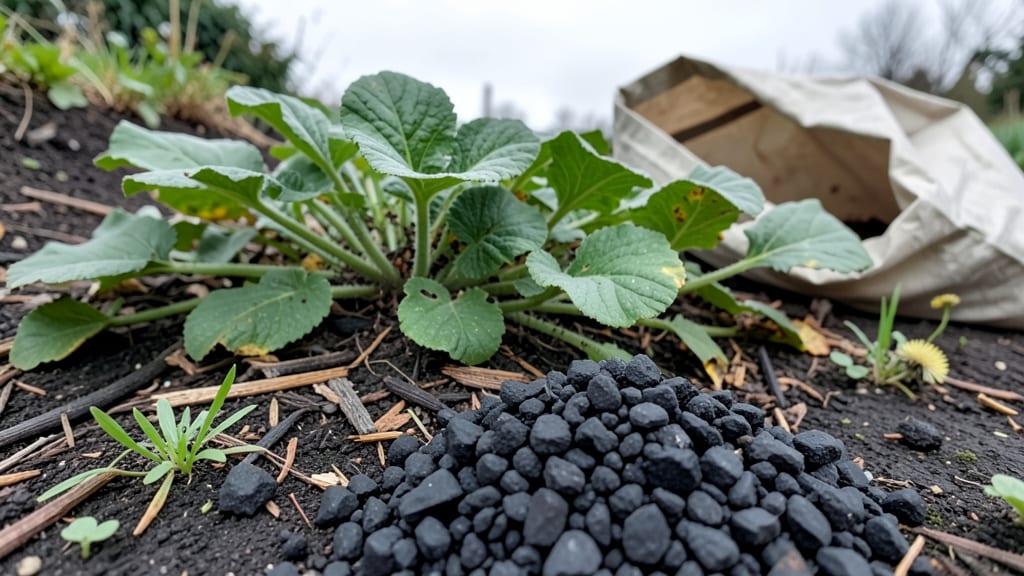
Charcoal in gardening improves soil aeration, retains moisture, and neutralizes toxins by binding heavy metals and excess salts, while also promoting beneficial microbial activity for healthier plant roots.
Charcoal’s secret power lies in its microscopic pores, which act like a sponge for pollutants while letting water and air flow freely. 💫 Unlike chemical amendments, it works passively—no mixing required—just spread a thin layer on top of soil or mix it into compost.
I’ve seen houseplants thrive in potted mixes with just 10% charcoal, while vegetable gardens benefit from a light top-dressing after planting. The real magic happens underground: those pores create microhabitats where beneficial bacteria and fungi multiply, breaking down organic matter faster.
For acid-loving plants like blueberries or hydrangeas, charcoal helps maintain that critical pH balance by preventing salt buildup from fertilizers. In containers, it’s especially valuable because it prevents compaction from watering.
Just remember: a little goes a long way—overdoing it can make soil too porous, so start with small amounts and observe how your plants respond.
💡 In This Article
- How Activated Charcoal Enhances Soil Chemistry
- Best Ways to Apply Charcoal for Different Plant Types
How activated charcoal enhances soil chemistry
Activated charcoal works like a molecular sieve in your garden. Its porous structure—with surface areas exceeding 1,000 square meters per gram—creates tiny pockets that trap harmful chemicals while allowing water and oxygen to circulate freely.
This high porosity explains why it can detoxify soil by binding pesticides, herbicides, and even excess salts through a process called adsorption, where contaminants stick to the charcoal's surface rather than remaining in the soil solution.
The real game-changer is charcoal's cation exchange capacity (CEC), which measures its ability to hold nutrients. With a CEC ranging from 100-400 meq/100g, it rivals organic matter like compost while being more stable.
This means it can temporarily store essential nutrients like calcium, magnesium, and potassium, releasing them slowly to plants as needed. Unlike synthetic fertilizers that spike nutrient levels temporarily, charcoal provides a steady supply—similar to how a high-quality humus layer works but with added detox benefits.
For pH balance, charcoal acts as a gentle buffer. While it's slightly alkaline itself (pH ~9-10), its primary effect comes from neutralizing acidic compounds in soil. When you mix 5-10% charcoal into acidic garden beds, it helps stabilize pH swings caused by rain or acidic fertilizers.
This is particularly valuable for acid-loving plants like azaleas or blueberries, where sudden pH shifts can stress roots. The porous structure also prevents salt buildup from fertilizers by physically trapping them before they can harm plant cells.
What's often overlooked is how charcoal stimulates microbial life. The same pores that trap toxins create microhabitats for beneficial bacteria and fungi. Studies show that adding charcoal increases microbial populations by 30-50% by providing shelter and food sources.
These microbes then break down organic matter more efficiently, creating a self-sustaining nutrient cycle. Think of it as adding tiny, invisible apartments for your soil's beneficial tenants—each one contributing to healthier roots and stronger plants.
The detoxification process works through both physical and chemical mechanisms. Heavy metals like lead or cadmium get trapped in the charcoal's pores through electrostatic attraction, while organic pollutants bind through van der Waals forces. This dual-action cleanup explains why charcoal is used in water filtration systems too.
In garden soil, it doesn't just mask problems—it actively removes them, creating a cleaner growing environment where plants can access nutrients without toxic interference.
For visual learners, imagine charcoal as a soil's natural detoxifying sponge. When you add it to your garden beds, you're not just amending the soil—you're creating a more resilient ecosystem where plants can thrive without the stress of chemical imbalances.
The results? Healthier roots, better water retention, and plants that look like they've been given a premium growing environment rather than just basic soil. 🌱