Tools
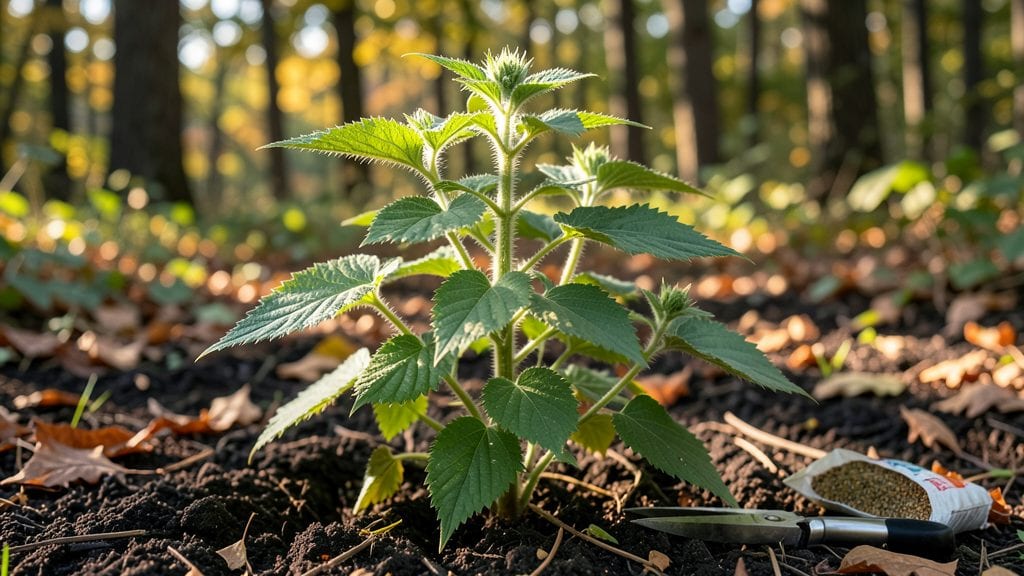
A rash after gardening often appears from plant sap, soil bacteria, or insect bites, but can also result from pesticide allergies or latex glove reactions. Immediate relief comes from cool compresses, hydrocortisone cream, or antihistamines, while spotting the cause helps stop future flare-ups.
A gardening rash isn't just annoying—it's your skin's way of reacting to hidden irritants lurking in your favorite hobby. 🌿 The culprits range from poison ivy's infamous urushiol oil to harmless-looking soil bacteria thriving in damp conditions, while some people's skin overreacts to common garden chemicals.
What's surprising is how quickly symptoms appear: within minutes for severe allergies or up to 48 hours for delayed reactions like poison ivy. I've seen gardeners swear by long sleeves and gloves, but even those can cause reactions if the material isn't breathable or properly cleaned.
Here's the kicker—prevention is easier than you think. A simple rinse with cold water after handling plants removes up to 80% of potential irritants before they bind to your skin.
For stubborn cases, I keep a bottle of diluted white vinegar in my gardening caddy—it neutralizes oils while being gentler than harsh soaps. The key is acting fast: once those oils penetrate your skin, they're there for days until your body flushes them out naturally.
💡 In This Article
- Common Plant Triggers for Gardening Rashes
- Step-by-Step Rash Relief and Prevention Guide
Common plant triggers for gardening rashes
Here's what's actually happening when your skin reacts to plants: Most gardening rashes stem from urushiol, a clear oil found in poison ivy, oak, and sumac that binds to your skin's proteins within minutes of contact.
This oil isn't just on leaves—it's in the plant's roots, stems, and even airborne when crushed. 🌿 For example, poison ivy contains about 0.0001% urushiol by weight, but that tiny amount is enough to trigger a reaction in 80% of people.
Even "harmless" plants like tomatoes and cucumbers can cause issues because their sap contains mild irritants that break down skin barriers when combined with sweat or humidity.
The science gets even more interesting with soil bacteria. Garden soil often harbors Staphylococcus and Pseudomonas species that thrive in damp conditions, creating micro-tears in your skin when you handle dirty tools or plants. These bacteria release enzymes that degrade your skin's natural oils, making you more susceptible to irritation.
Humidity plays a villainous role too—when sweat mixes with plant oils, it creates a pH imbalance on your skin's surface, accelerating the inflammatory response. That's why rashes often flare up worse on hot, humid days after just 15-30 minutes of gardening.
What most people don't realize is how plant oils behave differently based on temperature. Urushiol becomes more volatile at 75°F and above, meaning it spreads faster through the air when working in warm conditions.
This is why you might develop a rash even if you didn't directly touch the plant.
The oil can also linger on tools, clothing, and even pets for up to 5 years if not properly cleaned. 🔥 For instance, a pair of gardening gloves contaminated with urushiol can transfer the oil to your hands every time you put them on, creating a delayed reaction that appears hours later.
Even common garden vegetables play a role in unexpected ways. Plants like potatoes and eggplants contain solanine, a natural toxin that becomes more concentrated when exposed to light. While usually not problematic, handling these plants in large quantities can cause skin irritation, especially if you have sensitive skin.
The key factor here is repetitive exposure—what might cause no reaction after one handling could trigger a rash after multiple sessions. This cumulative effect explains why some gardeners develop reactions only after weeks of regular work.
Your skin's natural moisture barrier also becomes a battleground. The stratum corneum—the outermost skin layer—normally protects against irritants, but gardening activities compromise it through abrasion and chemical exposure. When this barrier weakens, even mild plant compounds can penetrate deeper, triggering immune responses.
For example, the 0.5% oleoresin capsaicin found in chili peppers (which some gardeners grow) can cause burning sensations when it comes into contact with broken skin, similar to how poison ivy works but with a different chemical mechanism.
Humidity doesn't just worsen existing reactions—it actually increases your skin's permeability by up to 30%. When relative humidity exceeds 60%, your skin absorbs more moisture, causing it to swell slightly and become more vulnerable to irritants.
This is why gardeners in tropical climates often experience more severe reactions than those in drier regions, even when working with the same plants. The combination of sweat, plant oils, and high humidity creates a perfect storm for skin irritation.