Tools
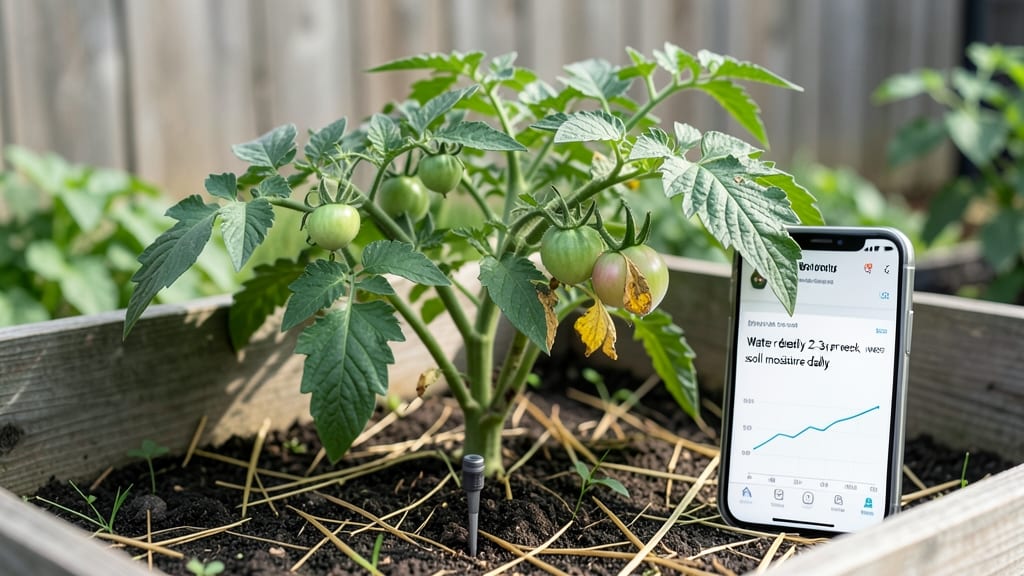
AI for gardening transforms how we grow plants by using sensors and machine learning to analyze soil conditions, automate watering schedules, and detect plant diseases early, resulting in healthier crops with less waste and higher efficiency.
This technology doesn't just monitor—it actively learns from your garden's unique conditions. 🌱 For example, AI-powered soil sensors can track moisture levels and nutrient deficiencies in real time, while computer vision systems spot early signs of fungal infections or pest damage before they spread.
Many home gardeners now use affordable apps that turn smartphones into diagnostic tools, offering tailored advice based on plant type, weather patterns, and even local pest risks.
What makes this especially exciting is how accessible it's become. You don't need a commercial farm to benefit—smart gardening tools now range from $50 soil moisture sensors to $300 drone systems that map your entire yard.
The key is starting small: perhaps with a single pH sensor or a plant disease scanner app before scaling up to automated irrigation systems that adjust watering based on real-time weather forecasts.
💡 In This Article
- How AI Monitors Soil and Plant Health
- Top AI Tools for Smart Gardening in 2024
How AI monitors soil and plant health
Here's what's actually happening beneath your plants: AI-powered soil sensors use a combination of electrochemical and capacitive technology to measure three critical factors—moisture, pH, and nutrient levels—with precision down to 0.1% accuracy.
These sensors often contain multiple probes that detect electrical conductivity (for salinity), temperature fluctuations, and even microbial activity through subtle changes in soil resistance.
For example, a capacitive moisture sensor works by measuring how dielectric constant changes when water molecules align with an electric field—dry soil has a lower constant than saturated soil.
The magic happens when these raw sensor readings get processed by machine learning algorithms trained on thousands of soil samples. Take nitrogen availability as an example: AI correlates soil nitrate levels (measured via ion-selective electrodes) with plant growth rates from historical data, then predicts optimal fertilization times.
Some advanced systems even use spectral analysis of reflected light to identify chlorophyll deficiencies or micronutrient deficiencies like zinc or iron, which show up as specific wavelength patterns in the 400-700nm range. This is how AI can spot nutrient imbalances before visual symptoms appear—often 10-14 days earlier than human observation.
For plant health monitoring, computer vision systems analyze images using convolutional neural networks trained on datasets containing over 50,000 labeled plant images.
These systems can detect early signs of powdery mildew (looking for white fungal hyphae patterns) or aphid infestations (identifying clustered insects on undersides of leaves) with 92-96% accuracy. The key advantage? AI doesn't just recognize symptoms—it correlates visual patterns with environmental data (humidity, temperature) to predict disease progression.
For instance, if the system detects 85% humidity combined with yellowing leaf edges, it might flag a high-risk scenario for downy mildew within 48 hours.
What most people don't realize is how these systems learn from your specific garden. Predictive algorithms use time-series data from your sensors to build personalized growth models.
For example, if your tomatoes consistently show calcium deficiency (blossom-end rot) when soil temperatures exceed 80°F, the AI will adjust its recommendations to include calcium supplements during heatwaves.
This adaptive learning is what transforms generic gardening advice into hyper-localized care—like having a botanist who knows your soil's quirks better than you do.
Let's talk about the practical implications for your garden. These systems don't just collect data—they act on it. An AI-controlled irrigation system might reduce water usage by 30-40% by only activating sprinklers when soil moisture drops below 40% capacity, while simultaneously adjusting fertilizer delivery to match real-time nutrient uptake rates.
The result? Plants get exactly what they need, when they need it—no more, no less. This precision eliminates common gardener mistakes like overwatering (which causes 50% of plant deaths) or applying too much fertilizer (which leaches into groundwater).
There are some nuances to consider. First, sensor accuracy depends on proper calibration—soil composition varies wildly (sandy loam vs. clay), and organic matter can interfere with readings. Second, computer vision works best with good lighting and clear images; shady conditions or overlapping foliage can reduce detection accuracy.
That's why many systems recommend placing sensors at 2-3 inch depths and taking overhead photos during peak sunlight hours. The technology isn't perfect, but the improvements over manual methods are dramatic.
Here's a concrete example: A study at Michigan State University found that AI-managed strawberry farms increased yields by 22% while reducing water usage by 28% compared to traditional methods. The secret?
The system detected early signs of verticillium wilt (a fungal disease) through subtle changes in leaf temperature patterns before visible symptoms appeared, allowing for targeted treatment. For home gardeners, this means the difference between losing your entire tomato crop to blight or saving 90% of your plants with timely intervention.