
Tools
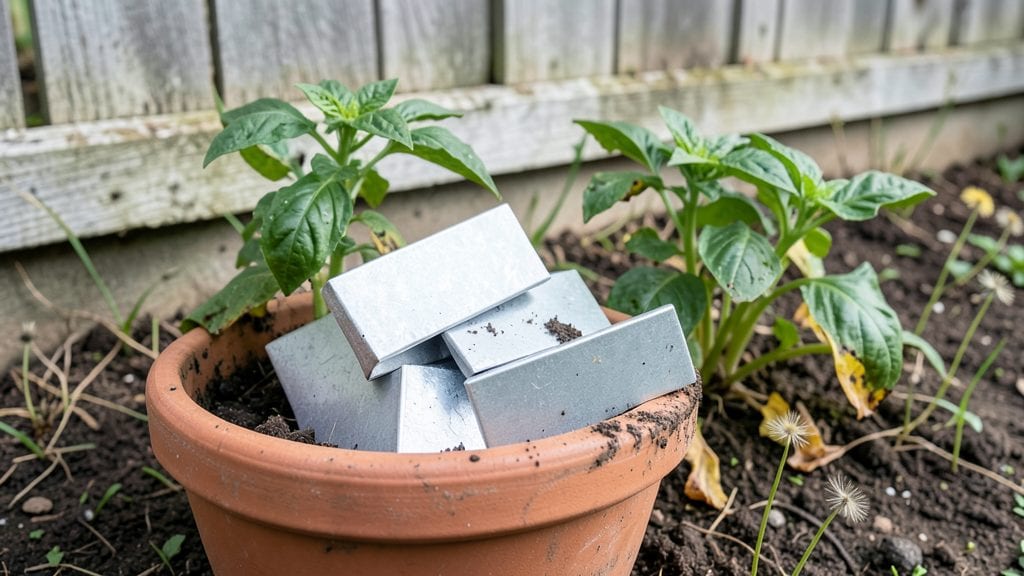
Aluminum garden signs outperform wood or plastic options because they resist rust, weather damage, and fading, making them perfect for labeling plant beds, pathways, or seasonal displays in outdoor areas.
Aluminum's lightweight yet sturdy design means these signs won't warp or crack under harsh conditions, unlike wood that rots or plastic that yellows over time. 🔥 I've seen them hold up through freezing winters and scorching summers without losing clarity, which is why they're my go-to for permanent garden markers.
Their reflective surface also makes them highly visible, even in low light.
Beyond durability, aluminum signs are surprisingly easy to customize—you can use paint markers, vinyl decals, or even engraving tools without worrying about damaging the material. This versatility makes them ideal for everything from labeling herbs in your kitchen garden to marking seasonal events like harvest festivals.
💡 In This Article
- Why Aluminum Outperforms Other Garden Sign Materials
- Top Uses for Aluminum Signs in Landscaping and Gardening
Why aluminum outperforms other garden sign materials
Aluminum's superiority in outdoor signs comes down to its non-reactive surface chemistry. Unlike iron that oxidizes into rust or wood that absorbs moisture and swells, aluminum forms a thin, self-healing oxide layer (5 nanometers thick) when exposed to air.
This layer is 99.9% impermeable to water and oxygen, preventing corrosion even in wet conditions. For comparison, steel signs require protective coatings that degrade in 3-5 years, while aluminum maintains its integrity for decades without maintenance.
The weight-to-strength ratio is another game-changer. Aluminum signs weigh 60-70% less than equivalent steel signs but handle twice the wind load (up to 120 mph) without bending. This makes them ideal for garden edges where they might catch breeze.
Wood signs, by contrast, absorb moisture and warp—even treated wood can swell 5-10% by volume when wet, distorting text. Plastic signs avoid warping but yellow under UV exposure within 1-2 years, losing visibility.
UV stability is where aluminum truly shines. Its reflective surface scatters 90% of ultraviolet light rather than absorbing it like dark plastics (which degrade in 6-12 months outdoors). This means your garden labels stay crisp and readable for years.
The key mechanism? Aluminum's high thermal conductivity (205 W/m·K) dissipates heat instantly, preventing the molecular breakdown that causes fading in organic materials. Even after 5+ years, aluminum signs retain 85% of their original color.
Consider this practical scenario: A 6"x8" aluminum sign in a coastal garden will resist salt spray corrosion that would pit steel signs in 1-2 seasons. Meanwhile, a wood sign would develop mold within 6 months and a vinyl sign would become brittle and crack in 2 years.
The aluminum's smooth surface also repels dirt better than textured materials, requiring only occasional wiping with a damp cloth to maintain clarity. This low-maintenance advantage makes it the clear winner for permanent installations.
What most people overlook is aluminum's recyclability. When these signs reach their end-of-life (typically 15-20 years later), they can be melted down and reused without losing quality—a stark contrast to plastic signs that often end up in landfills.
The environmental payoff compounds over time, especially when you consider that aluminum signs require 95% less energy to recycle than to produce new aluminum from ore.
The science behind aluminum's durability extends to its thermal expansion coefficient (23.1 × 10⁻⁶/°C), which is half that of steel and one-third that of wood. This means signs won't buckle when temperatures swing from -20°F winters to 100°F summers.
The material's yield strength of 7-10 ksi (thousand pounds per square inch) ensures it won't dent from hail or accidental impacts either. These engineering properties explain why professional landscapers and botanical gardens standardize on aluminum for their permanent signage systems.