
Tools
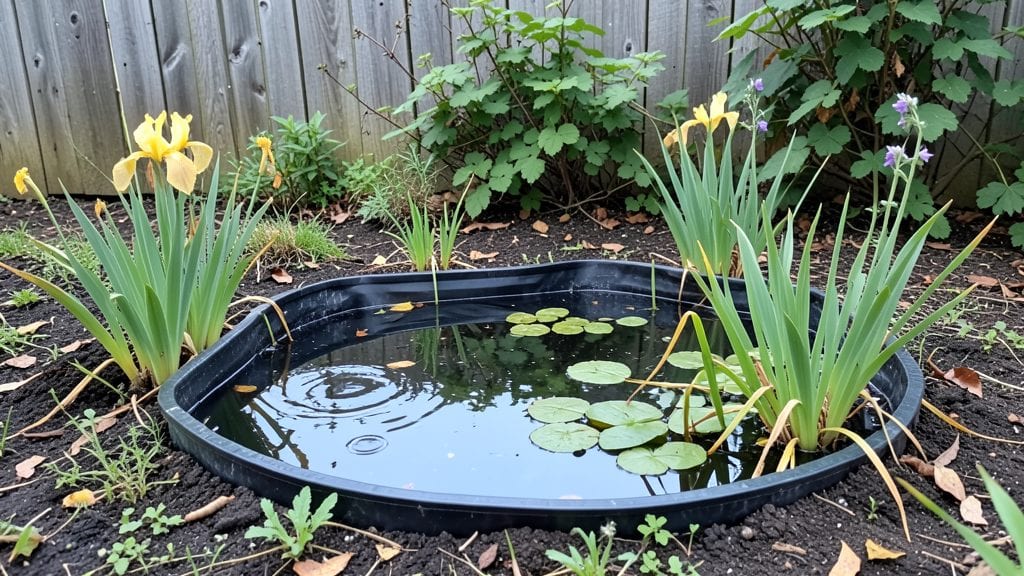
A backyard garden pond transforms your yard into a tranquil retreat where frogs hum in the evening and sunlight dances on rippling water.
I built mine after years of dreaming about the sound of moving water—now it’s the centerpiece of my garden, attracting dragonflies and creating a cool microclimate for plants. The key isn’t just digging a hole; it’s designing an ecosystem that thrives with minimal fuss.
Start small if you’re new to this—a 3-foot-wide pond can support fish, plants, and wildlife while being manageable. You’ll need a liner, rocks for edges, a pump (if you want movement), and native aquatic plants like water lilies or pickerelweed to keep the water clear.
The right balance of fish, plants, and filtration turns a pond from a decorative feature into a self-sustaining habitat.
By summer’s end, you’ll have a space that feels like a secret garden escape—where you can sit by the water’s edge and watch dragonflies dart overhead. The plants will soften the edges naturally, and the sound of trickling water (if you add a small fountain) will drown out neighborhood noise.
This isn’t just a pond; it’s a living, breathing part of your landscape.
Works for any yard size, from tiny urban patches to sprawling backyards. The biggest mistake? Overcomplicating it—start simple, and let nature do the rest. Ready to make your garden sing?
📚 In This Guide
- What you need
- Instructions
- Tips and common mistakes
- Wrapping up and next steps
What you need
- ● Pond Liner: EPDM rubber or PVC (size depends on pond depth; check for UV resistance).
- ● Excavation Tools: Shovel (flat & round)
- ● Matock or digging bar
- ● Wheelbarrow (for hauling dirt)
- ● Pond Underlayment: Geotextile fabric (to protect the liner; 10–20% larger than pond footprint).
- ● Rocks & Landscaping Stones: Field stones or boulders (for edges, waterfalls, or cascades)
- ● Pebbles/gravel (1–2 bags for pond base)
- ● Pump & Filtration: Submersible pump (1/4–1/2 HP, depending on pond size)
- ○ UV clarifier (optional but recommended for algae control)
- ● Water Feature Add-Ons: Skimmer box (to remove debris)
- ● PVC pipes (for water circulation)
- ● Safety & Utility: Gloves & knee pads
- ● Level (to ensure even depth)
- ● String line & stakes (for marking pond shape)
- ● Plants & Ecosystem Boosters: Oxygenating plants (e.g., hornwort, anacharis)
- ● Marginal plants (e.g., water lilies, cattails)
- ● Fish (koi or goldfish, if desired)
- ● Aesthetic Touches: LED pond lights (for ambiance)
- ● Decorative bridges or statues
- ● Floating fountains or waterfalls
- ● Maintenance Supplies: Pond vacuum
- ● Barley straw (natural algae inhibitor)
- ● Test kits (for pH, ammonia, nitrites)
Step-by-step instructions for building a balanced backyard garden pond
Creating a thriving pond is simpler than it looks—just follow these clear steps.
Plan and Mark the Pond Location
Choose a level spot with at least 6 hours of sunlight daily—this ensures healthy aquatic plants and prevents algae overgrowth. Use a garden hose to trace the pond shape on the ground, keeping it at least 2 feet deep for safety and to accommodate fish if desired. I like to sketch the design first, marking where the 4 plants will go along the edges for natural beauty and filtration.
Test the soil by digging a small hole—if it’s clay-heavy, add a 2-inch layer of sand to the bottom for drainage. Avoid placing the pond near large trees, as falling leaves and roots can clog the water over time. Measure twice before marking to ensure the shape fits your space without crowding other plants or structures.
Excavate and Line the Pond
Dig out the marked area, sloping the edges gently to prevent erosion. The sides should be at least 12 inches wide at the top for stability. Line the bottom and sides with a pond liner, smoothing out wrinkles to avoid sharp edges that could tear it. Bury the liner’s edges 4-6 inches deep around the perimeter to secure it and prevent water from seeping out.
For a natural look, cover the liner with 1-2 inches of washed gravel along the bottom and edges. This adds weight to keep the liner in place and creates a stable base for plants and rocks. Double-check that the liner is fully submerged in water before adding rocks—this prevents air pockets that could cause leaks later.
Install a Pump and Filtration System
Place a submersible pump in the deepest part of the pond, ensuring it’s fully covered by water to prevent damage. Connect it to a filter pad and UV clarifier to keep the water clear and free of algae. Run the pump for 24 hours before adding plants or fish to cycle the water and establish a healthy ecosystem.
Position the pump’s outflow near the pond’s edge to create gentle water movement, which oxygenates the water and discourages mosquito breeding. Test the pump’s flow rate—it should circulate the entire pond’s water every 1-2 hours for optimal filtration. If the pond is larger than 100 square feet, consider adding a second pump for better circulation.
Add Plants and Rocks for Balance
Plant the 4 aquatic plants you’ve selected in the pond’s edges and shallow areas. Use oxygenating plants like hornwort or anacharis in the deepest sections, while marginal plants like water lilies or cattails thrive near the shore. Space them 12-18 inches apart to allow room for growth and prevent overcrowding.
Add 3-4 large rocks around the pond’s perimeter to create natural seating or viewing spots, and place smaller rocks along the bottom for fish to hide. Avoid using limestone or marble, as they raise the water’s pH over time. Fill the pond slowly with water, leaving 4-6 inches of space at the top to account for evaporation and seasonal changes.
Introduce Fish and Monitor the Ecosystem
Wait 4-6 weeks before adding fish to allow the pond’s ecosystem to stabilize. Start with 2-3 hardy species like goldfish or koi, introducing them gradually to avoid overloading the filtration system. Feed them sparingly—overfeeding leads to excess waste and cloudy water.
Monitor the water’s clarity and pH weekly. If algae starts to form, increase sunlight exposure or add more aquatic plants. A balanced pond will have clear water, minimal debris, and active fish within 8-12 weeks. Adjust the pump’s flow or add beneficial bacteria if the water remains murky after a month.
Tips & tricks for building a balanced backyard garden pond
Building a backyard pond is a rewarding project that creates a tranquil space—but a few key strategies will help you avoid common pitfalls and create a thriving ecosystem right from the start.
Location is Everything: That 6 hours of sunlight requirement isn't just about plant health—it's also about preventing algae blooms. I've seen ponds in shady spots develop green water within weeks because the plants can't compete with algae for nutrients. If your yard only gets partial sun, consider adding more oxygenating plants like hornwort to help balance the ecosystem.
Liner Protection Strategy: When burying those liner edges 4-6 inches deep, use landscape fabric underneath to prevent soil from puncturing the liner over time. I learned this the hard way after a sharp rock tore through my liner just months after installation. Also, smooth every wrinkle before adding water—those tiny folds can become stress points that lead to leaks.
Pump Placement Matters: The 24-hour pump cycle before adding plants is crucial for establishing beneficial bacteria, but placement affects performance too. Position the pump so its outflow creates a gentle cascade near the pond's edge—this not only looks beautiful but also prevents stagnant dead zones where algae can grow. For ponds over 100 square feet, I recommend installing two smaller pumps instead of one large one for better circulation.
Plant Spacing Secret: Those 12-18 inch spacing guidelines between your 4 aquatic plants might seem generous, but they're essential for long-term health. Overcrowding leads to competition for nutrients and creates shaded areas that promote algae. I like to sketch a simple grid on the liner before planting to ensure even distribution—it makes a noticeable difference in how the pond matures over time.
Pro Tips for Backyard Garden Pond
- Building a backyard pond is a rewarding project that creates a tranquil space—but a few key strategies will help you avoid common pitfalls and create a thriving ecosystem right from the start.
- Location is Everything: That 6 hours of sunlight requirement isn't just about plant health—it's also about preventing algae blooms.
- Liner Protection Strategy: When burying those liner edges 4-6 inches deep, use landscape fabric underneath to prevent soil from puncturing the liner over time.
Frequently asked questions
Got questions about creating your dream backyard garden pond?
Here are answers to the most common concerns—from planning to maintenance—so you can dive in with confidence!
What’s the best time of year to build a garden pond?
The ideal time is early spring or late summer when temperatures are mild. Avoid freezing winters or scorching summers, which can stress plants and wildlife. Spring lets you start with fresh soil, while late summer gives plants time to establish roots before cooler weather.
How much does a backyard pond cost, and what’s included?
Costs vary widely! A small DIY pond (100–200 sq. ft.) runs $500–$2,000, covering liner, pump, rocks, and basic plants. Larger or preformed ponds (300+ sq. ft.) can hit $3,000–$10,000+, including professional installation, filtration, and landscaping. Pro tip: Skimping on pumps or liners can lead to costly repairs later!
Will a pond attract unwanted pests like mosquitoes or snakes?
Not if you plan it right! A healthy pond ecosystem with fish, frogs, and aquatic plants naturally controls mosquitoes. Add a fountain or waterfall to disrupt stagnant water. Snakes? They’ll visit but won’t stay if there’s no shelter. Tip: Mosquito dunks (Bti tablets) are a game-changer for peace of mind!
Can I use a pond liner, or are there alternatives?
Pond liners (EPDM or PVC) are the most common and durable, but alternatives exist! For small, shallow ponds, try a preformed fiberglass shell or clay liner (if soil is clay-heavy). Natural options: Lava rocks or a pondless water feature (recirculating system) eliminate liners entirely. Just weigh pros/cons—liners last decades but require precise installation!
How do I keep my pond water clear and free of algae?
Balance is key! Start with a UV clarifier or barley straw (natural algae inhibitor). Add oxygenating plants (like hornwort) and a proper-sized pump/filter. Maintenance: Test water weekly (aim for pH 6.5–8.5), remove debris, and never overfeed fish. A little algae is normal—but slimy green blobs? Time to adjust!
Should I add fish, and if so, which ones are best for beginners?
Fish add beauty and balance! Start with hardy, cold-resistant species like goldfish, koi, or rosy red minnows. Avoid tropical fish—they need heaters. Rule of thumb: 1 inch of fish per 10–20 sq. ft. of surface area. Overstocking = murky water and stressed fish. Pro tip: Add fish after plants are established (3–6 months in)!
Wrapping up and next steps
A backyard garden pond isn’t just a stunning addition to your outdoor space—it’s a thriving ecosystem that brings tranquility, wildlife, and natural beauty to your home. 🌿 Whether you’re drawn to the soothing sounds of water, the joy of nurturing aquatic life, or simply the art of creating harmony with nature, your pond is a labor of love that will reward you for years to come.
Ready to take the plunge? Start small—sketch your design, gather your tools, and dive into the rewarding process. Every ripple you create will lead to a serene sanctuary you’ll cherish! 💦