
Tools
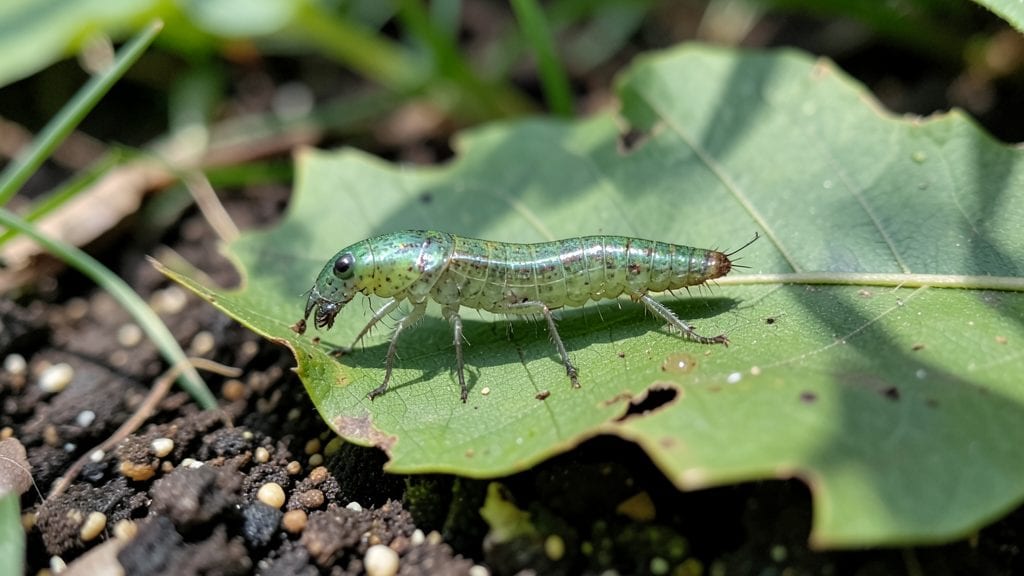
Flipping through these garden bugs images can instantly reveal whether those tiny visitors are helping—or harming—your plants! 🌿 This visual guide shows you exactly what to look for, from the telltale clusters of aphids sucking your roses to the helpful ladybugs patrolling your veggies.
No more guessing whether that beetle is a menace or a meal for your struggling tomatoes.
The key to solving garden bug problems starts with identification—because what you do depends entirely on who’s visiting. Aphids? Blast them off with water. Japanese beetles? Handpick at dawn.
Ladybugs? Leave them alone—they’re your free pest control. I’ve spent years watching these tiny dramas unfold, and once you recognize the players, managing them becomes second nature.
You’ll spot the damage before it spreads, catch infestations early, and even welcome the good guys into your garden ecosystem. Think of this as your field guide to the insect world—no entomology degree required.
The best part? Knowing what’s supposed to be there means you’ll stop spraying everything in sight and start protecting what matters.
Ready to become a bug detective? The images and descriptions here will turn your garden into a clearer, healthier space—where every insect has a role, and you know exactly how to play along. Let’s get started with the visual breakdown you’ve been waiting for.
Underlying Causes Of Garden Bugs
Garden bugs aren’t just random visitors—they’re drawn to your yard for specific reasons, often tied to environmental factors, plant health, or human activity. Understanding why these pests appear helps you address the root of the problem, not just the symptoms.
Below, we break down the most common triggers, from natural ecosystems to unintentional gardener mistakes.
Bugs like aphids, fungus gnats, and slugs thrive in gardens where plants are stressed or overwatered. Here’s why:
- Soft, tender growth: Overwatering creates weak stems and leaves, making them easy targets for chewing insects (e.g., caterpillars, Japanese beetles). Science note: Excess moisture reduces plant defenses like tannins and silica, which deter pests.
- Fungal food sources: Damp soil and foliage attract fungus-loving bugs (e.g., pill bugs, snails). Fungi grow rapidly in moist conditions, providing a buffet for these pests.
- Root damage: Overwatering suffocates roots, attracting root-feeding grubs (e.g., white grubs, wireworms). These grubs seek out oxygen-deprived zones where roots are already compromised.
Actionable fix: Water deeply but infrequently (1–1.5 inches per week) and improve drainage with compost or raised beds. 💡 Pro Tip: Mulch with straw or wood chips to regulate soil moisture and deter slugs.
Leaves, fallen fruit, and organic debris create hiding spots and food sources for bugs. Here’s the breakdown:
- Shelter for overwintering pests: Bugs like earwigs, boxelder bugs, and ladybugs seek out leaf litter and bark to survive cold months. If they’re already in your yard, they’ll return in spring.
- Breeding grounds: Stale mulch, grass clippings, and rotting wood harbor eggs and larvae. For example, Spodoptera moths (tomato hornworm hosts) lay eggs in dense debris.
- Attracting wildlife: Piles of debris draw rodents, birds, and insects that spread pests. A messy garden is like an all-you-can-eat buffet for bugs.
Actionable fix: Clear debris regularly, especially after storms or harvests. Use a 🔥 Pro Tip: "chop-and-drop" method—chop plant waste into small pieces and scatter them (not pile them) to decompose faster.
Garden bugs flourish when their natural predators are missing or when their prey is abundant. Here’s how it plays out:
| Scenario | Example Pests | Why It Happens |
|---|---|---|
| Few predators | Aphids, spider mites, whiteflies | Overuse of broad-spectrum pesticides kills ladybugs, lacewings, and parasitic wasps, which keep pest populations in check. |
| Too much prey | Japanese beetles, squash bugs | Monoculture gardens (e.g., rows of tomatoes or zucchini) provide endless food for specialists like squash bugs, which lay eggs in soil near host plants. |
| Disrupted habitats | Carpenter ants, earwigs | Removing ground covers, rocks, or logs eliminates shelter for predator insects (e.g., ground beetles), allowing pests to dominate. |
Actionable fix: Plant companion flowers (e.g., marigolds, dill, basil) to attract beneficial insects. Avoid chemical pesticides—opt for ✨ Pro Tip: neem oil or insecticidal soap instead.
Sometimes, the problem starts with us! Here’s how everyday gardening habits can accidentally attract pests:
- Over-fertilizing: Nitrogen-heavy fertilizers promote lush, bug-loved foliage (e.g., aphids adore soft new growth). Science note: High nitrogen reduces plant defenses like volatile organic compounds (VOCs) that repel insects.
- Using untreated wood or mulch: Pressure-treated lumber or contaminated mulch can harbor termites, carpenter ants, or even hidden eggs from pests like the Lymantria dispar (gypsy moth).
- Ignoring soil health: Compacted or nutrient-poor soil stresses plants, making them vulnerable. For example, grubs (like those from the Phyllopertha genus) thrive in compacted lawns where roots can’t access oxygen.
- Leaving standing water: Stagnant water in saucers, clogged gutters, or low spots becomes a breeding site for mosquitoes and fungus gnats.
Actionable fix: Test your soil and adjust pH (aim for 6.0–7.0). Use 🌡️ Pro Tip: organic mulch (e.g., cedar or pine) to deter pests naturally, and aerate compacted soil in spring.
By tackling these root causes, you’re not just chasing bugs away—you’re creating a garden that’s unappealing to them in the first place. 🚫🐜 Next, we’ll explore how to spot these pests early using visual guides!
Quick Fixes for Garden Bug Woes
Unwanted critters in your garden can feel like a never-ending battle, but with the right strategies, you can reclaim your green space—without resorting to harsh chemicals. Below, we’ve mapped common garden bug issues to practical, effective solutions, including prevention tips to keep pests at bay for good.
Cause: These sap-sucking pests cluster on leaves, stems, and new growth, leaving behind sticky residue (honeydew) that attracts mold.
How to Fix It: ✅ Blast Them Away 💦
- Spray with water (forceful stream from a hose) to dislodge aphids from plants. Repeat every 3–4 days for severe infestations.
✅ Introduce Beneficial Insects 🐞
- Ladybugs, lacewings, and parasitic wasps love eating aphids. Purchase them online or attract them naturally with dill, fennel, or marigolds.
✅ Neem Oil Spray 🌿
- Mix 1 tsp neem oil + 1 tsp mild soap + 1 quart water, then spray directly on pests (avoid direct sun). Reapply every 5–7 days.
Prevention Tip: 💡 Prune overcrowded plants to improve airflow and reduce hiding spots for aphids.
Cause: These slimy invaders munch on leaves, stems, and even seedlings, leaving behind irregular holes and silvery slime trails.
How to Fix It: 🔥 Set Traps 🍺
- Beer traps work like magic: Bury a shallow dish filled with beer at soil level. Slugs crawl in and drown overnight. Refresh every 2–3 days.
🍳 DIY Copper Barrier ⚡
- Slugs hate copper! Bend a copper wire (or use a store-bought strip) around pots or garden beds. The slight electric charge repels them.
👨🍳 Handpick at Dawn 🌅
- Slugs are most active after rain or at night. Shine a flashlight on them and drop them into soapy water (humane and effective).
Prevention Tip: 🌡️ Mulch with coarse materials (like pine needles or gravel) to deter slugs from hiding near plants.
Cause: These metallic-green beetles chew through leaves, leaving only the veins—devastating for roses, grapes, and beans.
How to Fix It: 🔪 Handpick & Drop 💦
- Fill a bucket with soapy water and shake beetles off plants into it. Do this early morning when they’re sluggish.
🌿 Milky Spore Treatment 🌱
- Apply milky spore powder (a natural bacteria) to the soil. It targets Japanese beetle grubs, reducing future adults by up to 90% over time.
🎯 Plant Traps 🌸
- Grow roses, grapes, or marigolds nearby—beetles will flock to these instead of your veggies. Remove traps weekly to keep populations low.
Prevention Tip: ✨ Avoid over-fertilizing with nitrogen, which attracts beetles.
Cause: These microscopic pests thrive in dry, dusty conditions, spinning webs and sucking plant juices, causing yellowing leaves.
How to Fix It: 💦 Blast with Water 🚿
- Spider mites hate humidity! Spray plants thoroughly with water daily for a week to wash them off.
🌡️ Increase Humidity 🌧️
- Use a hose to mist plants or place trays of water nearby. Mites struggle in damp environments.
💡 Neem Oil or Insecticidal Soap 🌿
- Mix 1 tbsp neem oil + 1 tsp soap per gallon of water and spray both sides of leaves. Repeat every 5 days.
Prevention Tip: 🔥 Keep plants dust-free by wiping leaves with a damp cloth weekly.
Cause: Ants don’t usually harm plants but farm aphids (protecting them in exchange for honeydew). They can also invade homes.
How to Fix It: 🍳 Borax or Diatomaceous Earth ⚡
- Sprinkle food-grade diatomaceous earth (DE) around mounds or mix 1 tbsp borax + 1 cup sugar + 1 cup water into a syrup. Ants carry it back to the colony, eliminating them.
🌿 Natural Repellents 🌱
- Plant mint, cloves, or citrus peels near entry points. Ants dislike these scents.
🚫 Block Entry Points 🏠
- Seal cracks in your home’s foundation and remove food sources (like fallen fruit or pet food).
Prevention Tip: 🎯 Store firewood and compost bins away from your house to discourage ant highways.
- Rotate crops annually to disrupt pest life cycles.
- Plant companion flowers (like nasturtiums or basil) to repel pests naturally.
- Encourage biodiversity—birds, frogs, and ground beetles are your garden’s best pest control!
- Inspect new plants before bringing them home to avoid introducing hitchhiking pests.
By combining quick fixes with long-term prevention, you’ll keep your garden thriving—without the unwanted six-legged guests. 🌿✨
Frequently asked questions
What’s the best way to find high-quality garden bug images for identification?
Start with trusted sources like University of Florida IFAS Extension or USDA Forest Service websites, which offer labeled images of common pests and beneficial insects. For visual guides, try iNaturalist or BugGuide.net—both let you filter by region and include expert-verified photos. Pro tip: Search with keywords like “aphid vs ladybug comparison” to narrow results.
How can I tell if a garden bug is harmful or helpful just by looking?
Look for mouthparts: Chewing bugs (e.g., Japanese beetles, caterpillars) have visible jaws and cause holes in leaves. Piercing/sucking bugs (e.g., aphids, spider mites) leave sticky residue or yellow spots. Beneficial bugs like ladybugs and lacewings have spotted wings or elongated bodies for hunting pests. Always check the plant’s reaction—wilting or discoloration signals trouble.
Why do some garden bug images show insects I’ve never seen in my yard?
Many images include regional variations or life cycle stages (e.g., larvae vs. adults). For example, a tomato hornworm (a caterpillar) might not appear until summer, while its sphinx moth form is rare in gardens. Use seasonal guides to match what you see—spring often brings aphids, while summer attracts beetles. Climate also plays a role: Desert gardens host different pests than rainforest ones.
Can I use garden bug images to create my own pest control chart?
Print and laminate images of pests (e.g., aphids, slugs) alongside their natural predators (e.g., ladybugs, ground beetles). Add arrows showing relationships (e.g., “ladybugs eat aphids”) and include quick-fix icons (like a water droplet for blasting pests). Hang it near your garden as a reference—it’s a great tool for kids or beginners!
What should I do if I can’t identify a garden bug from the images?
First, capture a clear photo (include a coin for scale) and note details like size, color, and damage. Post it on Reddit’s r/whatsthisbug or Facebook Gardening Groups—experts often respond within hours. Avoid pesticides until you know what you’re dealing with, as some “pests” (like praying mantises) are actually helpful. If unsure, contact your local Cooperative Extension Service for free identification.