
Tools
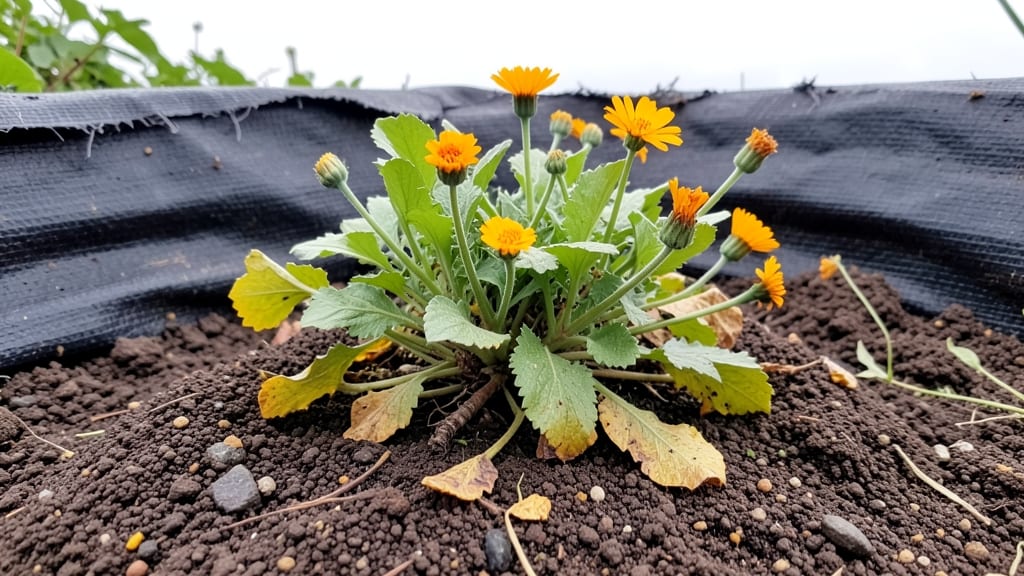
Your garden bed cost will depend heavily on materials and installation approach, starting at just $50 for a basic DIY raised bed made from cedar or composite lumber, while custom in-ground designs with professional installation can exceed $1,500. Material choices like bricks, pavers, or natural stone significantly impact both upfront expenses and long-term maintenance.
Understanding these costs helps you balance quality with budget.
For instance, cedar beds cost around $3-$5 per square foot but require sealing every few years, while brick or stone options may run $10-$25 per square foot but last decades with minimal upkeep. 🔥 The biggest savings come from DIY assembly—skilled labor can add $500-$1,500 to your total, depending on complexity.
Many gardeners start with simple cedar frames (under $200) and upgrade materials later as their gardening goals evolve.
Another key factor is bed size—each additional 4x8-foot section adds $20-$50 in materials alone. If you're working with limited space, a 2x4-foot raised bed might be your most cost-effective entry point, while larger in-ground beds require heavy equipment and professional grading, which quickly escalates costs.
Planning ahead for drainage solutions (like gravel bases) can also prevent expensive repairs down the road.
💡 In This Article
- Key Factors Influencing Garden Bed Material Costs
- DIY vs. Professional Garden Bed Installation Pricing Guide
Key factors influencing garden bed material costs
The material you choose for your garden bed isn't just about aesthetics—it directly impacts your budget, durability, and maintenance workload. Cedar, for example, costs $3-$5 per square foot upfront but requires sealing every 1-2 years to prevent rot, adding $50-$100 in long-term expenses.
Its natural oils make it resistant to insects, but the softwood isn't as durable as stone or brick.
In contrast, composite lumber (made from recycled wood fibers and plastic) runs $6-$10 per square foot but lasts 15-20 years without sealing, making it a smarter long-term investment for humid climates where cedar would degrade faster.
Brick and pavers offer unmatched durability, with costs ranging from $10-$25 per square foot installed. The key difference lies in their installation complexity—bricks require skilled masonry for proper mortar joints, while interlocking pavers allow DIY assembly with minimal tools.
Natural stone like flagstone or bluestone can reach $20-$50 per square foot due to quarrying, cutting, and installation labor. However, these materials resist weathering and pests entirely, making them ideal for high-traffic or perennial garden spaces where replacement costs would be prohibitive over time.
Regional pricing plays a surprising role in material costs. In urban areas, brick and pavers may cost 20-30% more due to delivery fees and higher local labor rates, while rural regions often have cheaper stone options because of local quarries.
For instance, a 4x8-foot cedar bed might cost $120 in the Midwest but $180 in a coastal city where cedar is scarcer. Always check for regional lumber mills or salvage yards—some offer 50% discounts on reclaimed bricks or stone that would otherwise go to landfills.
Consider these trade-offs when selecting materials:
- Low-cost options: Cedar or pine frames ($3-$6/sq ft) are budget-friendly but need annual maintenance and replace every 5-7 years in wet climates.
- Mid-range durability: Composite lumber ($6-$10/sq ft) balances cost and longevity, ideal for gardeners who want low-maintenance without stone prices.
- Premium longevity: Brick/stone ($10-$50/sq ft) eliminates replacement costs but requires professional installation for proper drainage and structural integrity.
Here's what most people overlook: The foundation matters just as much as the frame.
A simple cedar bed on untreated soil may develop root rot within 2-3 years, while adding a 4-inch gravel base (costing $50-$100 extra) extends its lifespan by 50%+. This small investment prevents costly replacements and keeps soil healthy by improving drainage—critical for root vegetables like carrots or potatoes that rot in soggy conditions.
Pro tip: If you're on a tight budget, start with a 2x4-foot cedar frame ($60-$80) and upgrade materials as your garden grows. Many gardeners begin with temporary beds and later transition to brick or stone borders once they've perfected their planting layout.
This phased approach lets you test what works without overcommitting upfront.
Remember, the cheapest material today may cost more tomorrow in repairs or replacements. For example, untreated pine ($2/sq ft) might seem like a steal, but its 3-5 year lifespan means you'll pay $150-$250 in replacements over a decade—more than investing in cedar or composite from the start. 💫