
Tools
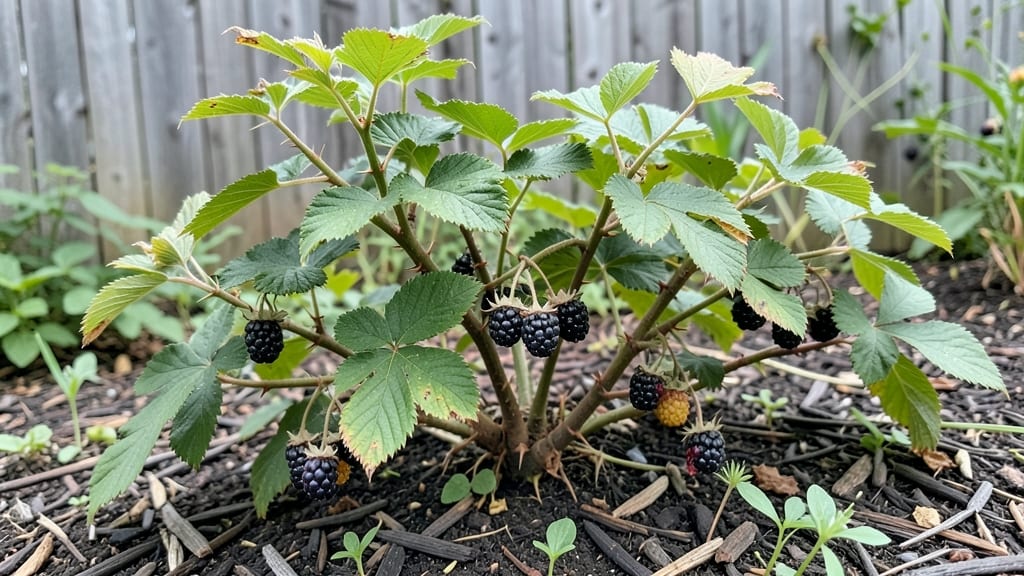
Growing blackberries in your garden delivers sweet, juicy fruit that beats store-bought every time—and you don’t need acres to do it. I’ve turned a 6-foot corner of my yard into a productive patch that gives me berries from early summer through fall, with the right variety and a little planning.
The key starts with choosing between thornless (easier to handle) and traditional (hardier) types, then picking a spot where the plants can spread without fighting for space.
Blackberries thrive in full sun and well-draining soil, but they’re forgiving once established. My first mistake was planting in heavy clay—now I mix in compost and mulch to keep roots happy.
You’ll need 5-6 feet of space per plant (or less for dwarf varieties), and a sturdy trellis or fence to support those heavy canes. The payoff? Less weeding, better airflow, and berries that ripen faster than wild patches.
Once planted, pruning in late winter is the secret to a bountiful harvest. Cut back old canes to the ground and shape new growth early, and you’ll avoid tangled messes by summer.
Water deeply once a week during dry spells, and fertilize lightly in spring—overfeeding leads to leafy growth instead of fruit. Within 2-3 years, you’ll have a self-sustaining patch that rewards patience with pounds of berries.
Even small gardens can fit blackberries—just choose compact varieties like ‘Arapaho’ or ‘Natchez’ for thornless options. The biggest challenge? Birds and wildlife eyeing your crop, but netting solves that fast. Start small, and you’ll be canning, freezing, or snacking on fresh berries before you know it.
📚 In This Guide
- What you need
- Instructions
- Tips and common mistakes
- Wrapping up and next steps
What you need
- ● Blackberry plants: 2–3 thornless or semi-thornless varieties (e.g., 'Triple Crown' or 'Natchez') for easier maintenance. Buy bare-root or potted plants from a nursery.
- ● Garden soil: Well-draining, slightly acidic soil (pH 5.5–6.5). Amend with compost if your soil is heavy or clay-like.
- ● Fertilizer: Balanced organic fertilizer (10-10-10) or a slow-release granular fertilizer for planting.
- ● Mulch: 2–3 inches of organic mulch (straw, wood chips, or pine needles) to retain moisture and suppress weeds.
- ● Support system: T-posts or sturdy stakes (4–6 ft tall, 2–3 per plant).
- ● Garden twine or blackberry trellis wire (12–14 gauge) for training canes.
- ● Pruners: Sharp, clean bypass pruners (sterilize with rubbing alcohol between cuts).
- ● Gloves: Heavy-duty gardening gloves (thornless varieties still need protection!).
- ● Watering can or hose: With a gentle spray nozzle for deep watering (1–1.5 inches per week).
- ● Soil pH test kit to check acidity levels.
- ● Epsom salt (for magnesium boost, especially in sandy soils).
- ● Bird netting (to protect ripe berries from pests).
- ● Drip irrigation system for automated watering.
- ● Compost tea or liquid fertilizer for a nutrient boost during fruiting season.
Instructions for planting and maintaining blackberry bushes in your garden
Here’s how to establish thriving blackberry bushes that reward you with fruit for years—even in tight spaces.
Choose the Right Location and Prepare the Soil
Blackberries thrive in full sun, so select a spot that receives at least 6-8 hours of direct sunlight daily. Avoid low-lying areas where cold air settles, as blackberries are sensitive to frost damage. If your garden soil is heavy clay or sandy, amend it with 2-3 inches of compost mixed into the top 12 inches of soil to improve drainage and fertility. Blackberries prefer slightly acidic soil with a pH between 5.5 and 6.5, so test your soil and adjust with sulfur if needed.
Dig a hole twice as wide as the root ball but only as deep as the container the plant came in. This encourages roots to spread horizontally rather than settling too deeply. Gently loosen the roots of container-grown plants before placing them in the hole to prevent circling, which can strangle growth. Water the plant deeply after planting to settle the soil and eliminate air pockets.
Plant and Support the Bushes for Optimal Growth
Space blackberry bushes 4-6 feet apart in rows 8-10 feet apart to allow for airflow and easy maintenance. If you’re growing thornless varieties, you can plant them closer—3-4 feet apart—but be prepared for more frequent pruning. Install T-posts or sturdy stakes at planting time, driving them 2 feet into the ground on either side of the bush. Attach 4-5 feet of wire or strong twine horizontally between the posts to create a support system for canes as they grow.
Blackberries are vigorous growers, and their canes can weigh down branches quickly. Weave the main canes through the support wire as they emerge, training them upward rather than letting them sprawl. This not only keeps fruit off the ground but also reduces disease risk by improving airflow. Mulch around the base of the plant with 2-3 inches of organic mulch, like wood chips or straw, to retain moisture and suppress weeds while keeping roots cool.
Water and Fertilize for Strong, Productive Canes
Water blackberry bushes deeply once a week, providing 1-1.5 inches of water directly at the base. Avoid overhead watering, which can spread fungal diseases like botrytis. The key is consistency—blackberries hate drought stress, which leads to poor fruit set and weak canes. You’ll know you’re watering correctly when the soil feels moist 2-3 inches below the surface but isn’t soggy. Drip irrigation is ideal for maintaining even moisture without wetting foliage.
Fertilize in early spring with a balanced, slow-release fertilizer (10-10-10) at a rate of 1 pound per 100 square feet of garden. Avoid high-nitrogen fertilizers, which promote leafy growth at the expense of fruit. Blackberries also benefit from a secondary feeding in late spring with a low-nitrogen, high-phosphorus fertilizer (5-10-10) to support flowering and fruiting. Stop fertilizing after harvest to encourage dormancy and prepare for winter.
Prune for Health and Abundant Fruit
Pruning is the secret to a productive blackberry bush. In late winter or early spring, before new growth begins, remove all dead, diseased, or weak canes at the base. These canes won’t produce fruit and can harbor pests. Next, cut back any canes that fruited the previous year—they’re done producing and will only compete with new growth. Finally, thin the remaining canes to 6-8 of the strongest, most vigorous ones, cutting the rest back to the ground. This ensures energy goes to fewer, healthier canes.
During the growing season, keep an eye out for suckers—shoot-like growths that emerge from the base of the plant. These are non-fruiting and should be removed promptly to redirect the plant’s energy. After harvest, prune any canes that have become overcrowded or are crossing each other, as this improves airflow and reduces disease risk. Always use clean, sharp pruners to make cuts just above a bud or branch junction to encourage proper healing.
Protect and Maintain for Year-Round Success
Blackberries are susceptible to birds, which love the ripe fruit. Cover bushes with fine netting once the berries begin to ripen to protect your harvest. Check the netting weekly to ensure it hasn’t torn or shifted. In late fall, after the first hard frost, apply a 2-3 inch layer of mulch around the base of the plant to insulate roots and protect them from freezing temperatures. This also helps prevent soil heaving, which can damage roots in freeze-thaw cycles.
Monitor for common pests like spider mites, aphids, and Japanese beetles, and treat infestations early with neem oil or insecticidal soap. For fungal diseases like anthracnose or rust, remove infected canes immediately and apply a copper fungicide as a preventive measure. With proper care, your blackberry bushes will produce fruit for 5-10 years, making them a low-maintenance but high-reward addition to your garden.
Tips & tricks for perfect blackberry bushes in your garden
Here's what nobody tells you about growing blackberries that will make all the difference between a struggling patch and a bountiful harvest.
Sunlight Strategy: The 6-8 hours of direct sunlight requirement is non-negotiable, but here's the secret: position your bushes to capture morning sun first. Eastern exposure gives them gradual warmth that prevents sunburn on tender new growth. If your garden has afternoon shade, that's actually preferable in hot climates—it helps berries stay firmer and reduces stress on the plants during peak heat.
Root Development Hack: When planting, focus on creating a wide planting hole rather than a deep one. The roots of blackberry bushes naturally spread horizontally, not downward. By making the hole twice as wide as the root ball but only as deep as the container, you're encouraging that natural growth pattern. This simple adjustment can double your plant's root system in the first growing season, leading to stronger canes and more fruit.
Pruning Precision: In Step 4, when thinning canes to 6-8 of the strongest, look for canes that are at least pencil-thick with smooth bark. Avoid keeping canes with rough bark or excessive thorns—they're often weaker producers. Also, make your cuts just above a bud or branch junction to encourage proper healing. I've seen gardeners make cuts too close to the trunk, which can lead to disease entry points and poor regrowth.
Winter Protection Insight: That 2-3 inch layer of mulch in late fall isn't just about insulation—it's also about preventing soil heaving. When soil freezes and thaws repeatedly, it can push roots up out of the ground, damaging them. The mulch acts as a buffer, keeping the ground temperature more stable. For extra protection in extremely cold climates, consider adding a layer of straw or leaves on top of the mulch before the first hard frost.
Pro Tips for Blackberry In Garden
- Here's what nobody tells you about growing blackberries that will make all the difference between a struggling patch and a bountiful harvest.
- Sunlight Strategy: The 6-8 hours of direct sunlight requirement is non-negotiable, but here's the secret: position your bushes to capture morning sun first.
- Root Development Hack: When planting, focus on creating a wide planting hole rather than a deep one.
Frequently asked questions
Got questions about growing blackberries in your garden? You’re not alone! Here are some of the most common queries—plus straightforward answers to help you thrive.
How long does it take for a blackberry bush to produce fruit?
A newly planted blackberry bush typically takes 1–2 years to bear fruit, depending on the variety and growing conditions. Primocane-bearing types (like ‘Apache’ or ‘Natchez’) may fruit on new growth the first year, while floricane varieties (like ‘Triple Crown’) usually wait until the second season. Patience pays off—healthy plants reward you with berries for decades!
When is the best time to plant blackberry bushes?
The ideal window is late winter or early spring (before buds swell) or fall (4–6 weeks before the first frost). Avoid planting in summer heat, which stresses roots. If you’re in a mild climate, fall planting lets roots establish before winter. Pro tip: Soak bare-root plants in water for 2–4 hours before planting to reduce transplant shock!
Why aren’t my blackberry bushes fruiting?
Several factors could be at play:
- Age: Young plants (under 2 years) focus on root/leaf growth first.
- Variety mismatch: Check if your bush is primocane (fruits on new canes) or floricane (fruits on old canes).
- Pruning errors: Over-pruning removes fruiting wood. Learn the right technique for your type.
- Nutrient deficiency: Yellow leaves? Test soil for nitrogen, phosphorus, or potassium.
Give your bushes time, adjust care, and consult a local extension office for tailored advice!
Can I grow blackberries in containers or small spaces?
Dwarf or semi-dwarf varieties like ‘Arapaho’ or ‘Chester’ thrive in 5–10 gallon containers with well-draining soil. Use a trellis or cage to support canes, and place pots in full sun (6+ hours/day). Containers dry out faster—water deeply 2–3 times weekly in summer. Just ensure the pot has drainage holes to prevent root rot!
Do blackberry bushes need bees for pollination?
Blackberries are self-pollinating, meaning they don’t require bees to produce fruit. However, bees and other pollinators (like hummingbirds!) can boost yield by transferring pollen between flowers. To attract them, plant companion flowers like borage or lavender nearby. Plus, happy pollinators = a healthier garden ecosystem!
How do I extend the blackberry harvest season?
For a longer harvest, plant a mix of primocane (summer-fruiting) and floricane (fall-fruiting) varieties. Use row covers in early spring to protect flowers from frost, or choose everbearing types like ‘Ouachita.’ Prune strategically to encourage new growth, and mulch heavily to regulate soil temperature. With these tweaks, you might enjoy berries from June through October!
Wrapping up and next steps
Growing blackberry bushes in your garden is a rewarding way to enjoy fresh, delicious fruit year-round—even in small spaces! 🌱 With the right variety, soil, and care, you’ll harvest juicy berries for pies, snacks, or sharing with neighbors. Plus, their thornless options make them easy to maintain.
Ready to get started? Pick a spot, prep the soil, and plant your bushes today! Before you know it, you’ll be savoring homegrown blackberries straight from your garden. Happy growing! 🍇✨