
Container Gardens
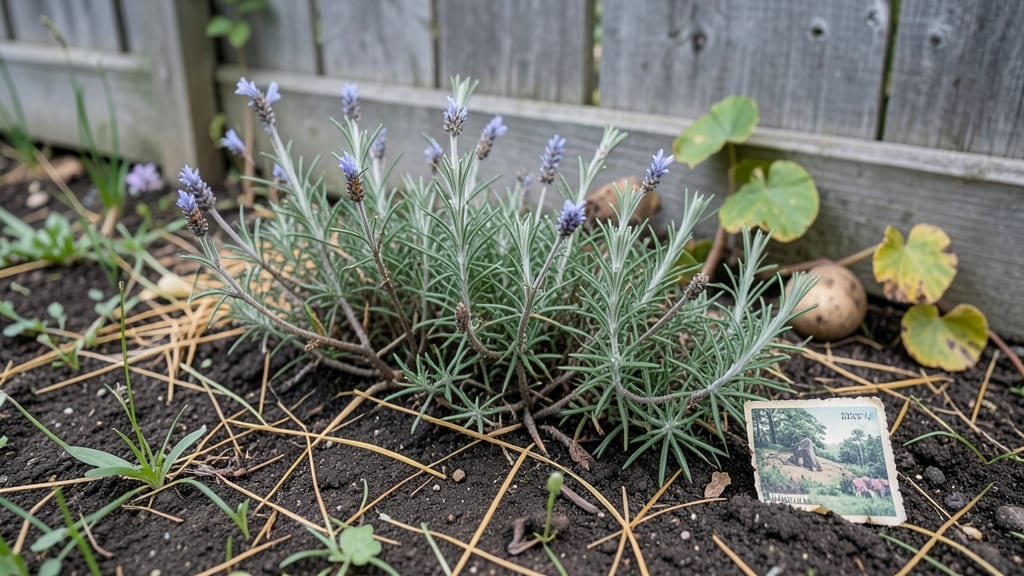
The history of Butchart Gardens traces its origins to a limestone quarry opened in 1904, which was later transformed by Robert and Jennie Butchart into a stunning floral display blending British-inspired landscapes with innovative horticulture. Today, the gardens cover 55 acres and draw over a million visitors yearly as Canada’s most celebrated botanical landmark.
The story of Butchart Gardens is one of industrial ingenuity meeting horticultural passion. 🌿 What began as a coal mine in Victoria, British Columbia, was repurposed after the quarry flooded, creating natural pools that Jennie Butchart filled with exotic plants.
Their visionary approach—combining European garden styles with Pacific Northwest flora—turned the site into a living work of art.
Beyond its beauty, the gardens reflect Canadian history, from wartime contributions to modern sustainability efforts. Visitors today can explore the original quarry pools, now home to vibrant aquatic gardens, while learning how the Butcharts' legacy continues through conservation programs.
The site's evolution from industrial eyesore to global attraction proves how creativity can transform even the most unlikely spaces.
💡 In This Article
- From Coal Mine to Botanical Masterpiece
- Key Historical Landmarks and Visitor Tips
From coal mine to botanical masterpiece
The transformation of Butchart Gardens began with a 1904 limestone quarry that Robert Butchart opened to supply cement for Victoria's booming construction. When the quarry flooded, creating a series of deep, crystal-clear pools, Jennie Butchart saw an opportunity rather than a setback.
She began importing European plants like rhododendrons and azaleas—species that thrived in the cool, moist climate—while experimenting with native Pacific Northwest flora to create a hybrid garden style. 🌸 The key was understanding how these plants' root systems adapted to the region's 600mm annual rainfall, which allowed them to flourish in the limestone-rich soil.
Jennie's early experiments with waterfalls and tunnels weren't just decorative—they were engineering marvels. The 200-foot Sunken Garden, created in 1904, required precise grading to manage water flow while supporting plant growth. She designed cascading water features to aerate the pools, preventing stagnation that could harm delicate aquatic plants.
The Japanese Garden, added in 1913, featured a 12-foot waterfall and a 300-foot-long koi pond, demonstrating her ability to blend different horticultural traditions into a cohesive vision.
By the 1920s, the site had expanded to 10 acres with themed gardens like the Italian and Rose Gardens, each requiring specialized soil treatments.
Jennie's approach to climate adaptation was revolutionary—she used geothermal heating in greenhouses to extend growing seasons and introduced acid-loving plants to thrive in the region's naturally acidic soils.
The 1930s Depression-era expansion saw the creation of the Japanese Tea Garden, where she incorporated 1,000-year-old bonsai techniques to shape native trees into miniature forms.
The botanical challenges were immense: rare species like the Victoria amazonica water lily needed 72°F water temperatures to bloom, while tulips required precise chilling periods of 12-16 weeks below 40°F.
Jennie's solution was a rotating crop system where plants were moved between greenhouses and outdoor beds based on seasonal needs. This method became a model for commercial nurseries in North America, proving that even unpredictable Pacific Northwest weather could be harnessed for floral displays.
What most visitors don't realize is how the gardens' original quarry infrastructure became their greatest asset. The limestone walls provided natural irrigation channels, while the underground tunnels allowed for year-round plant transport.
Jennie's use of reflective pools wasn't just for aesthetics—it created microclimates that extended the growing season by 4-6 weeks in cooler months. The 1929 Japanese Tea Garden alone required 30,000 cubic feet of imported soil to create the proper drainage system, demonstrating the scale of her engineering vision.
The gardens' growth wasn't just about aesthetics—it was about sustainability from the start. Jennie implemented composting systems using garden waste and developed rainwater capture methods that are still used today.
Her 1930s experiments with native pollinators created habitats that supported over 200 species of bees and butterflies, making Butchart one of North America's earliest ecological gardens. This balance between beauty and function remains the gardens' defining characteristic. 🌿