
Watering
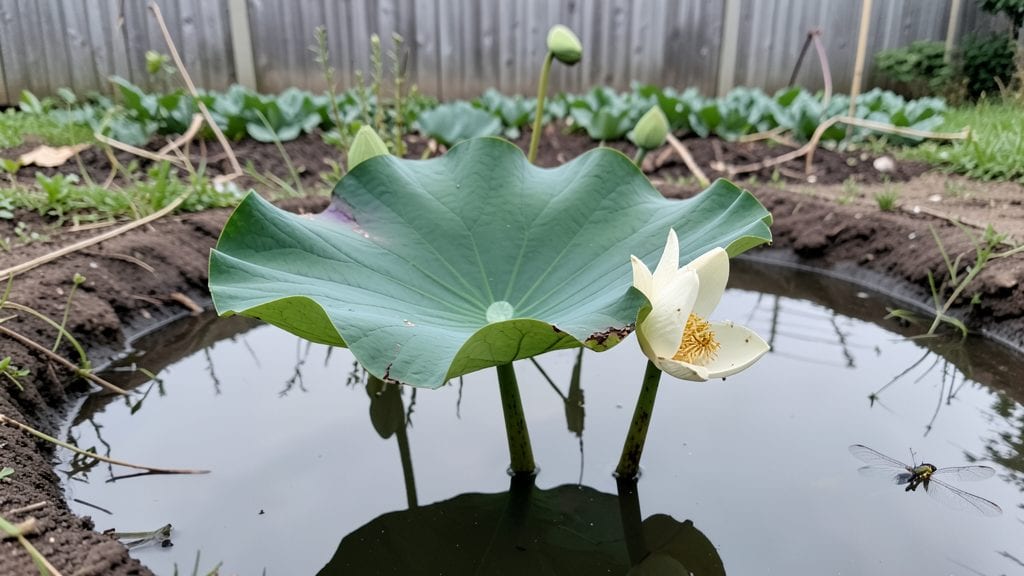
Creating a water lily garden transforms any pond into a tranquil oasis. 🌿 I remember the first time I watched my hardy yellow lilies unfurl their petals at dawn—the way they turned my backyard water feature into a living painting.
The secret isn't just the plants, but how you arrange them with companion aquatic foliage and depth-sensitive varieties.
Start with a pond at least 18 inches deep—that's the minimum for most water lilies to thrive. You'll need 3-5 plants per 100 square feet of surface area, spaced so their leaves just touch.
Pair them with water hyacinths or lotus for vertical contrast, and add submerged oxygenators like anacharis to keep the water clean. The right balance creates that "wild but intentional" look that feels effortless.
By late summer, your pond will be a riot of color and texture—velvety pads floating like nature's dinner plates, blooms opening in the morning sun.
The fragrance alone makes it worth the effort, but the real magic happens when dragonflies start patrolling the surface and frogs claim the edges as their lounge. Maintenance is simple: trim spent blooms, remove debris, and top off water as needed.
Works for any pond size, from a small koi pond to a large backyard lake. The key is matching plant types to your climate zone and starting small—you can always expand next season. Here's how to make it happen without the guesswork!"
📚 In This Guide
- What you need
- Instructions
- Tips and common mistakes
- Wrapping up and next steps
What you need
- ● Water lilies: 3–5 hardy varieties (e.g., Nymphaea spp.)—choose based on your pond’s size and sunlight exposure.
- ● Pond soil: 10–15 lbs of nutrient-rich, clay-heavy soil for planting (or use pre-mixed aquatic soil).
- ● Pots: 2–3 heavy-duty plastic or terracotta pots (10–12 inches in diameter) with drainage holes.
- ● Gravel: Small pebbles (5–10 lbs) to weigh down pots and anchor plants.
- ● Fertilizer: Slow-release aquatic plant tabs (e.g., Fish Empt) or liquid fertilizer for blooms.
- ○ Pond netting: Optional but helpful for protecting lilies from pests or debris.
- ● Floating plant mats: For extra coverage and shade (e.g., Water Hyacinth or Frogbit).
- ● Decorative rocks: To enhance aesthetics around the pond’s edge.
- ● Pond thermometer: To monitor water temperature for optimal lily growth.
- ● Water testing kit: Ensures pH (6.0–7.5) and nutrient levels are ideal.
Step-by-Step guide to creating a thriving water lily garden
Here's how to transform your pond into a breathtaking oasis with these easy steps.
🪴 Step 1: Choose and Prepare the Right Pond Space
Water lilies need at least 18 inches of water depth for their roots to establish properly. Measure your pond's depth and select varieties accordingly—dwarf lilies thrive in 12-18 inches, while tropical varieties prefer 24+ inches. Clear any debris from the planting area to give roots room to spread.
I always test the water first—pH between 6.0-7.5 is ideal. If your pond is new, add a pond starter to establish beneficial bacteria before planting. A gentle slope in the planting area helps roots anchor naturally, reducing the risk of floating away.
🌱 Step 2: Plant Water Lily Tubs at the Correct Depth
Place the water lily tubs in the pond at the depth recommended for your variety. Most tubs come with a weighted base—ensure it's secure so the plant doesn't drift. I like to position them 1-2 feet apart to allow room for growth without overcrowding.
Fill the tub with the provided planting medium (usually a mix of peat moss and perlite) up to 1 inch below the rim. This keeps the roots moist but prevents them from drying out. Gently press the rhizome into the medium, ensuring the growing tip faces upward—this is where new shoots will emerge.
☀️ Step 3: Provide Sunlight and Monitor Growth
Water lilies need 6-8 hours of direct sunlight daily to thrive. If your pond is partially shaded, choose shade-tolerant varieties like Nymphaea 'Alba' or Nymphaea 'Helvola'. You'll see the first leaves emerge within 2-4 weeks, signaling successful planting.
Watch for first true blooms in 6-8 weeks during the growing season. These flowers float on the water's surface, adding vibrant color and attracting pollinators. If blooms fade, simply remove them to redirect energy to new growth—no pruning is needed.
💧 Step 4: Maintain Water Quality and Fertility
Water lilies absorb excess nutrients, which helps keep your pond balanced. However, they still need occasional feeding. Add a slow-release pond fertilizer tablet every 4-6 weeks during the growing season to support lush foliage and abundant blooms.
Keep an eye on water clarity—if it becomes murky, reduce feeding or add a pond clarifier. I also recommend partial water changes every 2-4 weeks to prevent stagnation. Healthy lilies will have vibrant green leaves and a strong root system visible just below the water's surface.
✂️ Step 5: Divide and Expand Your Garden
Once established, water lilies multiply quickly. In late summer or early fall, divide crowded tubs by carefully separating the rhizomes. Replant the divisions in new tubs or share them with fellow gardeners—this keeps your pond looking full without overcrowding.
Here's the thing—water lilies are low-maintenance once established, but they reward patience. By next season, your pond will be a stunning display of floating beauty, complete with fragrant blooms and serene greenery. Enjoy the process!
Tips & tricks for perfect water lily garden
Creating a thriving water lily garden takes patience, but these pro tips will help you avoid common pitfalls and maximize your pond's beauty.
Depth is Everything: The 18-inch minimum depth in Step 1 isn't just a suggestion—it's crucial for root health. If your pond is shallower, consider adding a pond liner or creating a deeper planting area using waterproof containers. I've seen water lilies struggle in less than 12 inches, so measure carefully before planting.
Sunlight Strategy: Those 6-8 hours of sunlight in Step 3 are non-negotiable, but here's what I've learned: morning sun is gentler than afternoon heat. Position your tubs to catch morning rays first, especially in hot climates. If you notice yellowing leaves, it might be too much direct sun—try moving tubs to slightly deeper water or providing partial shade with floating plants.
Root Care Secret: When filling tubs in Step 2, don't pack the planting medium too tightly. The 1-inch below the rim guideline gives roots room to breathe and absorb nutrients. I like to use my fingers to gently press the rhizome—it should feel secure but not crushed. Over-packing can lead to rot, while loose medium may cause drifting.
Fertilizer Timing: The 4-6 week feeding schedule in Step 4 works best when timed with new growth. I fertilize right after I see fresh leaves emerge, usually in early spring. Too much fertilizer too soon can burn tender new shoots, while waiting too long may result in sparse blooms. Think of it like feeding a picky eater—small, regular meals work best.
Pro Tips for Water Lily Garden
- Creating a thriving water lily garden takes patience, but these pro tips will help you avoid common pitfalls and maximize your pond's beauty.
- Depth is Everything: The 18-inch minimum depth in Step 1 isn't just a suggestion—it's crucial for root health.
- Sunlight Strategy: Those 6-8 hours of sunlight in Step 3 are non-negotiable, but here's what I've learned: morning sun is gentler than afternoon heat.
Frequently asked questions
Got questions about creating your dream water lily garden? You’re not alone! Here are some of the most common queries—and their straightforward answers—to help you dive in with confidence.
How deep should my pond be for water lilies?
Most water lilies thrive in 12–18 inches of water, but tropical varieties (like Nymphaea lotus) may need 2–3 feet. Check the plant tag for specifics—deeper water keeps roots cool, while shallower ponds work for hardy types. Pro tip: Use a pond liner or preformed liner to customize depth easily!
When is the best time to plant water lilies?
Spring (after the last frost) or early summer is ideal—May–June in most U.S. zones. Avoid planting in fall, as lilies need time to establish roots before winter. If you’re in a warm climate, late winter (February–March) works too. Container-grown lilies can be planted year-round in mild areas!
How often should I fertilize water lilies?
Feed every 4–6 weeks during the growing season (spring–fall) with a slow-release aquatic fertilizer or liquid pond tabs. Overfeeding can cause algae blooms! Skip fertilizing in winter—lilies rest then. Look for signs like yellowing leaves to adjust your schedule.
Will water lilies attract pests like frogs or mosquitoes?
Water lilies encourage beneficial wildlife, like frogs and dragonflies (which eat mosquitoes!). However, stagnant water can breed pests, so ensure proper filtration and circulation. A small fountain or aerator keeps water moving and deters mosquitoes. Healthy lilies = happy ecosystem!
Can I grow water lilies in containers instead of a pond?
Use a 10–15 gallon container with drainage holes and a liner (like pond fabric). Place it in a shallow pond or large tub with 12+ inches of water. Container lilies are perfect for balconies or small yards. Just rotate them occasionally for even growth!
Why are my water lilies’ leaves turning yellow?
Yellowing leaves often signal nutrient deficiency, poor water quality, or root rot. Check for:
- Low light? Move to sunnier spot.
- Cloudy water? Test pH (ideal: 6.5–7.5) and add beneficial bacteria.
- Mushy stems? Reduce water depth or improve drainage.
Wrapping up and next steps
A water lily garden isn’t just a splash of beauty—it’s a serene oasis that transforms your pond into a tranquil retreat. 🌸 From selecting the right varieties to mastering care tips, every step brings you closer to a lush, floating paradise.
Whether you're a beginner or a seasoned gardener, the rewards are endless: vibrant blooms, cleaner water, and a peaceful sanctuary just steps from your door.
Ready to dive in? Start small—pick one or two water lilies, gather your supplies, and let nature do the rest. Your pond’s elegance awaits! 💦