
Tools
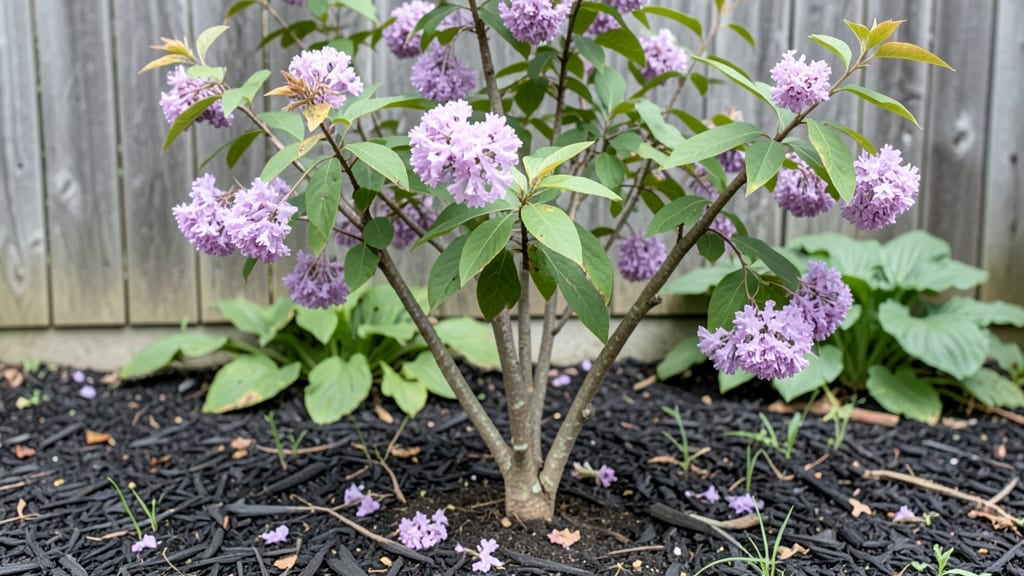
Your crepe myrtle garden could be the fragrant, colorful centerpiece of your outdoor space—if you arrange them right. ✨ I’ve designed privacy screens, cottage garden borders, and even small-space focal points using these showstopper trees, and the results are always shockingly lush.
These trees thrive in almost any design style, from wild cottage gardens to structured formal landscapes. Pair them with lavender for a drought-resistant border or hydrangeas for a soft, romantic feel. Their peeling bark adds winter interest, and the blooms attract hummingbirds all season long.
You’ll create a garden that smells like summer even in winter, with season-long color that outshines most annuals. The best part? Crepe myrtles grow fast—6-12 feet in a single season—so your privacy screen or garden statement happens quickly.
Works for sunny yards, small patios, or large landscapes—just adjust spacing and companion plants. Let’s make your garden the envy of the neighborhood with these versatile trees!
📚 In This Guide
- What you need
- Instructions
- Tips and common mistakes
- Wrapping up and next steps
What you need
- ● Crepe myrtle plants: 3–5 mature trees (3–6 ft tall) or 10–15 young plants (1–2 ft tall) for a dense screen. Choose varieties like Lagerstroemia indica (dwarf, semi-dwarf, or standard sizes).
- ● High-quality garden soil: 1–2 cubic yards (for amending existing soil) or potting mix (for container planting).
- ● Organic mulch: 2–3 bags (pine straw, wood chips, or shredded bark) to retain moisture and suppress weeds.
- ● Slow-release fertilizer: 5–10 lbs (10-10-10 or 12-4-8 blend) for planting or early growth.
- ● Pruning shears: 1 pair (bypass pruners, 6–8 inch blades) for shaping and maintenance.
- ● Shovel: 1 round-point or digging shovel for planting holes (12–18 inches wide/deep per plant).
- ● Garden trowel: 1 for transplanting smaller plants or amending soil.
- ● Wheelbarrow: 1 (2–3 cubic feet) for hauling soil, mulch, or tools.
- ● Measuring tape: 1 (25 ft) to space plants 6–10 ft apart (depending on variety).
- ● Watering can or hose: With adjustable nozzle for gentle watering.
- ● Gloves: 1 pair (heavy-duty for digging, lightweight for pruning).
- ○ Stakes & twine (optional): For supporting young trees during establishment.
- ● Sunlight: Full sun (6+ hours daily) for optimal blooms and growth.
- ● Well-draining soil: Crepe myrtles hate soggy roots! Amend clay soil with compost or sand if needed.
- ● Space: Minimum 6 ft between dwarf varieties, 10–15 ft for standard trees.
- ● Water source: Nearby for consistent watering (deep soak 1–2x weekly for the first year).
Step-by-Step instructions for planting a fragrant crepe myrtle privacy screen
Here’s how to create a lush, fragrant barrier that thrives for decades with minimal fuss.
🪴 Step 1: Choose the Perfect Planting Locations
Crepe myrtles need full sun—at least 6 hours daily—so scout your property for the sunniest spots. Mark where you’ll plant each of your 4 trees, spacing them 10-15 feet apart for mature growth. Avoid low-lying areas where water pools, as soggy roots invite rot.
Dig a hole twice as wide as the root ball but only as deep—crepe myrtles hate being buried too deep, which can strangle the trunk. Loosen the sides of the hole with a shovel to help roots spread easily. If your soil is heavy clay, amend the backfill with 2-3 inches of compost to improve drainage.
🌱 Step 2: Plant with Care and Support
Gently remove each tree from its container and tease the roots outward if they’re circling. Place the root ball in the hole so the top sits 1-2 inches above ground level—this prevents water from pooling around the trunk. Fill the hole halfway with native soil, then water deeply to settle it.
Add a 3-foot tall stake next to each tree and tie the trunk loosely with soft tree ties (never wire or anything that can cut into the bark). Backfill the rest of the hole, mounding soil slightly at the base to encourage outward root growth. Water again until the soil is thoroughly moist but not waterlogged.
☀️ Step 3: Mulch and Water for Establishment
Spread 3 inches of mulch in a ring around each tree, keeping it 3 inches away from the trunk to prevent rot. Use organic mulch like shredded bark or pine straw—it breaks down slowly and improves soil over time. Avoid thick layers, which smother roots and trap too much moisture.
Water deeply 2-3 times per week for the first 6-8 weeks, ensuring the soil stays consistently moist but not soggy. You’ll know it’s right when water drains through 6-8 inches deep. After establishment, reduce to 1 deep watering per week unless you’re in extreme drought.
✂️ Step 4: Prune for Shape and Health
Wait until late winter or early spring before your tree’s first flush of leaves to prune. Remove any dead, diseased, or crossing branches first—these can spread problems or weaken the tree. Then, shape the canopy by cutting back up to 25% of the previous year’s growth to encourage bushier blooms.
Avoid "crepe murder" (over-pruning)—this practice weakens trees and reduces flowering. Instead, focus on opening the center for airflow and removing suckers at the base. You’ll see fuller blooms and stronger growth within a season if you prune correctly.
🌿 Step 5: Maintain for Long-Term Beauty
Fertilize lightly in early spring with a balanced, slow-release fertilizer (10-10-10) if your soil is poor. Apply it 6 inches away from the trunk and water it in immediately. Avoid high-nitrogen fertilizers—they promote leafy growth at the expense of flowers.
Monitor for pests like aphids or scale, which can weaken young trees. Spray with neem oil if you spot them, but most crepe myrtles are tough and handle pests well. Enjoy your fragrant, low-maintenance screen—it’ll reward you with summer-long blooms and year-round interest.
Tips & tricks for perfect crepe myrtle planting
Here's what I've learned from years of planting these fragrant beauties—and how to avoid the mistakes that can turn your privacy screen into a disappointment.
Sunlight Secret: That 6 hours of full sun is non-negotiable for crepe myrtles. I've seen too many gardeners plant them in partial shade, only to watch the blooms fade and growth slow dramatically. If your yard has areas with less than 6 hours, consider adding a second row of sun-loving companions like butterfly bushes to create a layered privacy effect. The key is observing your yard's light patterns throughout the day—morning sun alone won't cut it.
Root Ball Strategy: When teasing those roots in Step 2, be gentle but thorough. I've made the mistake of being too rough, which can actually damage the delicate root structure. The goal is to create a loose, natural shape that encourages outward growth. Pro tip: If you notice roots circling tightly, use your fingers to carefully separate them—this prevents girdling as the tree matures. Also, that 1-2 inch elevation above ground level is crucial; I've seen many gardeners plant too deep, which leads to trunk rot over time.
Watering Wisdom: The 6-8 week establishment period is when your crepe myrtles are most vulnerable. I've learned that consistency is key—watering 2-3 times per week means deep, thorough watering each time, not just a quick sprinkle. To check if you're doing it right, stick a screwdriver into the soil; it should penetrate easily 6-8 inches deep. After that initial period, resist the urge to overwater—crepe myrtles are surprisingly drought-tolerant once established.
Pruning Precision: That late winter/early spring timing for pruning is critical because it allows the tree to heal before summer's heat stress. I've seen many gardeners prune too late in spring, which can actually reduce flowering. When shaping the canopy, focus on creating an open center that allows sunlight to reach all parts of the tree. This not only encourages more blooms but also prevents those pesky fungal issues that thrive in dense, shaded foliage. And remember, those soft tree ties should be checked every few months—they can tighten as the tree grows.
Pro Tips for Crepe Myrtle Garden
- Here's what I've learned from years of planting these fragrant beauties—and how to avoid the mistakes that can turn your privacy screen into a disappointment.
- Sunlight Secret: That 6 hours of full sun is non-negotiable for crepe myrtles.
- Root Ball Strategy: When teasing those roots in Step 2, be gentle but thorough.
Frequently asked questions
about crepe myrtles—because every gardener deserves a little clarity!How fast do crepe myrtles grow, and how soon will I see blooms?
Crepe myrtles are fast growers—expect 12–24 inches per year! Most mature trees (5–10 feet tall) bloom in their second or third year, while dwarf varieties may take a year. Patience pays off with summer-to-fall blooms that last weeks longer than most shrubs.
When is the best time to plant crepe myrtles for maximum survival?
Plant in early spring or fall (4–6 weeks before frost) to give roots time to establish. Avoid summer heat—young trees stress easily. If planting in containers, water thoroughly before and after to reduce transplant shock. Pro tip: Mulch 2–3 inches deep to retain moisture!
Are crepe myrtles prone to pests or diseases, and how do I prevent them?
Common issues include aphids, scale, and powdery mildew. Keep trees healthy with:
- Good airflow (prune wisely!)
- Water at the base (avoid wetting leaves)
- Neem oil for pests
- Fungicide if mildew appears
Can I grow crepe myrtles in containers, and what’s the best variety?
Yes! Dwarf varieties like ‘Arapaho’ (6–8 ft) or ‘Tonto’ (4–6 ft) work well in large pots (15+ gallons). Use well-draining soil and repot every 2–3 years. Place in full sun and water deeply when soil dries. Containers let you move them for winter protection—perfect for small spaces!
Do crepe myrtles need pruning, and how do I do it correctly?
Avoid the “crepe murder” look! Prune in late winter/early spring to shape, but never cut into old wood—it won’t regrow. Focus on:
Once roots are deep (after 1–2 years), they handle drought and heat like champs. Water deeply but infrequently—about 1 inch per week in dry spells. Mulch helps retain moisture, and their silvery bark reflects sunlight, reducing water loss.
Never top the tree—it encourages weak growth.
Are crepe myrtles drought-tolerant once established?
Wrapping up and next steps
Creating a crepe myrtle garden is a rewarding way to add beauty, fragrance, and privacy to your outdoor space—all while enjoying vibrant blooms from spring to fall! 🌸 These versatile trees thrive with minimal fuss, offering year-round interest with their striking bark, lush foliage, and showstopping flowers.
Whether you’re a seasoned gardener or just starting, this low-maintenance solution is perfect for transforming any yard into a serene retreat.
Ready to get started? Sketch your design, gather your supplies, and plant with confidence! Your future garden oasis awaits—just a few steps away. 🌿✨