
Tools
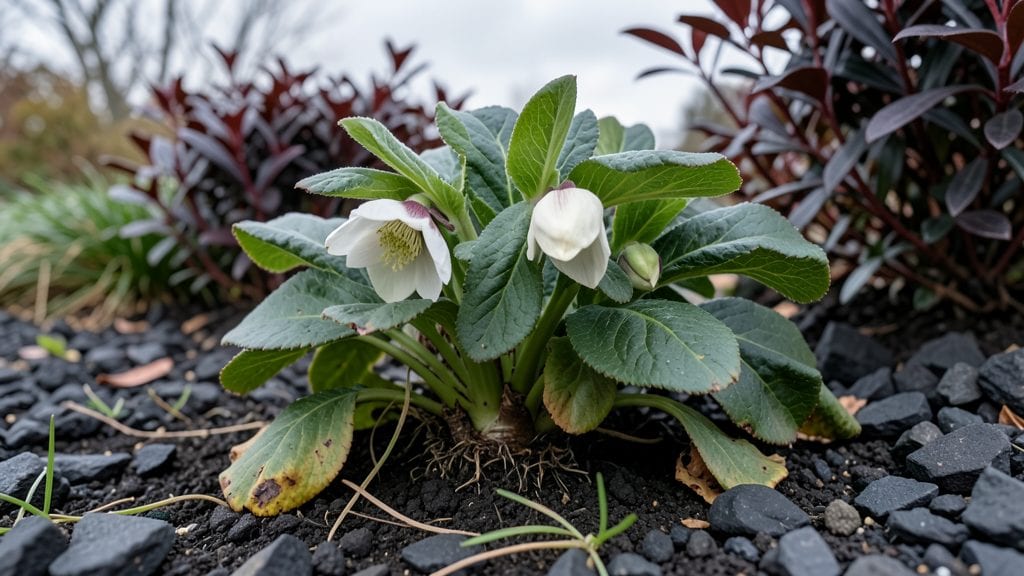
Creating a dark gothic garden feels like stepping into a secret world where every shadow tells a story. 🌿 The key is balancing dramatic plants with architectural elements that whisper mystery—think ironwork gates, twisted stone arches, and statues draped in ivy.
I’ve designed mine to feel like a living poem, where deep purples, blacks, and velvety textures dominate the scene.
The plants themselves are the stars: black mondo grass for lush ground cover, ebony splendor berries for striking foliage, and night-blooming jasmine that releases its fragrance as dusk falls.
Structural elements like wrought-iron benches and moss-covered stone walls add layers of intrigue, while strategic lighting—think flickering lanterns and uplighting—enhances the moody atmosphere.
What you’ll love most is how this garden transforms with the seasons. Evergreens keep the drama year-round, while seasonal blooms like deep red anemones and bruise-colored hydrangeas shift the palette dramatically. The result? A space that feels both ancient and intimate, perfect for quiet reflection or hosting midnight garden parties.
Here’s the secret: it’s not about perfection, but about creating a mood. Start small with a single focal point—a gnarled tree, a wrought-iron trellis—and let the rest unfold naturally. The magic happens in the details, not the scale.
📚 In This Guide
- What you need
- Instructions
- Tips and common mistakes
- Wrapping up and next steps
What you need
- ● Dark foliage plants: Black Mondo Grass (Ophiopogon planiscapus 'Nigrescens') – 10-15 plants
- ● Purple Smoke Bush (Cotinus coggygria 'Royal Purple') – 2-3 mature plants
- ● Heuchera ('Palace Purple' or 'Black Scallop') – 5-8 plants
- ● Black Lace Elderberry (Sambucus nigra 'Black Lace') – 1-2 shrubs
- ● Structural elements: Wrought iron or black metal trellises – 2-4 (depending on size)
- ● Stone or dark slate pathways – 50-100 sq. ft. (or DIY with pavers)
- ● Weathered wood or black-painted benches – 1-2
- ● Gothic-style lanterns or black metal wall sconces – 3-5
- ● Soil & mulch: Peat-based or dark compost mix – 10-15 bags (50 lbs each)
- ● Black or dark brown mulch (e.g., pine bark or dyed mulch) – 10-15 bags
- ● Heavy-duty pruners – 1 pair
- ● Garden trowel – 1
- ● Wheelbarrow or garden cart – 1 (for hauling materials)
- ● Measuring tape – 1 (for precise layout)
- ● Stakes & twine – 1 set (for marking plant placements)
- ○ Optional: Electric hedge trimmer (for shaping dense foliage)
- ● Dripping fountains or black metal birdbaths – 1-2
- ● Gothic statues or busts (e.g., angels, owls, or mythical creatures) – 1-3
- ● Moss or lichen (for a decayed, ancient look) – 5-10 lbs
- ● Dark-colored gravel or crushed slate – 10-20 lbs (for pathways or borders)
- ● Black or deep purple flowers (e.g., Black Baccara Rose, Queen of Night Tulip) – 5-10 plants
Instructions for crafting a dark gothic garden
This isn't just a garden—it's a shadowy sanctuary where every plant and path tells a story.
🪴 Step 1: Define Your Moody Layout
Start by sketching your space on paper, marking permanent features like walls, fences, or existing trees. Gothic gardens thrive on asymmetry, so avoid rigid geometric lines—think winding paths, uneven borders, and clustered focal points. I like to place the largest, darkest elements (like a blackened oak or wrought-iron arch) as anchors, then build around them organically. Use a 12-inch grid on your sketch to plan spacing—too tight, and the drama gets lost; too wide, and the mood feels sparse.
Next, map out your light sources. Gothic gardens rely on dramatic contrast, so position outdoor lighting to cast long shadows—think uplighting on walls or low-voltage spotlights trained on dark foliage. I always place a solar-powered lantern near the entrance to create an immediate sense of mystery when night falls. This isn't just decoration; it's about controlling how visitors experience the space.
🌿 Step 2: Select Plants for Maximum Drama
Forget cheerful perennials—Gothic gardens demand plants with deep hues, striking textures, and a touch of the macabre. Start with evergreens like black mondo grass (Ophiopogon planiscapus 'Nigrescens') for its jet-black foliage, or purple smoke bush (Cotinus coggygria 'Royal Purple') for its smoky, almost spectral presence. Add dark-leaved heucheras like 'Palace Purple' or 'Black Beauty' for their velvety, jewel-toned leaves—these thrive in partial shade and add layers of color.
Incorporate ornamental grasses like blood grass (Imperata cylindrica 'Rubra') or black bamboo (Phyllostachys nigra) for movement and height. These plants sway dramatically in the slightest breeze, creating a haunting, almost musical quality. For a touch of the supernatural, include bleeding heart (Dicentra spectabilis) or black calla lilies—their dark blooms feel like they emerged from a forgotten crypt. Group plants in odd numbers (3, 5, or 7) for a natural, untamed look.
☀️ Step 3: Layer Light and Shadow
Gothic gardens aren't about bright, even light—they're about contrasts. Start by pruning existing trees to create a dappled light effect, where sunlight filters through branches like stained glass. I often thin out lower branches to allow light to reach the ground in patches, casting intricate shadows on the path. Add iron or stone obelisks (4-6 feet tall) to break up light further—these cast long, shifting shadows that change with the sun's position.
Use dark mulch, like black bark chips or crushed basalt, to absorb heat and deepen the color palette. Avoid light-colored gravel or wood chips—they disrupt the moody tone. For paths, opt for flagstone or slate in irregular patterns; their uneven surfaces add texture and guide the eye through the garden like a labyrinth. Place a few sculptural elements, like a weathered stone angel or a cracked urn, where shadows pool deepest—these become focal points that feel like they've always been there.
✂️ Step 4: Add Architectural Focal Points
Gothic gardens need verticality and height to create a sense of grandeur. Install a wrought-iron trellis (6-8 feet tall) and train climbing roses like 'Black Baccara' or 'Schwarzromance' to grow upward, their dark blooms cascading like shadows. Pair it with a gothic-style arbour (4-5 feet wide) draped in ivy or clematis—the intertwining vines create a canopy that feels like a secret passage.
Incorporate stone or metal sculptures with intricate details, like a gargoyle or a cracked tombstone, to add narrative depth. These don't have to be expensive—thrift stores often have vintage ironwork that can be repurposed. Place them near seating areas or along the path where they'll be seen but not overpower the natural elements. A black metal bench with ornate scrollwork becomes both a functional and decorative centerpiece, inviting visitors to linger in the shadows.
💧 Step 5: Maintain the Moody Atmosphere
Gothic gardens require low-maintenance plants that thrive in partial shade and tolerate neglect—after all, this is a space meant to feel timeless. Water deeply but infrequently; most dark foliage plants prefer dry-to-moist soil and will wilt slightly before they need a drink. I mulch heavily with black bark to suppress weeds and retain moisture, keeping the ground looking dark and undisturbed. Prune only when necessary, and always use sharp tools to avoid ragged edges—Gothic gardens should look deliberate, not sloppy.
Seasonal adjustments are key. In autumn, leave seed heads on grasses and perennials to add texture and movement. In winter, sprinkle dried moss or black mulch over bare spots to maintain the dark palette. Avoid bright annuals—they clash with the gothic aesthetic. Instead, focus on evergreens, dark shrubs, and ornamental grasses that keep the garden feeling alive year-round. The goal is a space that feels like it's been here for centuries, untouched by time.
Tips & tricks for perfect dark gothic garden design
These subtle but transformative techniques will elevate your shadowy sanctuary from ordinary to hauntingly beautiful.
Layout Precision: When using that 12-inch grid in Step 1, I recommend marking your sketch with a fine-point black marker—it creates a more deliberate, almost architectural feel than pencil lines. The grid helps maintain that perfect balance between clustered drama and intentional spacing. For outdoor spaces, I often use a 4-foot by 6-foot grid as a secondary guide when placing larger elements like the wrought-iron trellis or gothic-style arbour mentioned in Step 4. This ensures your focal points maintain their commanding presence without overwhelming the space.
Lighting Strategy: The solar-powered lantern you place near the entrance in Step 1 should be positioned at a 45-degree angle to the path—this creates elongated shadows that dramatically enhance the gothic atmosphere. For additional contrast, consider adding uplighting behind dark foliage like black mondo grass or purple smoke bush. This technique, known as backlighting, makes leaves appear almost luminous against the night sky, creating a mesmerizing effect that feels straight out of a gothic novel.
Plant Pairing Secrets: In Step 2, when grouping your dark-leaved heucheras with ornamental grasses, I've found that pairing 'Black Beauty' heuchera with blood grass creates a striking color contrast that feels intentional rather than random. The deep purple-black foliage of the heuchera complements the fiery red of the blood grass, while both plants share similar care requirements for partial shade. For maximum visual impact, plant these combinations in triangles rather than straight lines—this mimics natural growth patterns and adds organic movement to your design.
Sculptural Placement: When positioning those gothic sculptures in Step 4, think about their relationship with light and shadow. A weathered stone angel near a west-facing wall will cast dramatic shadows in the afternoon, while a cracked urn placed in the northeast corner of your garden will remain in perpetual shadow, creating a sense of mystery. I always place at least one sculpture where it's partially obscured by foliage—this invites visitors to discover it gradually, heightening the sense of revelation that's central to gothic garden design.
Pro Tips for Dark Gothic Garden
- These subtle but transformative techniques will elevate your shadowy sanctuary from ordinary to hauntingly beautiful.
- Layout Precision: When using that 12-inch grid in Step 1, I recommend marking your sketch with a fine-point black marker—it creates a more deliberate, almost architectural feel than pencil lines.
- Lighting Strategy: The solar-powered lantern you place near the entrance in Step 1 should be positioned at a 45-degree angle to the path—this creates elongated shadows that dramatically enhance the gothic atmosphere.
Frequently asked questions
Got questions about creating your own dark gothic garden? We’ve got answers!
Here are some of the most common inquiries—plus practical tips to bring your moody masterpiece to life.
What plants thrive in a dark gothic garden?
A dark gothic garden thrives on dramatic, low-light-loving plants like black mondo grass, hemlock, purple smoke bush, and ebony boneset. For texture, add silver ferns or hostas with deep purple foliage. Avoid sun-dependent blooms—opt for evergreens or variegated shades for year-round intrigue.
How do I incorporate gothic decor without it looking tacky?
Less is more! Start with ironwork (wrought gates, trellises, or benches) and dark stone (slate, basalt, or weathered limestone). Add subtle touches like antique urns, blackened metal sculptures, or moss-covered statues. Avoid clutter—focus on height (tall spires, dead trees) and contrasts (smooth vs. rough textures).
Is a dark gothic garden high-maintenance?
Not necessarily! While it requires regular pruning (especially for overgrowth-prone plants), many gothic staples are low-maintenance. Use mulch to suppress weeds, drought-tolerant varieties (like yew trees), and automated sprinklers for efficiency. The key is strategic planning—group plants by care needs and prioritize hardy, dramatic species.
Can I mix gothic elements with other garden styles?
Try a gothic-cottage fusion with wild roses and ivy-covered arbors, or a gothic-modern hybrid using sleek black metal planters with geometric topiaries. For a whimsical touch, pair dark foliage with fairy lights or stained-glass wind chimes. The goal? Balance—let one style dominate while nodding to others.
What’s the best time of year to start a dark gothic garden?
Spring or early fall are ideal! Spring lets you establish plants before summer heat, while fall offers cooler temps and easier soil prep. Avoid winter (unless you’re in a mild climate)—frost can stress new plants. Pro tip: Order rare gothic plants (like black mondo grass) in early spring to ensure availability, and plant perennials in fall for stronger root growth.
Wrapping up and next steps
A dark gothic garden isn’t just a space—it’s a mood, a sanctuary where drama meets timeless beauty. By blending rich textures, moody lighting, and eerie yet elegant elements, you’ve unlocked a world of haunting charm that feels both mysterious and inviting.
Whether you’re drawn to twisted trees, gothic statuary, or deep purples and blacks, this style proves that darkness can be enchanting.
Ready to dive deeper? Start small—perhaps with a single dramatic focal point like a wrought-iron arch or a cluster of black roses. Or, if you’re feeling bold, sketch your full vision and gather inspiration from gothic garden tours or Pinterest mood boards.
The key is to let your creativity thrive in the shadows! 🌙✨