Tools
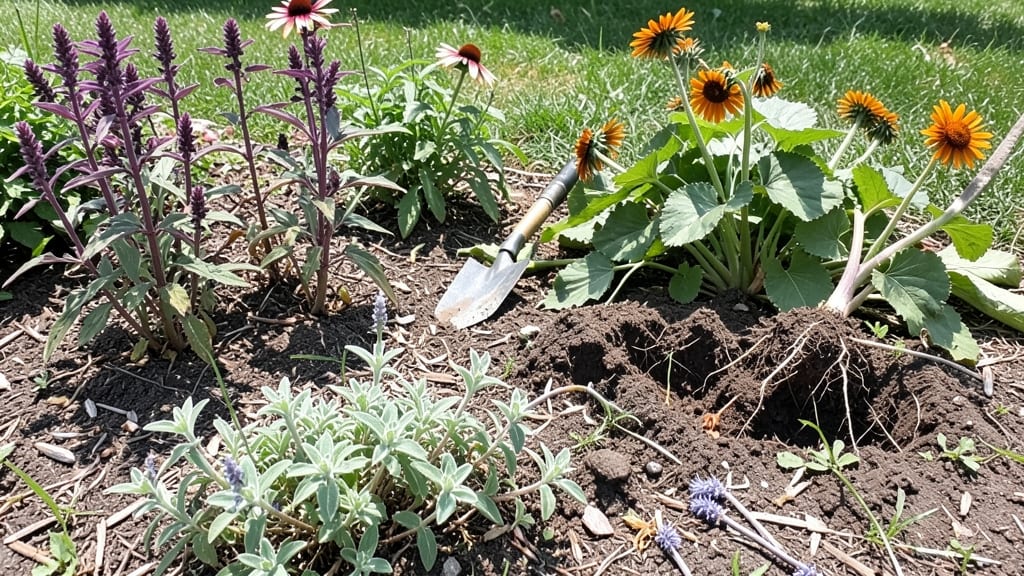
Here are some fresh garden day ideas that prove you don’t need a huge budget or endless planning—just a theme and a dash of imagination. 🌿 I’ve hosted everything from a "Moon Garden Night" with glowing white blooms to a "Butterfly Buffet" where... every plant serves a purpose for pollinators.
The key is picking a theme that excites you, then letting your space tell the story through colors, textures, and interactive elements.
Start with a simple layout: designate zones for activities, seating, and decor. A DIY herb spiral doubles as a centerpiece for cooking demos, while a checkered picnic blanket invites guests to relax among the flowers.
For a seasonal twist, swap out seasonal plants—think pumpkins and chrysanthemums for fall, or tulips and daffodils for spring. The best part? Most themes reuse the same basics: string lights, vintage crates, and a few statement plants.
You’ll end up with a garden that feels like a living party—where guests linger to sip lemonade under a perennial trellis or hunt for hidden garden gnomes in a scavenger hunt.
The magic happens when your space reflects your personality, whether that’s whimsical, rustic, or modern. Next, we’ll dive into five foolproof themes that work in any yard size.
Pro tip: Even a small balcony or patio can host a themed day with vertical gardens and portable decor. The goal isn’t perfection—it’s creating moments that make your garden the star of the show. Ready to turn your space into a gathering spot?
The Science Behind Space Transformation
Ever wonder why a simple rearrangement of plants, paths, or decor can make your garden feel like a whole new world? The magic isn’t just in aesthetics—it’s rooted in psychology, ecology, and even physics.
Understanding these factors helps you design garden days that actually create transformative spaces. Here’s why your tweaks work (or don’t).
Our brains process outdoor spaces through a mix of biophilic design (love of nature) and prospect-refuge theory (the balance of open vistas and cozy nooks). When you rearrange elements, you’re hacking these instincts:
- 👁️ The "Rule of Thirds" in Nature Gardens feel harmonious when focal points (like a tree, sculpture, or fire pit) align with the golden ratio (a 1:1.618 balance). Our eyes naturally gravitate toward these points, making them feel intentional. Pro tip: 🎯 Place a bold plant or seating area at a T-junction in your garden’s "viewing grid" to draw attention.
- 🌿 Color Psychology & Mood Shifts Colors trigger emotional responses:
- Blue/purple hues (lavender, hydrangeas) reduce stress by mimicking calming sky tones.
- Warm oranges/yellows (marigolds, sunflowers) boost energy, perfect for dining areas.
- High-contrast greens (hostas + ferns) create depth, tricking the brain into perceiving more space. Example: Swap a monochromatic bed for a two-tone palette (e.g., silver foliage + deep red blooms) to instantly shift the vibe from "relaxing" to "dramatic."
- 🚶 Pathway Illusions Narrow, winding paths feel intimate; wide, straight ones feel expansive. This plays on depth perception—your brain judges space by how paths guide your gaze. Try this: 🌿 Add a meandering stepping-stone path to a previously linear bed to make it feel like a secret garden.
Plants don’t just sit there—they compete, cooperate, and even "talk" to each other through chemical signals (like releasing allelopathic compounds to suppress weeds). When you rearrange them, you’re either:
- Optimizing their survival (better sunlight, airflow, or pollinator access).
- Creating artificial stress (overcrowding, shade competition).
- ☀️ Sunlight Hunger & Shadow Wars Most plants follow a photoperiodic rhythm—they grow toward light (positive phototropism). If you move a sun-loving rose into a shady spot, it’ll:
- Stretch leggy (etiolation) to reach light.
- Bloom less (since flowering requires sunlight). Fix it: 🌞 Group plants by sun needs (e.g., succulents in south-facing beds, ferns in north shade) to avoid "plant drama."
- 💧 Water Competition & Root Zones Plants with similar water needs should be clustered to prevent over- or under-watering. For example:
- Drought-tolerant (lavender, sedum) + moisture-loving (hostas, astilbes) = root zone conflict. Solution: 💦 Use hydrozoning—group plants by water preferences and install drip lines accordingly.
- 🐝 Pollinator Traffic Jams Bees and butterflies follow scent trails and color cues (purple/blue/yellow > red). If you scatter single blooms randomly, pollinators get confused. Boost efficiency: 🐝 Plant in blocks (e.g., a 3x3 square of bee balm) to create a "pollinator highway."
Hardscaping (paths, walls, furniture) uses optical tricks to alter how we experience space. Here’s how:
- 🔺 The "Pezzolla Effect" (Fake Depth) Our brains judge distance by vertical lines. A tall trellis or obelisk makes a small garden feel deeper. Test it: 📏 Install a 6-foot vertical garden against a short fence—it’ll "push" the space backward.
- 🪑 Furniture Placement & Social Zones Seating arrangements follow Ergonomic Anthropometry (how bodies interact with space). For example:
- Intimate conversation: Tables <3 feet apart, chairs angled toward each other.
- Group gathering: Round tables or benches encourage eye contact (vs. isolated chairs). Upgrade your setup: 🛋️ Swap a single lounge chair for a semi-circle of Adirondack chairs facing a fire pit to instantly create a "gathering hub."
- ✨ Mirror Magic (Literally) Water features and reflective surfaces (like polished stone or mirrors) double perceived space by creating virtual copies of your garden. Easy hack: 💧 Add a small solar-powered fountain—it adds movement and reflects light, tricking the eye into seeing more room.
Next time you plan a garden day, remember: you’re not just moving plants—you’re rewiring how your brain and the ecosystem experience the space. Small, science-backed tweaks can turn a "meh" yard into a showstopper without breaking the bank.
Quick fixes for common garden day flops
Turned your garden day into a day of frustration? Whether it’s unruly plants, unexpected pests, or a space that just doesn’t feel themed enough, these targeted fixes will get you back on track in no time.
Below, we’ve mapped the most common garden day pitfalls to simple, actionable solutions—plus prevention tips to keep your outdoor space looking intentional and effortless.
Cause: Neglected pruning, fast-growing weeds, or plants that outpace your vision. Fix:
- 🔪 Trim strategically: Use sharp pruners or shears to shape shrubs and bushes. Cut back overgrown branches by one-third to encourage bushier growth. For perennials, deadhead spent blooms to redirect energy into new growth.
- 🌿 Mulch like a pro: Apply 2–3 inches of mulch (wood chips, straw, or shredded bark) around plants to suppress weeds and retain moisture. Pro tip: Refresh mulch annually to keep it effective.
- 🌱 Swap out problem plants: If a plant refuses to cooperate, replace it with a low-maintenance alternative. For example, trade invasive mint for creeping thyme or opt for ornamental grasses that thrive with minimal fuss.
Cause: Lack of natural deterrents, overwatering, or attracting pests with ripe fruit/veggies. Fix:
- 🛡️ Introduce barriers: Use row covers for veggie gardens, copper tape for slugs, or chicken wire around young plants to deter rabbits. For aphids, spray plants with a soapy water solution (1 tsp mild soap per quart of water).
- 🐞 Encourage predators: Plant companion flowers like marigolds (repel nematodes) or lavender (deters mosquitoes). Install a small birdhouse or bat box to attract pest-eating birds and bats.
- 🍎 Harvest promptly: Pick ripe fruit or veggies immediately to avoid attracting fruit flies or rodents. Store produce in mesh bags or crates to keep pests out.
Cause: Adding plants/tools randomly, ignoring focal points, or mixing incompatible styles. Fix:
- 🖌️ Define your theme: Pick one cohesive theme (e.g., cottagecore, modern minimalist, or tropical paradise) and stick to it. Use color palettes, textures, and plant heights to tie elements together. For example, a cottage garden thrives with white picket fences, climbing roses, and wildflower borders.
- 🧹 Declutter ruthlessly: Remove broken pots, old tools, or plants that don’t fit the vibe. Store seasonal items (like holiday decorations) in labeled bins to keep the space clean.
- 📐 Use hardscaping: Add pathways (gravel, stepping stones), trellises, or a small water feature to create structure. These elements anchor your theme and guide the eye.
Cause: Uneven watering, compacted soil, or poor drainage. Fix:
- 💧 Upgrade your watering game: Install a drip irrigation system for consistent moisture, or use self-watering pots for herbs and small plants. Water deeply but infrequently (1–2 inches per week) to encourage root growth.
- 🌍 Improve soil health: Mix in compost or aged manure to enrich soil. For heavy clay, add perlite or sand to improve drainage. Test your soil’s pH (most plants prefer 6.0–7.0) and amend as needed.
- 🚿 Fix drainage problems: Raise garden beds or add a layer of gravel at the bottom of containers to prevent waterlogging. Ensure pots have drainage holes.
Cause: Missing essentials for your garden day theme or project. Fix:
- 🛒 Stock up smart: Keep a “garden day essentials” kit handy with basics like gloves, pruners, a trowel, and a wheelbarrow. For themed layouts, add theme-specific tools (e.g., a paintbrush for stenciling, a level for pathways).
- 🔄 Repurpose household items: Use old teacups as planters, wine bottles as trellises, or pallets as vertical gardens. A spray bottle can double as a misting tool for seedlings.
- 📦 Organize supplies: Store tools in a shed or wall-mounted rack to avoid last-minute scrambles. Label bins for fertilizers, seeds, or decorations to save time.
With these fixes, your garden day will go from chaotic to chic in a flash. The key? Address issues early, stay consistent, and let your theme guide every decision. Happy gardening! 🌿✨
Frequently asked questions
What are the easiest themes to start with for a garden day?
Begin with simple, flexible themes like a color palette party (e.g., all purple blooms) or a sensory garden with fragrant herbs and textured foliage. These require minimal prep—just swap out existing plants or add a few key varieties. Another crowd-pleaser is a picnic garden, where you focus on cozy seating, checkered blankets, and easy-to-harvest snacks like cherry tomatoes or strawberries.
How do I make a small space feel like a big garden day?
Use vertical elements like trellises with climbing roses or wall-mounted planters to add height. Create illusions of space with mirrors or reflective surfaces, and stick to a monochromatic color scheme (e.g., varying shades of green) to make the area feel larger. Keep pathways clear and use lightweight furniture that can be easily moved or stored.
What’s the best way to keep kids engaged during a garden day?
Set up interactive stations like a DIY flower crown workshop or a bug hotel building challenge with sticks and pinecones. Include scavenger hunts (e.g., "Find something red!") or let them plant fast-growing seeds like sunflowers or radishes. For older kids, add a mini compost bin project> where they can track decomposition over time.
Can I host a garden day on a budget?
Focus on free or low-cost decor> like repurposed containers (mason jars as vases), natural materials (stones as centerpieces), and DIY signs made from driftwood or chalkboard paint. Swap expensive plants for cuttings from friends> or volunteer at a community garden for free seeds. Even a simple potluck-style meal> with homegrown ingredients keeps costs down while adding a personal touch.
How do I handle unexpected weather during a garden day?
Have a backup indoor space> like a sunroom, garage, or even a covered patio for rain. If it’s too hot, schedule activities for early morning or evening, and provide shade with umbrellas or a pop-up canopy. For windy days, anchor lightweight decor with weights or stakes, and opt for heavier, low-to-the-ground plants> that won’t topple over.