
Pests
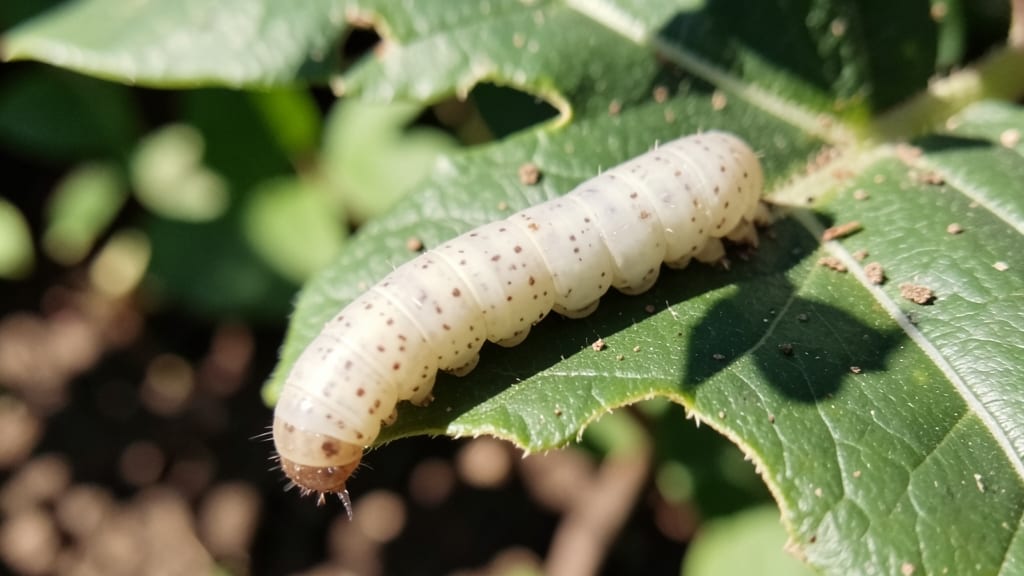
Mastering garden grubs identification early can spare your plants—and your sanity—from the chaos of a writhing, hungry invasion. 🌱 I’ve pulled out enough squirming white grubs from my lawn to know the difference between a harmless visitor and a full-blown invasion.
The key lies in their size, shape, and the damage they leave behind—chewed roots, wilting seedlings, or tunnels in the soil.
Cutworms slice stems at night, Japanese beetle grubs feast on grass roots, and wireworms chew through seeds and bulbs. Beneficial grubs like soldier beetle larvae won’t destroy your garden—you’ll spot them in compost piles or under leaves, not gnawing on your prized veggies.
A quick soil check with a trowel reveals their hiding spots.
Once you know what’s lurking, you’ll spot the signs early: yellowing grass, collapsed stems, or grubs surfacing when you water. The good news? Most grubs can be managed with simple fixes—like nematodes, row covers, or even a well-timed sprinkle of diatomaceous earth.
No need for harsh chemicals when you recognize the culprit first.
This guide covers the most common offenders and how to tell them apart—so you can act fast and protect your garden’s hard work. Confusion over grubs is the first step toward bigger problems, but knowing their habits puts you in control.
Root Causes of Grub Infestations
Grubs—those squirming, C-shaped larvae—don’t just appear out of nowhere. Their presence in your garden is usually a sign of deeper ecological or environmental triggers. Understanding these causes helps you take targeted action to prevent future outbreaks. Let’s dig into the science behind why grubs invade your soil and plants.
Grubs thrive in specific soil environments, often created by human gardening habits or natural conditions.
- Rich, Loose Soil 🔍 Grubs, especially Japanese beetle larvae, love well-drained, aerated soil with high organic matter.
If you’ve recently amended your garden with compost or mulch, you may have unknowingly created the perfect nursery for them. Why? Loose soil is easier for adult beetles to lay eggs in, and the larvae can burrow deeper without resistance.
- Overwatered or Compacted Soil 💦 Grubs prefer moisture but avoid waterlogged conditions. However, consistently damp soil (from overwatering or poor drainage) signals to beetles that it’s a safe place to deposit eggs.
Additionally, compacted soil—often from foot traffic or heavy machinery—creates pockets where grubs can hide undetected by predators like birds or beneficial nematodes.
- Lack of Beneficial Predators 🦋 Healthy soil ecosystems naturally regulate grub populations through predators like ground beetles, toads, and parasitic nematodes. If your garden lacks biodiversity (e.g., due to pesticide use or monoculture planting), grubs face fewer natural threats and multiply unchecked.
Grubs are the larval stage of beetles, and their life cycle starts with adult beetles. Here’s how their behavior leads to infestations:
- Timing of Beetle Emergence ⏳ Most grub-causing beetles (e.g., Japanese beetles, June beetles, and European chafer beetles) emerge in late spring to early summer.
Females then lay eggs in the top 2–3 inches of soil, where warmth and moisture trigger hatching in 10–14 days. Pro tip: If you notice adult beetles feasting on your roses or leaves in June, grubs could already be tunneling in your lawn roots by July.
- Host Plant Preferences 🌹 Some beetles target specific plants. For example:
- Japanese beetles prefer roses, grapes, and raspberries.
- June beetles are attracted to turfgrass and vegetable gardens. Adults lay eggs near these plants, ensuring larvae have easy access to roots once they hatch.
- Warmth and Sunlight ☀️ Beetles seek out sun-warmed soil (ideal for egg-laying). South-facing lawns or garden beds get hotter during the day, making them prime real estate for egg deposition. Actionable fix: Mow high or use shade cloth in high-risk areas to reduce soil temperature.
Sometimes, well-meaning gardening practices accidentally create grub paradises.
- Excessive Nitrogen Fertilizer 💥 Grubs are drawn to nitrogen-rich soil because it promotes lush grass—their favorite food source. If you fertilize heavily in early summer (when eggs hatch), you’re essentially inviting a buffet for larvae. Solution: Use slow-release fertilizers and avoid high-nitrogen applications during peak grub season (June–August).
- Newly Laid Turf or Garden Beds 🏗️ Freshly tilled or planted soil is irresistible to egg-laying beetles.
The disturbance exposes fresh roots, and the loose texture makes it easy for females to tunnel in. Prevention: If you’re installing new sod or planting, treat the soil with beneficial nematodes (Heterorhabditis bacteriophora) beforehand to deter eggs.
- Ignoring Early Signs 🚨 Many gardeners only notice grubs when lawns turn brown in patches or plants wilt suddenly.
By then, the larvae may already be 1–2 inches long and voracious. Key indicators to watch for: - Birds digging up lawns (a sign of grubs near the surface). - Squirrels or raccoons rooting in garden beds (they’re hunting grubs). - Adult beetles swarming your plants (future grub generation is coming).
Not all grubs are equal—some species thrive in specific climates.
- Warm, Humid Climates 🌡️ Regions with hot summers and mild winters (e.g., the Southeast U.S.) see more Japanese beetle and Southern masked chafer grubs. These species have 2 generations per year, leading to larger infestations.
- Cooler Northern Climates ❄️ In states like the Midwest or Northeast, June beetle grubs dominate. They prefer cooler soils and may take 2–3 years to mature, making them harder to eradicate once established.
- Drought Followed by Heavy Rain 🌧️ A dry spell can stress plants, making them more vulnerable. When heavy rain follows, it softens the soil, encouraging beetles to lay eggs in the suddenly moist conditions. Watch for: Grub outbreaks after spring rains in drought-prone areas.
How to Fix Garden Grub Damage
Once you’ve identified the type of grubs wreaking havoc in your garden, it’s time to take action. The good news? Most grub problems can be managed with a mix of natural, chemical-free methods and preventative strategies.
Below, we’ve mapped out targeted solutions based on the most common causes of grub infestations—plus tips to keep them from returning.
If your grass looks like a buffet for grubs, act quickly before they chew through roots.
🍳 Apply Beneficial Nematodes (Best for Organic Gardens)
- How it works: Microscopic nematodes (Heterorhabditis bacteriophora) infect and kill grubs naturally.
- Steps: 1. Water your lawn deeply 24 hours before application. 2.
Mix nematodes with water (follow package instructions) and apply with a sprayer or watering can. 3. Reapply every 4–6 weeks during grub season (spring/fall). - Pro tip: 🌡️ Apply in early morning or late evening to avoid UV damage.
👨🍳 Use Milky Spore (Long-Term Prevention)
- How it works: A natural bacteria (Bacillus popilliae) that thrives in grub guts, killing them over time.
- Steps: 1. Purchase milky spore powder (available at garden centers).
- Mix with water and apply to bare soil (not grass) in early fall.
- Reapply annually for 2–3 years to establish a colony. - Pro tip: Works best in warm climates—ideal for southern U.S. lawns.
🔪 Chemical Controls (Last Resort)
If grubs are severe, imidacloprid-based granules (like Merit) can provide fast relief.
- How to use:
- Spread granules evenly over the lawn using a spreader.
- Water lightly to activate.
- Reapply every 3–4 months during grub season.
- ⚠️ Warning: Avoid overuse—chemicals can harm beneficial insects and pollute water.
Grubs in veggie beds munch on roots, stunting plants. Here’s how to outsmart them:
🥘 Hand-Picking (Best for Small Gardens)
- How it works: Grubs are slow-moving—easy to spot in moist soil.
- Steps: 1. Water the garden 1–2 hours before digging to soften soil. 2. Gently loosen the top 2–3 inches of soil with a trowel.
- Look for C-shaped larvae (white to tan) and drop them in soapy water to kill them. - Pro tip: 🌱 Replant with nematode-resistant crops (e.g., carrots, beets) in affected areas.
🔪 Diatomaceous Earth (DE) Barrier
- How it works: DE dehydrates grubs on contact (safe for plants).
- Steps: 1. Sprinkle a thin layer around plant bases and in rows. 2. Reapply after rain or watering (it washes away).
- Avoid breathing DE—wear a mask when applying. - Pro tip: 💡 Mix DE with cocoa bean meal (also repels grubs) for extra protection.
🌱 Crop Rotation & Trap Plants
- How it works: Grubs prefer corn, potatoes, and tomatoes. Rotate crops and use trap plants to lure them away.
- Steps: 1. Plant marigolds or nasturtiums near vulnerable crops—they repel grubs.
- Avoid planting grub-loved crops in the same spot year after year.
- Solarize soil in fall: Cover beds with clear plastic for 4–6 weeks to bake grubs out.
The best defense? Stopping them before they start.
| Prevention Method | How to Do It | Best Time to Apply |
|---|---|---|
| Neem Oil Spray | Mix neem oil with water + a drop of dish soap; spray soil and plant bases. | Spring & Fall |
| Chicken Manure (Composted) | Spread 1–2 inches around plants—grubs avoid it. | Early Spring |
| Grub-Resistant Grass | Plant tall fescue or ryegrass (less appealing to grubs). | Fall Overseeding |
| Regular Soil Checks | Dig up 1-inch soil samples monthly to spot grubs early. | Spring to Early Fall |
🎯 Final Pro Tip: If grubs are consistently a problem, consider sand-based soil amendments—grubs hate dry, sandy conditions. Mix sand into garden beds in early spring for a long-term deterrent.
By combining immediate fixes with smart prevention, you can keep grubs under control without harsh chemicals. Happy gardening! 🌿🐛🚫
Frequently asked questions
How do I tell if my garden has grubs vs. worms?
Grubs are C-shaped larvae (white or tan) that tunnel in soil, while earthworms are longer with bristles and improve soil health. Look for chewed roots or wilting plants—grubs cause damage, while worms aerate soil. Grubs also surface when you water, unlike worms that burrow deeper.
Are all grubs harmful to my garden?
No! Some grubs are beneficial, like soldier beetle larvae (black with orange markings) found in compost. Harmful grubs (white/tan) target roots. Check for damage patterns: beneficial grubs don’t chew plants. If unsure, observe their behavior—predatory grubs hunt pests, while destructive ones hide in soil.
What’s the best time of day to spot grubs?
Early morning or after watering is ideal. Grubs are sluggish when soil is damp, making them easier to spot. Dig a 1-inch-deep sample near wilting plants or brown grass patches. Avoid midday—heat drives them deeper into soil, making detection harder.
Can grubs survive winter in my garden?
It depends on the species. Japanese beetle grubs (common in warm climates) may overwinter, while June beetle grubs (northern regions) can survive 2+ years in cooler soils. Mulch heavily in fall to protect plants, but check soil in spring—grubs become active as temperatures rise.
Why do I keep finding grubs even after treatment?
Grubs have multi-year life cycles—some species take 2–3 years to mature. Incomplete treatments (e.g., skipping reapplication) or missed egg-laying spots can cause repeat infestations. Rotate methods (nematodes + milky spore) and monitor soil monthly for consistency.