
Companion Plants
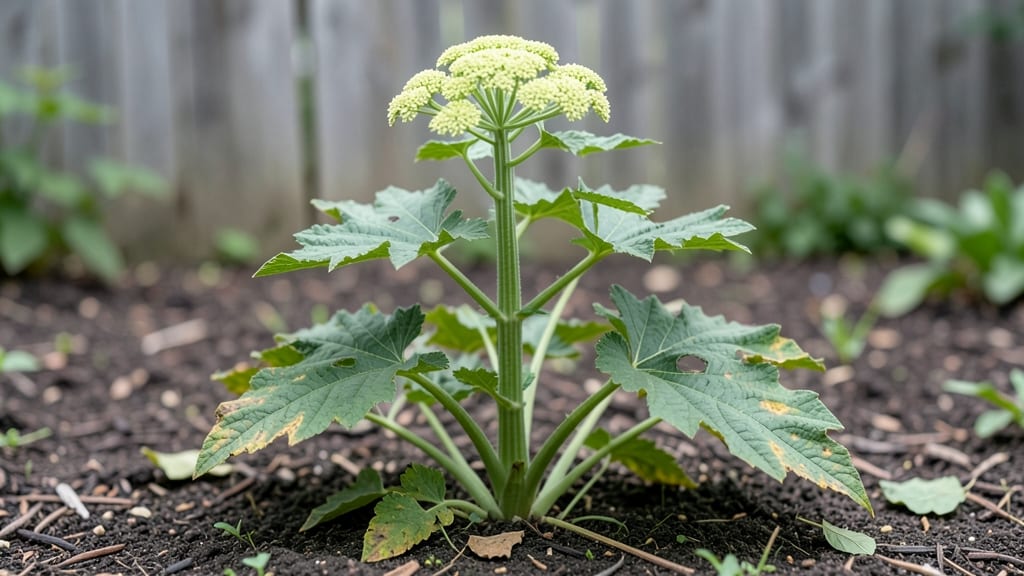
Growing lovage plants in your garden means adding a hardy, shade-tolerant perennial that doubles as a kitchen herb and medicine cabinet. 🌿 I planted mine last spring near the back fence, and now it towers over my other herbs—both useful and strikingly tall.
The thick, celery-like stalks and aromatic leaves make it a standout in any garden, plus it thrives where other plants struggle.
The secret to happy lovage lies in its soil and sunlight. It loves rich, moist soil but handles partial shade beautifully—perfect for under trees or along fences. Once established, it’s drought-tolerant, though young plants appreciate regular watering.
A handful of compost at planting time gives it a head start, and it’ll reward you with lush growth year after year.
By late summer, you’ll be harvesting stalks for soups, leaves for teas, and roots for tinctures—all from the same plant. The flavor is bold, almost licorice-like, and the medicinal properties (digestive aid, anti-inflammatory) make it a true garden MVP.
Even better, it self-seeds, so you’ll likely get free volunteers popping up where you least expect them.
Whether you’re growing it for the kitchen, the apothecary, or just the drama of its height, lovage plays well with others. Pair it with parsley, chives, or even roses—it’s the kind of plant that keeps giving, with minimal fuss. Ready to add this versatile giant to your garden?
📚 In This Guide
- What you need
- Instructions
- Tips and common mistakes
- Wrapping up and next steps
What you need
- ● Lovage seeds or plants: 3–5 seeds (if starting from seed) or 1–2 nursery-grown plants (for faster results). Choose organic or heirloom varieties if available.
- ● Well-draining soil: A mix of loamy soil with a pH of 6.0–7.5. Amend heavy clay with compost or sand.
- ● Sunlight: A spot with full sun to partial shade (6+ hours of sunlight daily for optimal growth).
- ● Watering can or hose: For gentle, deep watering (avoid overhead spraying to prevent mildew).
- ● Mulch: 2–3 inches of organic mulch (straw, wood chips, or shredded leaves) to retain moisture and suppress weeds.
- ● Garden fork or trowel: For transplanting seedlings or dividing mature plants.
- ● Compost or balanced fertilizer: 5-10-10 or organic compost (1–2 tbsp per plant) to boost growth in the first growing season.
- ● Potting mix: If growing in containers, use a sterile, well-draining mix (e.g., 60% potting soil + 30% perlite + 10% compost).
- ● Plant markers: To label lovage (since it looks similar to celery when young!).
- ● Pruning shears: For harvesting leaves and stems cleanly.
- ● Row cover or shade cloth: If your climate has extreme heat or cold, to protect young plants.
Step-by-Step guide to planting and cultivating garden lovage
This hardy perennial thrives with minimal fuss—just follow these straightforward steps for a productive patch.
🌱 Step 1: Choose the Right Planting Location
Garden lovage loves full sun to partial shade and tolerates a range of soil types, but it performs best in well-draining soil with 6+ hours of direct sunlight daily. I always pick a spot where it won’t be disturbed, since lovage’s deep roots make transplanting difficult later. The plant grows 3-5 feet tall, so give it space—3 feet apart in all directions if planting multiple.
If your soil is heavy clay, mix in a few inches of compost to improve drainage. Lovage handles poor soil better than most herbs, but it rewards you with bigger stems and leaves when conditions are ideal. Test your spot by digging a small hole—if water pools after 10 minutes, amend the soil before planting.
🌿 Step 2: Plant Seeds or Transplants in Early Spring
Sow seeds ¼ inch deep in early spring, about 6-8 weeks before your last frost date. Lovage seeds germinate slowly—expect 2-4 weeks in ideal conditions. I like to start seeds indoors in biodegradable pots for a head start, then transplant outdoors after the soil warms to 50°F.
For transplants, dig a hole twice as wide as the root ball and place the plant so the top of the root ball sits ½ inch below soil level. This encourages strong root growth. Water deeply right after planting to settle the soil and remove any air pockets around the roots. Mulch with 2-3 inches of organic mulch to retain moisture and suppress weeds.
💧 Step 3: Water Consistently and Fertilize Lightly
Lovage is drought-tolerant once established, but young plants need 1 inch of water weekly during the first growing season. Water at the base to avoid wetting the leaves, which can lead to fungal issues. You’ll know it’s time to water when the top 1-2 inches of soil feel dry.
Fertilize sparingly—lovage doesn’t need much. In early spring, apply a balanced organic fertilizer (like 5-5-5) at half strength. Avoid high-nitrogen fertilizers, which promote leafy growth at the expense of the thick, flavorful stems. I skip fertilizing after the first year unless the plant looks weak or stunted.
✂️ Step 4: Prune and Harvest for Best Growth
Harvest stems in late spring or early summer when they reach 12-18 inches tall. Cut just above a leaf node to encourage regrowth. Leave at least ⅓ of the plant unharvested to maintain energy for next year. The flavor intensifies after the first frost, so don’t hesitate to harvest again in fall.
Prune back any dead or yellowing leaves in early spring to keep the plant healthy. If lovage flowers, you can remove the seed heads to redirect energy into leaf and stem growth. I let a few flowers go to seed occasionally—lovage self-seeds readily, so you’ll likely get volunteers popping up nearby over time.
⏰ Step 5: Overwinter and Prepare for Next Year
Lovage is hardy to USDA Zone 3, so it survives winter with no special care. In colder climates, mulch heavily with 4-6 inches of straw or leaves to protect the crown. Remove the mulch in early spring once new growth appears.
Divide mature plants every 3-4 years in early spring to prevent overcrowding. Dig up the clump, separate the roots, and replant the divisions. This keeps the plant vigorous and prevents decline. Lovage spreads easily, so you might end up with more plants than you started with—share the extras with fellow gardeners!
Tips & tricks for perfect garden lovage cultivation
These practical tips will help you grow thriving lovage plants that reward you with flavorful stems and lush leaves year after year.
The Soil Test: That 10-minute water test in Step 1 is your best friend for determining drainage. If water pools after 10 minutes, mix in compost or sand to improve drainage—lovage hates soggy roots. I've seen plants struggle in clay soil until I amended it properly. The goal is soil that drains well but still holds moisture for those deep roots.
Seed Starting Strategy: When starting seeds indoors in Step 2, place your biodegradable pots in a warm spot (around 70°F) to speed up germination. The seeds can take 2-4 weeks, so don't be impatient! I use a seedling heat mat for faster results. Once they sprout, keep them near a sunny window or under grow lights until soil temperatures reach 50°F for transplanting.
Watering Wisdom: The 1-2 inch soil dryness check in Step 3 works great, but I've found that watering deeply once a week (rather than little amounts daily) encourages deeper root growth. This is especially important during the first growing season when young plants need consistent moisture. Water at the base to prevent fungal issues from wet foliage.
Harvesting Technique: When harvesting those 12-18 inch stems in Step 4, use clean, sharp scissors or pruners. Cut at a 45-degree angle just above a leaf node to encourage new growth from that point. I always leave at least ⅓ of the plant unharvested—this keeps the plant healthy and productive for years to come. The flavor really does intensify after the first frost, so don't hesitate to harvest again in fall.
Pro Tips for Garden Lovage Plants
- These practical tips will help you grow thriving lovage plants that reward you with flavorful stems and lush leaves year after year.
- The Soil Test: That 10-minute water test in Step 1 is your best friend for determining drainage.
- Seed Starting Strategy: When starting seeds indoors in Step 2, place your biodegradable pots in a warm spot (around 70°F) to speed up germination.
Frequently asked questions
How do I start growing lovage from seed?
Lovage seeds need cold stratification (40°F/4°C for 2–3 weeks) to germinate. Sow them outdoors in early spring or indoors 8–10 weeks before the last frost. Press seeds lightly into moist, well-draining soil and keep them consistently damp. Germination takes 2–4 weeks—patience is key!
When is the best time to harvest lovage?
You can harvest lovage anytime after it reaches 12–18 inches tall, but the best flavor comes in early summer before flowering. Snip leaves and stems just above a leaf node to encourage bushier growth. For roots, harvest in fall after the first frost for maximum sweetness. Just avoid over-harvesting—lovage is slow to recover!
What pests or diseases should I watch for with lovage?
Lovage is generally pest-resistant, but aphids and slugs may occasionally target young plants. Use neem oil or handpick pests. Fungal issues like powdery mildew can occur in humid conditions—ensure good airflow and avoid overhead watering. If leaves yellow, check for root rot (too much water!) and adjust care.
Can I substitute lovage for other herbs like celery or parsley?
Lovage’s celery-like flavor with a hint of anise makes it a great swap for celery, celeriac, or parsley in soups, stews, and sauces. Use it 1:1 in recipes—just note its stronger taste. Try it in pesto, stocks, or as a garnish. For a milder profile, blend it with parsley or chervil.
How cold-hardy is lovage, and does it need winter protection?
Lovage is extremely hardy (USDA zones 3–9) and thrives in cold climates. In mild winters, it may stay green year-round. In colder zones, mulch heavily with straw or leaves to protect roots. If leaves die back, they’ll regrow in spring—no need to panic!
Pro Tip:
Lovage’s roots are edible too! Dig up mature roots in fall, peel, and slice them thinly for a licorice-like crunch in salads or as a snack. Store roots in the fridge for up to 2 weeks or freeze for longer shelf life.
Wrapping up and next steps
Growing garden lovage is a rewarding journey that brings both beauty and practical benefits to your garden. This hardy perennial thrives with minimal fuss, offering flavorful culinary delights and medicinal properties—plus, it’s a fantastic companion plant!
Whether you’re a seasoned gardener or just starting out, lovage’s resilience and versatility make it a must-have addition.
Ready to dive in? Start by planting a few seeds or cuttings this season—your future harvests (and taste buds!) will thank you. 🌱✨