
Companion Plants
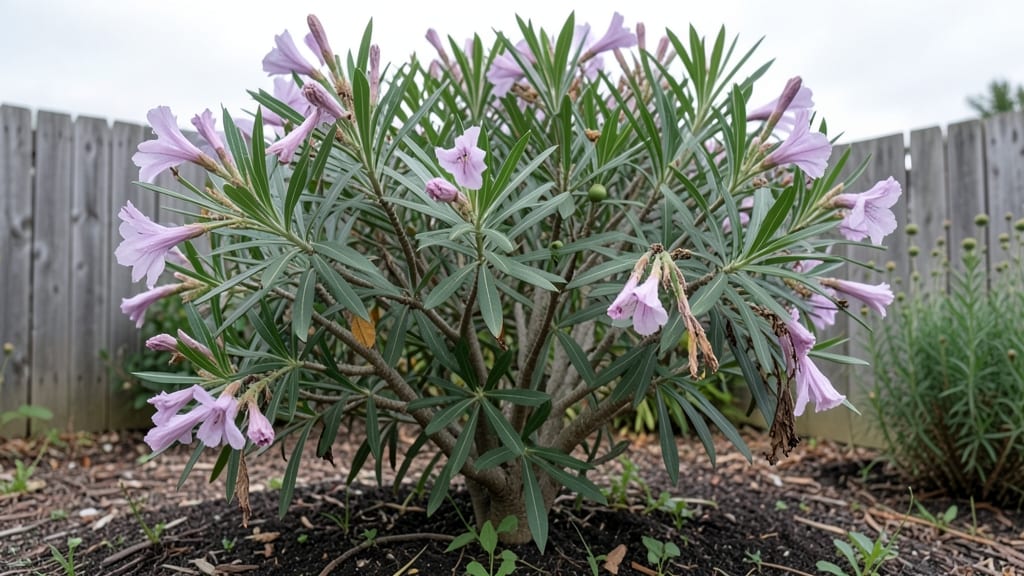
Among the lush greenery of your garden lie some of nature’s most deadly garden plants, like foxglove, oleander, or castor bean—whose toxins can harm pets, kids, or even adults with just a brush against leaves.
I’ve learned the hard way that beauty and danger often grow side by side, so I swapped those risky plants for safer pest-repelling alternatives that work just as well. The right choices protect your family while keeping bugs away without chemicals.
Foxglove’s striking bells and castor bean’s glossy seeds are tempting, but their toxins cause nausea, rashes, or worse. Instead, try marigolds (which deter nematodes) or lavender (a natural mosquito repellent).
Both thrive in the same spots as their toxic cousins but won’t make anyone sick if touched. Even better, they attract pollinators and add color without the risks.
You’ll sleep easier knowing your garden is safe for curious hands and wagging tails. Just keep an eye out for datura (jimsonweed) or lily of the valley—both common in landscapes but deadly if ingested.
Swapping them for rosemary or basil keeps pests at bay while making your space welcoming, not worrisome.
For extra peace of mind, wear gloves when handling unfamiliar plants and teach kids to admire—not taste—your garden’s greenery. The right non-toxic choices make pest control simple, effective, and worry-free. Let’s get your garden working for you, not against your family’s safety.
📚 In This Guide
- What you need
- Instructions
- Tips and common mistakes
- Wrapping up and next steps
What you need
- ● Non-toxic companion plants: 5–10 Marigolds (French or African varieties)
- ● 3–5 Basil plants (Genovese or Purple varieties)
- ● 2–3 Garlic bulbs (hardneck or softneck)
- ● 1–2 Lavender bushes (English or Spanish lavender)
- ● 1 Rosemary plant (Upright or Prostratus varieties)
- ● 1–2 Chives plants (for culinary and pest-repelling benefits)
- ● Garden soil: 1–2 bags of organic, well-draining potting mix (5–10 cubic feet, depending on garden size)
- ● Compost: 1–2 bags of aged compost (for enriching soil)
- ● Organic mulch: 1–2 bags of straw, wood chips, or pine needles (for moisture retention and weed suppression)
- ● Watering can or hose: With a fine-mist nozzle for gentle watering
- ● Essential tools: 1 garden trowel (for planting small bulbs/seeds)
- ● 1 hand pruners (for trimming plants)
- ● 1 garden gloves (to protect hands from soil and thorns)
- ● 1 measuring tape (for spacing plants correctly)
- ○ Optional (but helpful) tools: 1 wheelbarrow (for transporting soil/mulch)
- ● 1 soil pH tester (to ensure optimal growing conditions)
- ● 1 spray bottle (for misting seedlings)
- ● 1 label markers (to identify plants)
- ● A sunny or partially shaded garden bed (6–8 hours of sunlight for most plants)
- ● Access to clean water (for consistent watering)
- ● Basic knowledge of plant spacing (check seed packets or plant tags for guidance)
- ○ Optional: A garden journal to track plant growth and pest activity
Step-by-Step guide to creating a safe, pest-repelling garden
Skip the toxic chemicals and build a thriving garden that naturally deters pests—without harming your family or pets.
Research and Remove Hazardous Plants
Start by identifying and removing any toxic plants already in your garden. Common culprits include foxglove, oleander, and castor bean—all deadly if ingested. Focus on replacing these with non-toxic alternatives that still serve the same purpose. For example, swap foxglove (a favorite of bees but toxic to humans) with bee balm, which attracts pollinators safely.
Check your garden’s sunlight and soil conditions to ensure your new plants will thrive. Most pest-repelling alternatives, like marigolds or lavender, prefer full sun and well-draining soil. If your garden is shady, opt for plants like mint or lemongrass, which tolerate lower light levels while still keeping pests away.
Plant Non-Toxic Pest-Repelling Alternatives
Begin by planting marigolds around the edges of your garden. Their strong scent deters nematodes, aphids, and even rabbits. Space them about 12 inches apart in rows or clusters to maximize their pest-repelling effect. Next, add lavender near pathways or garden borders—its fragrance keeps mosquitoes and flies at bay while attracting beneficial bees.
For vegetable gardens, interplant basil, rosemary, or thyme among your tomatoes and peppers. These herbs not only repel pests like whiteflies and spider mites but also enhance the flavor of your harvest. Avoid overcrowding; give each plant at least 6 inches of space to ensure healthy growth and airflow.
Incorporate Natural Barriers and Companion Planting
Use tall plants like sunflowers or corn as natural windbreaks to shield delicate plants from pests. Their height disrupts the movement of insects and small animals, creating a physical barrier. Pair these with low-growing herbs like oregano or sage, which release volatile oils that deter pests when crushed.
For problem areas like rose bushes, plant chives or garlic nearby. Both release compounds that repel aphids and Japanese beetles. Avoid planting these directly against the roses, as they’ll compete for nutrients. Instead, place them 18 inches away to create a protective zone without overcrowding.
Maintain a Healthy, Pest-Resistant Garden
Water your garden early in the morning to allow foliage to dry quickly, reducing the risk of fungal diseases that attract pests. Mulch with straw or wood chips to retain moisture and suppress weeds, which can harbor pests like slugs and snails. Keep mulch 2-3 inches thick to block weeds while improving soil health.
Regularly inspect your plants for early signs of pest activity, such as chewed leaves or sticky residue (a sign of aphids). If you spot an issue, blast plants with a strong stream of water to dislodge pests or apply a homemade spray of 1 tablespoon of dish soap mixed with 1 quart of water. This breaks down pests’ protective coatings without harming beneficial insects.
Encourage Beneficial Insects and Wildlife
Install a small bird feeder or bath near your garden to attract birds, which eat caterpillars, beetles, and other garden pests. Place it 10-15 feet away from planting areas to avoid disturbing wildlife. You can also leave patches of bare soil or install a small pond to attract ground beetles and dragonflies, both natural predators of garden pests.
Plant alyssum or alyssum blends to attract parasitic wasps, tiny insects that lay eggs inside garden pests like cabbage worms. These wasps don’t harm humans, pets, or plants—they only target destructive insects. A small cluster of alyssum in sunny spots will keep your garden thriving without chemicals.
Tips & tricks for creating a safe, pest-repelling garden
A few key strategies will help you transform your garden into a thriving, pest-free haven without relying on harmful chemicals.
Plant Placement Matters: When arranging marigolds around the garden edges in Step 2, create a dense border by planting them in clusters rather than single rows. This intensifies their pest-repelling scent and creates a more effective barrier. For lavender, position it near pathways where its fragrance will naturally deter mosquitoes and flies as people walk by. The 12-inch spacing ensures each plant has enough room to grow while maximizing their combined effect.
Companion Planting Secrets: In Step 3, when planting chives or garlic near rose bushes, consider adding a few extra plants in a loose circle around the rose. This creates a stronger protective zone against aphids and Japanese beetles. For vegetable gardens, interplant basil with tomatoes not just for flavor but also for pest control—its strong scent confuses whiteflies and deters spider mites. The 6-inch spacing between herbs ensures they don't compete for nutrients while still providing maximum protection.
Natural Pest Control Maintenance: For the homemade spray mentioned in Step 4, mix the dish soap and water in a spray bottle and test it on a small leaf first. The 1 tablespoon to 1 quart ratio is crucial—too much soap can damage plant leaves, while too little won't effectively break down pests' protective coatings. Apply in the early morning when pests are most active and plants are dry, allowing the solution to dry completely before watering again.
Wildlife Attraction Tips: When installing bird feeders in Step 5, place them at varying heights and distances to attract different bird species. A small cluster of alyssum should be planted in sunny spots where it will bloom continuously, providing a steady food source for parasitic wasps. Remember to keep feeders 10-15 feet away from planting areas to prevent birds from disturbing your plants while they're foraging.
Pro Tips for Deadly Garden Plants
- A few key strategies will help you transform your garden into a thriving, pest-free haven without relying on harmful chemicals.
- Plant Placement Matters: When arranging marigolds around the garden edges in Step 2, create a dense border by planting them in clusters rather than single rows.
- Companion Planting Secrets: In Step 3, when planting chives or garlic near rose bushes, consider adding a few extra plants in a loose circle around the rose.
Frequently asked questions
about deadly garden plants—and their safer, pest-repelling alternatives—can help you garden with confidence. Here are some common concerns, answered clearly:Are there any plants that look like deadly ones but are safe?
Yes! Castor bean (toxic) can be confused with castor oil plant (non-toxic), while foxglove (deadly) resembles bellflowers (safe). Always verify with a plant ID app or consult a local nursery before handling unknown foliage. When in doubt, wear gloves!
What should I do if someone touches a deadly plant?
Call Poison Control immediately (1-800-222-1222 in the U.S.) and rinse the skin with soap and water. Avoid inducing vomiting unless instructed—some toxins (like oleander) can cause heart issues. Keep the plant sample for identification and seek medical help if symptoms (nausea, dizziness) appear.
Can I still use deadly plants to repel pests if I don’t have kids/pets?
While some deadly plants (like datura) deter pests, non-toxic alternatives work just as well! Try marigolds (repel nematodes), basil (keeps flies away), or garlic chives (ward off aphids). These are safer and still effective—no trade-offs needed!
How long does it take for non-toxic pest-repelling plants to work?
Most companion plants show results within 2–4 weeks of planting. For example:
- Lavender: Deters moths and mosquitoes in 3–6 weeks.
- Nasturtiums: Repel squash bugs in 1–2 weeks.
- Chives: Keep aphids away in 2–3 weeks.
What’s the easiest deadly plant to accidentally kill?
Dieffenbachia (dumb cane) and philodendron are common indoor "killers"—they thrive in low light but wilt if overwatered. Signs of distress: yellow leaves (overwatering) or brown tips (underwatering). For a foolproof alternative, try peperomia or snake plant—both are pet-friendly and nearly indestructible!
Wrapping up and next steps
While some garden plants can pose serious risks, the good news is that safe, pest-repelling alternatives exist! By swapping toxic plants for marigolds, lavender, or basil, you can create a thriving, chemical-free garden that keeps pests at bay. 🌿
Take the next step: start small—replace one risky plant with a non-toxic companion today. Your garden (and pollinators!) will thank you. Happy (and safe) gardening! 🌱