
Planting
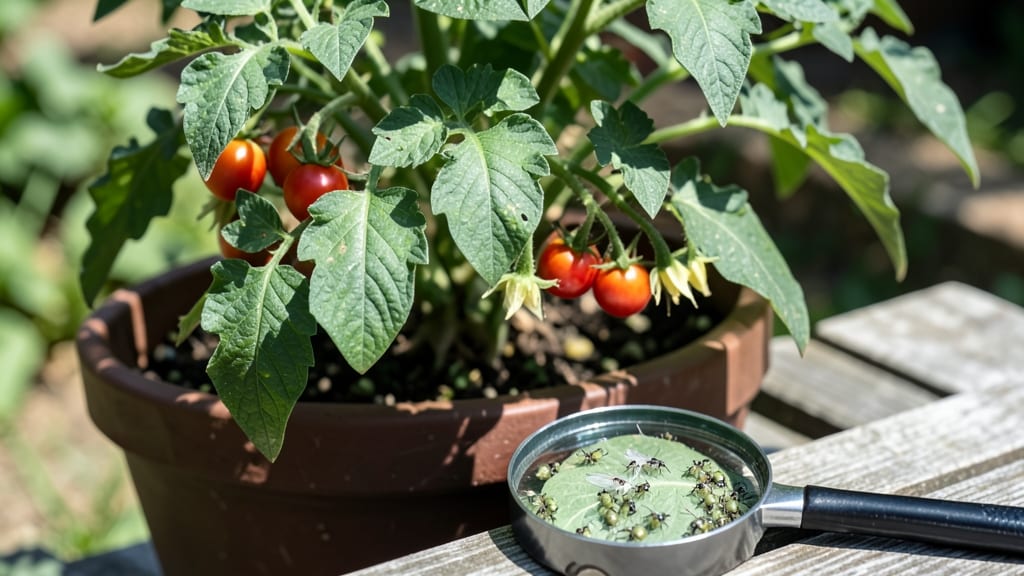
Organic sprays that banish bugs naturally are the secret weapon in my garden plant pests-free garden. 🌿 After years of battling aphids on roses and spider mites on tomatoes, I finally cracked the code—no harsh chemicals, just targeted sprays that work within days.
The key lies in understanding which pests strike which plants and how to disrupt their life cycles without harming your harvest.
Most garden plant pests thrive when conditions favor them: crowded plants, overwatered soil, or stressed foliage. My go-to sprays—neem oil for sucking insects, garlic spray for fungal issues, and insecticidal soap for soft-bodied bugs—target specific problems while keeping your garden ecosystem balanced.
You’ll see results within 24-48 hours for most infestations, and the best part? These sprays are safe for kids and pets once dry.
Imagine your tomatoes bursting with fruit, your roses blooming without sticky aphid trails, and your veggies growing unmolested. That’s the reality when you swap chemical sprays for organic solutions.
The upfront effort pays off in healthier plants and a garden that actually thrives—no more wilting leaves or chewed-up greens by harvest time.
Whether you’re dealing with slugs in your lettuce or mites on your peppers, these methods adapt to any garden size or pest problem. Let’s get those bugs banished for good—naturally.
Root Causes of Plant Problems
Understanding why pests invade your garden is half the battle in keeping your plants thriving. These tiny troublemakers don’t just appear out of nowhere—they’re drawn by specific conditions that make your garden look like an all-you-can-eat buffet.
Let’s break down the science behind their behavior and what’s really inviting them to the party.
Pests thrive when plants are stressed, and one of the biggest stressors? Overcrowding. When plants compete for sunlight, water, and nutrients, their natural defenses weaken. Weakened plants are easier targets for insects like aphids, spider mites, and whiteflies, which feed on sap and tender new growth.
- Why it happens: Dense foliage traps moisture, creating a humid microclimate that pests love.
Poor air circulation also slows down the drying process, giving fungi and bacteria a chance to tag along with the pests. - Actionable fix: Space plants according to their mature size (check seed packets or plant tags) and prune regularly to improve airflow.
Healthy, well-spaced plants are far less appealing to pests.
Healthy soil isn’t just about nutrients—it’s about balance. When soil lacks organic matter, beneficial microbes, or proper drainage, plants become vulnerable. Pests like root maggots, cutworms, and fungus gnats are drawn to soil that’s too wet, compacted, or nutrient-deficient.
- Why it happens: Compaction reduces oxygen in the soil, stressing roots. Overwatering or poorly draining soil creates anaerobic conditions, which attract pests that thrive in damp environments.
Meanwhile, nutrient deficiencies (like low nitrogen or phosphorus) weaken plants, making them easier prey. - Actionable fix: Amend your soil with compost or aged manure to improve structure and microbial activity. Use mulch to retain moisture without waterlogging and avoid heavy foot traffic on garden beds.
Both overwatering and underwatering can trigger pest outbreaks. While it might seem counterintuitive, pests like scale insects, mealybugs, and thrips are often attracted to plants that are struggling to regulate their moisture levels.
- Why it happens: - Overwatering: Excess moisture attracts soft-bodied insects (e.g., slugs, snails, and fungus gnats) and promotes fungal diseases that pests spread. - Underwatering: Drought-stressed plants produce more sugary sap, which attracts aphids and whiteflies.
Additionally, dry soil can disrupt the balance of beneficial predators (like ladybugs), leaving plants defenseless. - Actionable fix: Water deeply but infrequently, aiming for 1 inch of water per week (including rainfall). Use drip irrigation or soaker hoses to deliver water directly to the roots and avoid wetting foliage.
Mulch heavily to retain soil moisture and regulate temperature.
Modern gardening often relies on synthetic fertilizers, pesticides, or even well-meaning (but overused) organic amendments. These can disrupt the delicate balance of your garden ecosystem, making plants more susceptible to pests.
- Why it happens: - Over-fertilization: Excess nitrogen promotes lush, soft growth that’s attractive to sap-sucking insects like aphids. Too much phosphorus can weaken plant defenses. - Pesticide overuse: Broad-spectrum pesticides kill beneficial insects (like lacewings, parasitic wasps, and predatory mites) that naturally control pest populations.
Without these allies, pest numbers surge unchecked. - Soil pH imbalances: Extreme pH levels (too acidic or alkaline) can stress plants, making them more vulnerable to pests.
For example, Japanese beetles prefer stressed turfgrass with high nitrogen levels. - Actionable fix: Opt for slow-release, organic fertilizers like compost tea or worm castings. Rotate crops annually to prevent nutrient depletion and test your soil pH every 2–3 years.
If pests strike after pesticide use, introduce beneficial insects (e.g., ladybugs, nematodes) to restore balance.
Pests are highly sensitive to weather patterns. Sudden changes in temperature, humidity, or rainfall can disrupt the natural lifecycle of plants and their predators, creating perfect conditions for infestations.
- Why it happens: - Unseasonable warmth: Early springs or late falls can fool pests into emerging earlier than usual, giving them a head start on feeding before natural predators (like birds or ground beetles) are active. - Drought followed by rain: Dry conditions weaken plants, and sudden heavy rain can wash away natural predators, leaving pests unchecked.
Fungal pests (e.g., powdery mildew) also thrive in humid conditions after drought. - Monoculture planting: Large patches of the same plant (e.g., a vegetable garden with only tomatoes) create ideal breeding grounds for pests that specialize in that plant, like tomato hornworms or colorado potato beetles. - Actionable fix: Plant diverse species to confuse pests and attract a wider range of beneficial insects.
Use row covers in early spring to protect young plants from early-emerging pests. Monitor weather forecasts and adjust watering schedules to avoid sudden stress.
Sometimes, the biggest pest magnet is us! Poor gardening practices or unintentional introductions can turn a peaceful garden into a pest paradise.
- Why it happens: - Contaminated tools or soil: Moving soil from infested areas (e.g., wild patches or old garden beds) can introduce grubs, nematodes, or weed seeds. - Bringing home infected plants: New plants from nurseries or garden swaps may harbor hidden pests like spider mites, scale, or borers. - Improper waste disposal: Leaving fallen fruit, vegetable scraps, or plant debris attracts fruit flies, slugs, and rodents, which can then spread to other plants. - Actionable fix: Sanitize tools with rubbing alcohol or a bleach solution between uses.
Inspect new plants for pests before bringing them home (shake them over a white sheet or rinse them in soapy water). Remove debris promptly and compost it away from your garden beds.
A healthy garden isn’t just about plants—it’s about the web of life that keeps pests in check. When this ecosystem is disrupted, pests multiply unchecked.
- Why it happens: - Habitat loss: Removing wildflowers, grasses, or "weedy" plants eliminates food and shelter for beneficial insects like ladybugs, hoverflies, and parasitic wasps. - Pesticide use: Even "safe" pesticides can harm pollinators and predators.
For example, neonicotinoids (common in some organic sprays) are toxic to bees and other beneficial insects. - Monocultures: Large areas of a single plant type offer no diversity for predators to thrive. - Actionable fix: Plant native wildflowers and herbs (like dill, fennel, or yarrow) to attract pollinators and predators.
Avoid pesticides altogether, and embrace companion planting to create a resilient ecosystem. For example, marigolds repel nematodes, while basil deters thrips and attracts hoverflies.
Pests don’t target your garden randomly—they’re responding to stress signals from your plants and the conditions you’ve created. By addressing these root causes, you’re not just treating symptoms; you’re making your garden a less appealing (and more sustainable) place for pests to call home.
The good news? Most of these fixes are simple, organic, and effective—no harsh chemicals required!
Natural Fixes for Common Plant Invaders
When pests crash your garden party, don’t reach for harsh chemicals—try these targeted, organic solutions that work fast and keep your plants thriving. Below, we map the most common culprits to their fixes, plus preventive tips to stop them before they start.
Signs: Sticky residue (honeydew), curled leaves, or clusters of small green/black bugs on new growth.
How to Fix It:
- Blast Them Away 💦
- Spray aphids directly with a strong stream of water (early morning works best). Repeat every 2–3 days until gone.
- Pro tip: Use a soapy water spray (1 tsp mild dish soap + 1 quart water) for stubborn infestations.
- Attract Predators 🐞
- Ladybugs, lacewings, and parasitic wasps love aphids. Plant dill, fennel, or marigolds nearby to lure them in.
- Neem Oil Rescue 🌿
- Mix 1 tbsp neem oil + 1 tsp mild soap + 1 quart water, shake well, and spray undersides of leaves (where aphids hide).
Prevent Them:
- Inspect new plants before bringing them home.
- Remove infected leaves immediately to stop spread.
- Encourage beneficial insects year-round with diverse plantings.
Signs: Irregular holes in leaves, silvery slime trails, or missing seedlings overnight.
How to Fix It:
- Beer Trap Barrier 🍺
- Bury a shallow dish filled with beer (or yeast + sugar water) near plants. Slugs crawl in and drown—no harm to plants!
- Copper Collars ⚡
- Wrap copper tape around pots or raised beds. The slight electric charge repels slugs naturally.
- Diatomaceous Earth (DE) Dust 🌊
- Sprinkle food-grade DE around plants (avoid windy days). It dehydrates slugs but is safe for soil.
Prevent Them:
- Water in the morning (slugs hide in damp soil at night).
- Remove hiding spots like boards, rocks, or thick mulch.
- Plant slug-resistant crops like rosemary, thyme, or geraniums.
Signs: Tiny white moths fluttering when you shake plants; yellowing leaves and sticky residue.
How to Fix It:
- Yellow Sticky Traps 🎯
- Hang yellow cards coated with petroleum jelly near infested plants. Whiteflies get stuck—remove daily!
- Neem Oil Spray 🌿 (Again!)
- Spray neem oil + water + soap on both sides of leaves every 5–7 days. Disrupts their life cycle.
- Reflective Mulch 🔆
- Cover soil with aluminum foil or silver plastic mulch. The glare confuses whiteflies and deters them.
Prevent Them:
- Isolate new plants for 2 weeks before adding to the garden.
- Encourage parasitic wasps (their natural predators) with dill or parsley.
- Avoid over-fertilizing—whiteflies love soft, new growth.
Signs: Fine webbing on leaves, stippled or yellowing foliage, and a dusty appearance (like flour).
How to Fix It:
- Water Blast Attack 💦
- Spray plants thoroughly with water to knock off mites and webs. Do this every 2–3 days.
- Horticultural Oil 🛡️
- Use dormant oil or neem oil (1 tbsp oil + 1 tsp soap per quart water). Spray evenly—mites suffocate.
- Predatory Mites Release 🕷️
- Buy Phytoseiulus persimilis (beneficial mites) from garden centers. They hunt spider mites 24/7.
Prevent Them:
- Keep plants well-watered (mites thrive in dry conditions).
- Prune for airflow—crowded plants trap humidity.
- Use row covers to block mites from infesting new plants.
- Rotate crops yearly to disrupt pest life cycles.
- Interplant flowers (like basil with tomatoes) to confuse pests.
- Mulch properly—3 inches of organic mulch deters many soil-dwelling bugs.
- Inspect plants weekly—catch problems small before they spread!
Remember: Patience is key! Some fixes take 1–2 weeks to fully work. Stick with it, and your garden will bounce back—naturally! 🌱✨
Frequently asked questions about garden bug control
How do I know if my plants have pests before visible damage appears?
Check the undersides of leaves for tiny eggs, webbing, or sticky residue (honeydew). Look for chewed edges, yellowing spots, or wilting—these often signal hidden pests like aphids, spider mites, or thrips. Early signs include slow growth or unusual plant behavior, like flowers dropping prematurely.
Are organic sprays safe for edible plants like tomatoes and herbs?
Yes, when used correctly! Sprays like neem oil, insecticidal soap, or garlic-based solutions are safe for edible plants once dry. Always follow label instructions—some require rinsing before harvest. Avoid spraying during blooming (to protect pollinators) and apply in the early morning for best results.
What’s the fastest way to stop slugs from destroying seedlings overnight?
Use a copper tape barrier around pots or beds—it creates a mild electric shock slugs avoid. For immediate relief, set out shallow dishes of beer or yeast water (they drown inside). Remove mulch near seedlings to eliminate hiding spots, and water in the morning to dry soil faster.
Can I reuse leftover organic pest sprays?
Store homemade sprays (like neem oil or soapy water) in a dark glass bottle for up to 1 week in the fridge. Shake well before use—oils separate over time. Discard if mold appears or the solution smells off. Never reuse sprays with added soap if they’ve dried out or lost effectiveness.
Why do some organic methods work for one pest but not another?
Different pests have unique vulnerabilities. For example, neem oil smothers soft-bodied bugs (aphids, mites) but won’t kill hard-shelled beetles. Slugs hate copper barriers, while whiteflies respond to reflective mulch. Match the solution to the pest’s behavior—like using sticky traps for flying insects or beer traps for ground-dwellers.