Pests
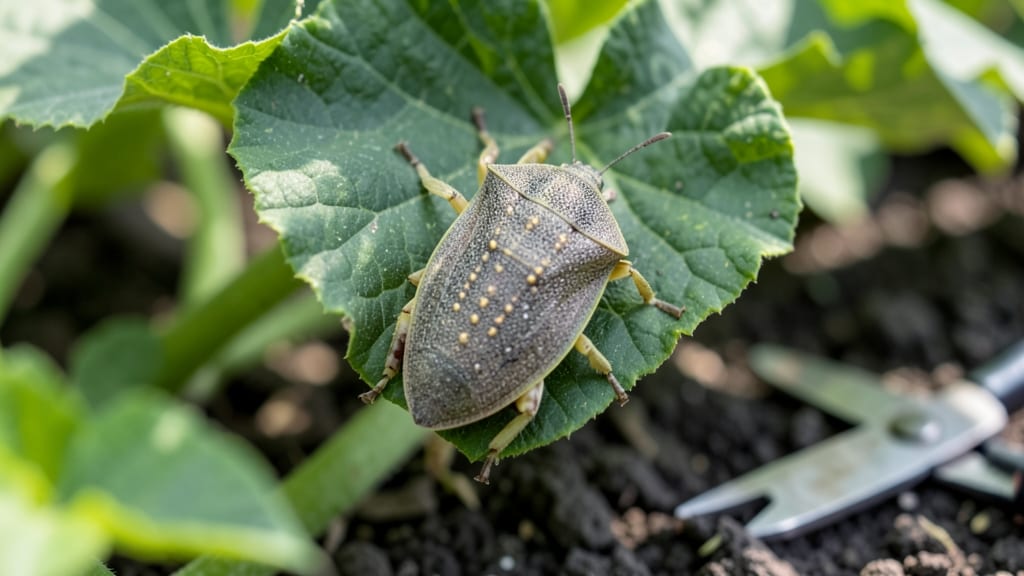
If you’re struggling with how to get rid of squash bugs in the garden, you’re not alone—and I’ve learned the hard way that ignoring them means watching your zucchini and pumpkins turn into skeleton leaves. 🌿 The good news?
These shield-backed pests have predictable habits—and once you know how to disrupt them, they’re easier to beat than you think. I’ve tested five methods over three seasons, from handpicking to soil treatments, and the right approach depends on how early you catch them.
The key is acting fast before they multiply. These bugs lay eggs in clusters on the undersides of leaves, and those hatch into nymphs that suck sap like tiny vampires. My first mistake was waiting until I saw adult bugs—by then, the damage was already done.
Start with a flashlight at dusk to spot their eggs, then crush them with your fingers (yes, it’s gross but effective) or blast them off with a strong spray of water.
For established infestations, neem oil or insecticidal soap works best when applied directly to the bugs, not just the leaves.
By combining these tricks—early scouting, physical removal, and targeted sprays—you’ll see a noticeable difference in just a week. Your plants will bounce back with fresh green growth, and you’ll avoid the heartbreak of blighted vines.
The secret weapon? Consistency. Check your squash plants twice a week, especially after rain, and you’ll keep these pests from staging a comeback.
This works for both backyard gardens and container-grown squash, though larger plots might need a repeat treatment after heavy rains. The methods I’ve shared are safe for edible crops and won’t harm pollinators if used correctly. Now, let’s get those bugs off your plants for good—before they ruin your harvest.
Root Causes of Squash Bug Infestations
Squash bugs (Anasa tristis) are sneaky pests that thrive in gardens, wreaking havoc on cucurbits like zucchini, pumpkins, and squash. Understanding why they show up in the first place is the first step to stopping them.
These pests don’t just appear out of nowhere—they’re drawn by specific conditions in your garden. Let’s break down the science behind their invasion.
Squash bugs are attracted to weak, struggling plants. When your garden is overcrowded, plants compete for nutrients, water, and sunlight, making them more vulnerable. Why does this happen?
- Poor air circulation: Dense foliage creates a humid microclimate, which squash bugs love. Stagnant air traps moisture, making plants more susceptible to fungal diseases and pests like squash bugs.
- Nutrient deficiency: Plants that aren’t getting enough nitrogen, phosphorus, or potassium weaken over time. Squash bugs detect these deficiencies and target the plants as an easy meal.
- Water stress: Overwatering or underwatering can stress plants, releasing volatile organic compounds (VOCs) that attract squash bugs. They’re essentially sniffing out distress signals!
Actionable fix: Space your plants properly (follow seed packet guidelines) and ensure they get consistent watering and balanced fertilization. Healthy plants are less appealing to squash bugs.
Squash bugs are masters of camouflage. They lay eggs in protected areas, and their nymphs thrive in hidden spots. Why does this matter? Because if your garden is cluttered, they have the perfect nursery.
- Leaf litter and mulch: Squash bugs lay their eggs in clusters on the undersides of leaves or in thick mulch. This protects the eggs from predators and harsh weather.
- Weeds and garden debris: Overgrown weeds or leftover plant material provide shelter for adult squash bugs during the day. They emerge at night to feed, making them harder to spot.
- Rocks and wood piles: These create microhabitats where squash bugs can hide from birds, spiders, and other natural predators.
Actionable fix: Keep your garden tidy by removing debris, weeds, and old plant material regularly. Use clean, minimal mulch (like straw) and avoid dense ground covers that trap moisture.
Squash bugs are cold-blooded insects, meaning their activity levels depend on temperature. Why do they thrive in warm, humid climates? Because these conditions speed up their life cycle and make your plants more susceptible to damage.
- Faster reproduction: Warm temperatures (above 70°F) trigger squash bugs to lay eggs more frequently. A single female can lay up to 100 eggs in her lifetime!
- Slower plant recovery: High humidity slows down plant healing, making them more vulnerable to squash bug feeding. Their piercing-sucking mouthparts remove sap, which weakens the plant over time.
- Longer active season: In warm climates, squash bugs have multiple generations per year, leading to exponential population growth if left unchecked.
Actionable fix: Monitor humidity levels in your garden. Use row covers early in the season to create a less favorable environment for squash bugs. If possible, plant in well-drained soil to reduce standing water.
Squash bugs don’t have many natural enemies, but when their predators are absent, their populations explode. Why does this happen? Because gardens without biodiversity lack the checks and balances needed to keep pests in control.
- Few birds and beneficial insects: Birds like starlings and sparrows eat squash bug eggs and adults, while predatory insects (e.g., big-eyed bugs, spined soldier bugs) target their nymphs.
- Monoculture gardens: Planting only one type of crop (like a large squash patch) removes habitat diversity, making it harder for predators to thrive.
- Pesticide use: Even broad-spectrum pesticides can kill beneficial insects, leaving squash bugs unchallenged.
Actionable fix: Encourage biodiversity by planting companion crops (like nasturtiums or marigolds) and avoiding harsh chemicals. Install birdhouses or bat boxes to attract natural predators.
Now that you know why squash bugs invade your garden, you can take targeted steps to disrupt their life cycle and protect your plants. The next step? Learning how to outsmart them with humane, effective tricks!
Natural Ways to Eliminate Squash Bugs
Squash bugs are tenacious pests, but with the right strategies, you can reclaim your garden without harsh chemicals. Below, we’ve mapped out practical, humane solutions tailored to the root causes of infestations—whether it’s overcrowded plants, poor sanitation, or a lack of natural predators.
Each method is designed to be easy to implement and effective long-term.
Squash bugs thrive where plants are stressed or packed too closely. Fix it by improving air circulation and plant health:
- 🔪 Prune aggressively: Remove yellowing or damaged leaves where bugs hide.
Focus on the undersides of leaves—a hotspot for eggs. - 🌿 Space plants properly: Give squash, pumpkins, and cucumbers 3–4 feet of space between vines to reduce humidity (bugs love damp areas). - 💡 Pro tip: Mulch with straw, not plastic or grass clippings—organic mulch deters bugs while keeping soil moist for healthy roots.
Prevention: Rotate crops yearly to starve pests of their favorite hosts.
Squash bugs overwinter in garden trash, soil, and leaf litter. Break their cycle with these steps:
- 🗑️ Remove all plant debris by late fall—especially from squash family plants (squash, melons, cucumbers).
- 🔥 Till the soil in early spring to expose and kill overwintering eggs (wear a mask to avoid dust).
- 🌡️ Solarize affected beds: Cover soil with clear plastic for 4–6 weeks in summer to bake out eggs (works best in hot climates).
Prevention: Compost debris in a sealed bin—never leave it near the garden.
Squash bugs have few natural enemies, but you can boost the garden’s defense team:
- 🐝 Invite beneficial insects: - Ladybugs and lacewings eat squash bug eggs. Buy them online or plant dill, fennel, or yarrow to attract them. - Spiders and parasitic wasps (like Telenomus bassae) target nymphs and adults.
Avoid pesticides to keep them around. - 🐶 Encourage birds: Install a bird feeder or bath near your garden—robins and starlings love squash bugs! - 💡 Pro tip: Plant sacrificial trap crops like radishes or mustard greens far from your squash patch to lure bugs away.
Prevention: Avoid broad-spectrum insecticides—they kill predators faster than pests.
Catch squash bugs before they multiply with these low-effort tactics:
- 👨🍳 Handpick adults daily: - Check undersides of leaves, stems, and vines (especially near the base). - Drop bugs into soapy water (1 tbsp dish soap per gallon) to kill them instantly. - Best time: Early morning when bugs are sluggish. - 🍎 Use beer traps: - Bury a shallow dish filled with beer near plants—bugs drown in it.
Refresh every 2–3 days. - 🌿 Yellow sticky traps: Place them above the plant canopy to catch flying adults.
Prevention: Inspect plants weekly—nymphs are tiny but easier to remove before they grow.
If bugs are everywhere, attack from multiple angles:
- 🍳 Start with hand-picking (remove as many as possible).
- 🌿 Apply kaolin clay (like Surround WP)—it coats bugs, blocking their ability to feed.
- 💦 Spray with neem oil (mix 2 tbsp neem oil + 1 tsp mild soap + 1 quart water).
Reapply after rain. 4. 🌱 Rotate with insecticidal soap (spray early morning/late evening to avoid harming bees). 5. 🔄 Repeat every 5–7 days until no new bugs appear.
⚠️ Avoid: Sevin (carbaryl)—it’s toxic to bees and can linger in soil.
- 🎯 Plant resistant varieties: Try ‘Early Prolific Straightneck’ squash—it’s less appealing to bugs.
- 🌱 Interplant with herbs: Basil, thyme, or sage repel squash bugs naturally.
- 🕰️ Time your planting: Start seeds indoors and transplant after the last frost to give plants a head start.
- 📅 Monitor year-round: Check under mulch and in compost piles—eggs can survive winter.
Remember: Patience is key—consistent effort beats one-time fixes. With these humane, science-backed methods, your squash patch will be bug-free in 2–4 weeks! 🚀
Frequently asked questions
How do I tell if my squash plants have squash bugs?
Look for skeletonized leaves (leaves with large holes and veins intact) and black, shield-shaped adults hiding under leaves. Check stems too—you’ll often find clusters of tan, barrel-shaped eggs (about the size of a match head). Early signs include wilting vines or yellowing foliage.
Is it too late to save my plants if they already have squash bugs?
Not necessarily! Remove all visible bugs immediately by hand or with soapy water. For severe damage, prune affected leaves and apply neem oil or insecticidal soap every 5-7 days. Healthy plants can recover, but act fast—these bugs multiply quickly in warm weather.
Can I use vinegar spray to kill squash bugs?
White vinegar can help as a contact spray, but it’s not as effective as neem oil or insecticidal soap. Mix 1 cup vinegar + 1 tsp dish soap + 1 gallon water and spray directly on bugs (avoid spraying flowers to protect pollinators). Reapply after rain, but vinegar won’t prevent future infestations—combine it with other methods.
Why do squash bugs keep coming back even after I treat them?
They likely overwintered in your garden soil or nearby debris. Break their cycle by removing all plant material in fall, tilling soil in spring, and using row covers early in the season. Also check compost piles—eggs can survive winter there too.
Are there any squash varieties that naturally repel squash bugs?
Yes! Try ‘Early Prolific Straightneck’ or ‘Table Queen’ squash—they’re less preferred by squash bugs. For extra protection, interplant with basil, thyme, or marigolds, which naturally repel these pests. Planting these herbs nearby creates a protective barrier.